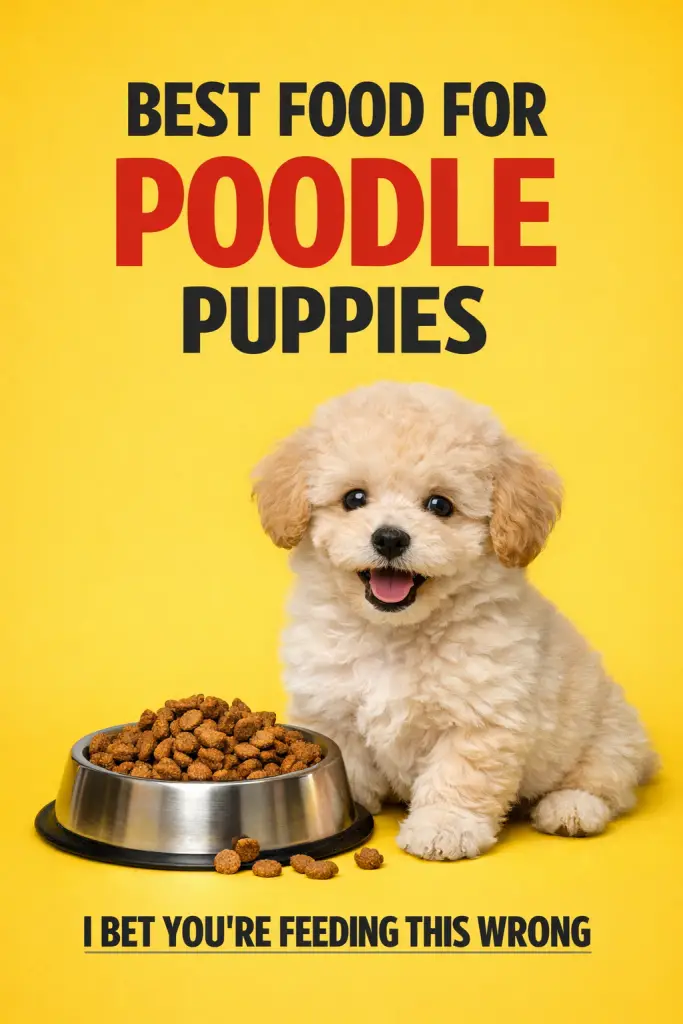
Bringing home a poodle puppy is exciting… and slightly overwhelming, right? One of the very first questions most new poodle parents ask is: “Am I feeding my puppy the right food?” With so many options on pet store shelves and endless opinions online, it’s easy to feel unsure. Trust me, you’re not alone.
I’ve spent years researching puppy nutrition, talking to breeders, vets, and fellow poodle owners, and even making a few feeding mistakes early on (nothing serious, thankfully!). That’s exactly why I wanted to write this guide — to give you clear, practical, no-stress advice on choosing the best food for poodle puppies, without the confusion or guilt.
Let’s break it all down in a simple, friendly way.
Why Poodle Puppies Need Special Nutrition
Poodles may look elegant and delicate, but poodle puppies are actually active, fast-growing, and surprisingly energetic. Their nutrition during the first year plays a huge role in how healthy they’ll be as adults.
During puppyhood, poodles need food that supports:
- Healthy brain development
- Strong bones and joints
- Muscle growth
- Digestive health
- A shiny, curly coat
Because poodles come in Toy, Miniature, and Standard sizes, their nutritional needs can vary slightly — but the foundation remains the same: high-quality puppy food made for growth.
Understanding Poodle Puppy Nutritional Needs
Before choosing a brand, it helps to know what you’re actually looking for on the label.
Protein: The Building Block
Protein supports muscle, tissue, and overall growth.
Look for:
- Real animal protein as the first ingredient (chicken, lamb, salmon, turkey)
- At least 22–30% protein for puppies
IMO, if the first ingredient isn’t a named meat, it’s usually not the best choice.
Healthy Fats for Brain Development
Poodle puppies benefit greatly from fats, especially DHA, which supports brain and eye development.
Key fat sources include:
- Fish oil
- Salmon
- Chicken fat
- Flaxseed
Carbohydrates (The Right Kind)
Carbs aren’t bad — low-quality carbs are. Puppies need energy, but it should come from digestible sources.
Good carb options:
- Brown rice
- Oatmeal
- Sweet potatoes
- Barley
Vitamins & Minerals
Calcium and phosphorus are critical for bone development, especially in Standard Poodles.
Balanced puppy food already includes this, so avoid adding supplements unless your vet suggests it.
Dry Food vs Wet Food for Poodle Puppies
One of the most common questions I hear is: “Should I feed dry or wet food?” The answer depends on your puppy and lifestyle.
Dry Food (Kibble)
Pros:
- Helps clean teeth
- Easy to store
- Cost-effective
- Balanced nutrition
Cons:
- Some puppies find it less appealing
- Needs proper hydration
Wet Food
Pros:
- Very palatable
- Easier to chew
- Higher moisture content
Cons:
- More expensive
- Can contribute to dental issues if used alone
Best approach? Many poodle owners use high-quality dry food and occasionally mix in wet food for variety.
Best Commercial Puppy Food Brands for Poodles
Not all puppy foods are created equal. Below are trusted, vet-approved options that work well for poodle puppies.
1. Royal Canin Poodle Puppy
This is one of the few foods specifically designed for poodles.
Why it works:
- Tailored kibble shape for poodle jaws
- Supports coat health
- Balanced for toy and miniature sizes
2. Hill’s Science Diet Puppy
A solid choice backed by science and research.
Key benefits:
- Easy digestion
- DHA from fish oil
- Reliable quality control
3. Blue Buffalo Puppy (Life Protection Formula)
Popular among puppy owners who prefer natural ingredients.
Highlights:
- Real meat first
- No artificial preservatives
- Added antioxidants
4. Wellness Complete Health Puppy
Great for sensitive stomachs.
Why poodle owners love it:
- High-quality protein
- Gentle on digestion
- Balanced calcium levels
5. Orijen Puppy
A premium, biologically appropriate option.
Best for:
- Highly active puppies
- Owners comfortable with higher protein levels
FYI, this brand is rich and may not suit puppies with sensitive stomachs.
Best Food for Toy, Miniature, and Standard Poodle Puppies
Size matters when it comes to feeding.
Toy Poodle Puppies
- Need small kibble
- Higher calorie density
- Frequent meals
Look for formulas labeled “small breed puppy.”
Miniature Poodle Puppies
- Moderate calorie needs
- Balanced protein and fat
- Avoid overfeeding
Standard Poodle Puppies
- Slower, controlled growth
- Proper calcium balance is crucial
- Avoid oversized portions
Large-breed puppy formulas can sometimes work well for Standards.
Homemade Food for Poodle Puppies: Is It Safe?
Some owners prefer cooking for their puppies, and yes — it can work if done correctly.
Pros of Homemade Puppy Food
- Full control over ingredients
- Great for allergies
- Highly palatable
Cons to Consider
- Risk of nutritional imbalance
- Time-consuming
- Requires vet guidance
Safe Homemade Ingredients
- Lean meats (chicken, turkey, beef)
- Cooked rice or sweet potatoes
- Steamed vegetables (carrots, spinach)
Always consult a vet or canine nutritionist before committing to homemade meals.
Raw Diet for Poodle Puppies: Yay or Nay?
Raw feeding is controversial — and for good reason.
Potential Benefits
- Shiny coat
- Smaller stools
- High palatability
Risks
- Bacterial contamination
- Nutrient imbalance
- Not ideal for growing puppies
Most vets recommend waiting until adulthood before considering raw feeding.
How Often Should You Feed a Poodle Puppy?
Feeding schedules matter just as much as food quality.
Feeding Frequency by Age
- 8–12 weeks: 4 meals per day
- 3–6 months: 3 meals per day
- 6–12 months: 2 meals per day
Keeping meals consistent helps prevent digestive upset and hypoglycemia (especially in Toy Poodles).
Portion Control: How Much Should a Poodle Puppy Eat?
Overfeeding is a common issue, especially with those adorable begging eyes.
Portion Tips
- Follow the feeding guide on the package
- Adjust based on activity level
- Monitor body condition, not just weight
You should be able to feel the ribs but not see them.
Common Feeding Mistakes to Avoid
Even well-meaning owners make mistakes.
Avoid these pitfalls:
- Switching foods too quickly
- Feeding adult dog food too early
- Too many treats
- Adding supplements without guidance
Slow transitions over 7–10 days are key.
Signs Your Poodle Puppy Is Thriving on Their Food
Wondering if you made the right choice? Look for these signs:
- Bright eyes
- Soft, curly coat
- Steady growth
- Healthy stools
- High energy (but not hyper)
If something feels off, trust your instincts and consult your vet.
When to Switch from Puppy Food to Adult Food
Most poodles transition between 10–12 months, though Standards may take longer.
Signs they’re ready include:
- Slower growth
- Stable weight
- Vet recommendation
Never rush this step — puppy food supports development longer than you think.
Final Thoughts: Choosing the Best Food for Your Poodle Puppy
Finding the best food for poodle puppies doesn’t require perfection — it requires thoughtful choices and consistency. Focus on quality ingredients, age-appropriate formulas, and how your puppy responds.
Every poodle is unique. What works beautifully for one may not be ideal for another, and that’s okay. Stay observant, stay informed, and don’t be afraid to ask your vet for guidance.
You’re doing something incredibly important by caring about your puppy’s nutrition. With the right food, plenty of love, and a little patience, your poodle puppy will grow into a healthy, happy companion — and honestly, that’s what it’s all about.