A coloring page outline of a cartoon cute little puppy dog offers a simple and enjoyable way to relax while exploring creativity. The clean lines and soft features make it easy for anyone to bring the playful pup to life with color and personality. Coloring a cartoon puppy outline helps people slow down and focus while expressing creativity in a fun, gentle way.
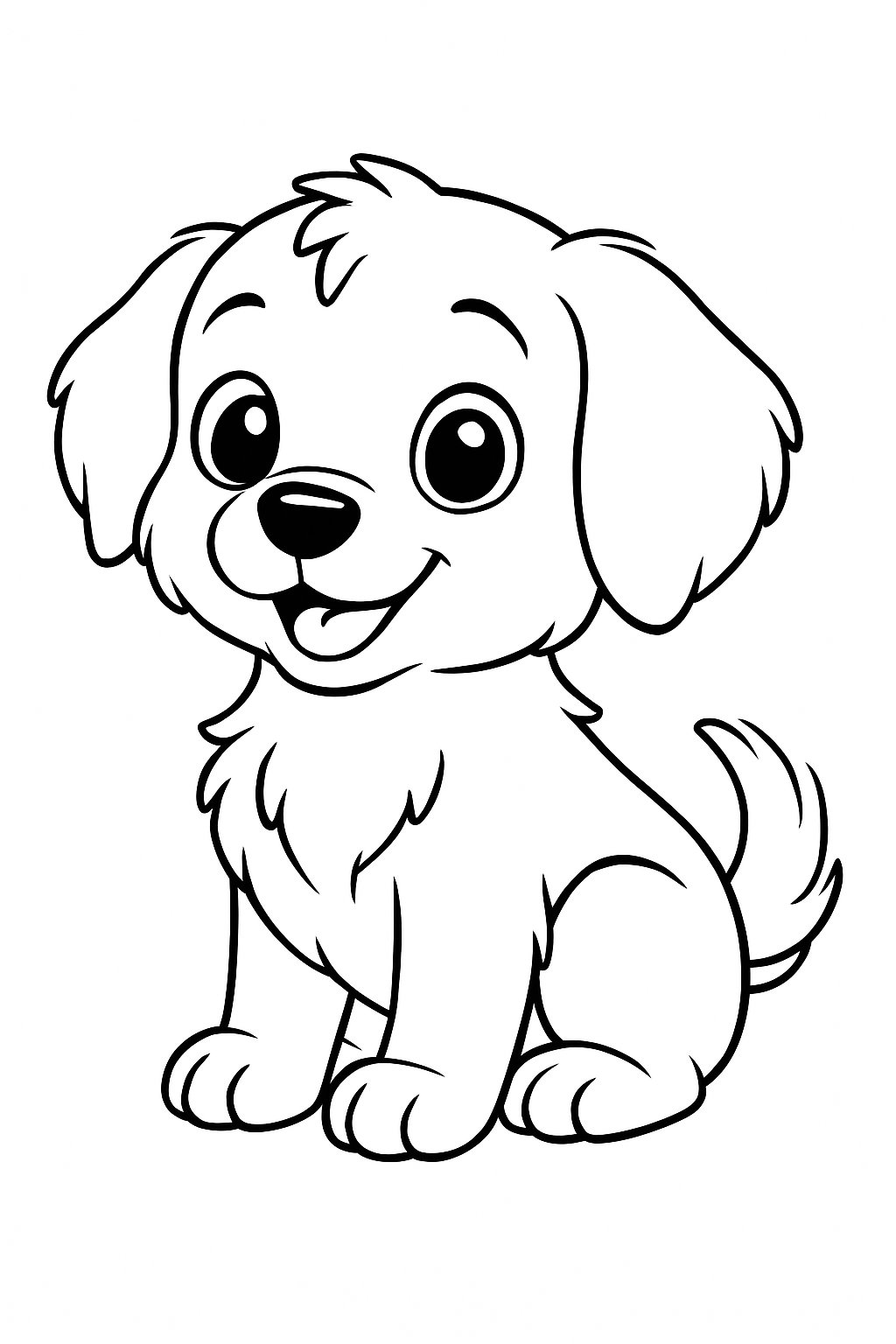
Each page starts as a blank outline and turns into something unique with every shade added. From big eyes to floppy ears and wagging tails, each design captures the charm that makes puppies so loved. It invites both kids and adults to enjoy a calm and rewarding activity that brightens any day.
1) Simple Cartoon Puppy Outline with Big Eyes
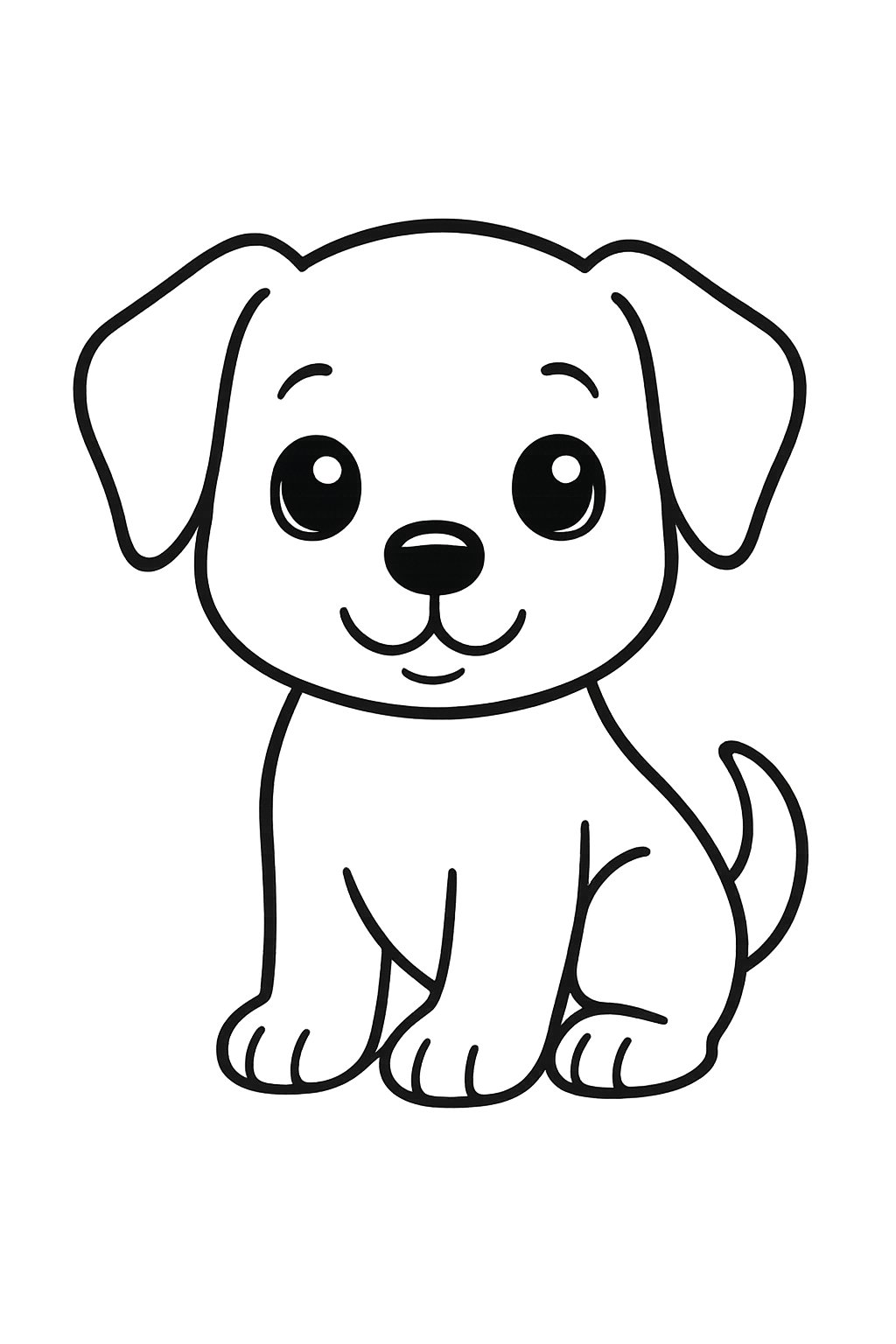
This coloring page shows a small cartoon puppy with large, round eyes that give it a friendly look. The outline stays simple, so children can color it easily with crayons or markers.
The floppy ears and short tail make the puppy appear gentle and playful. It often includes a collar or tag to add a small detail without making the design too complex.
These easy outlines help young artists focus on color choices and staying within lines while enjoying a cheerful drawing of a cute puppy.
2) Puppy Sitting with Floppy Ears Coloring Page
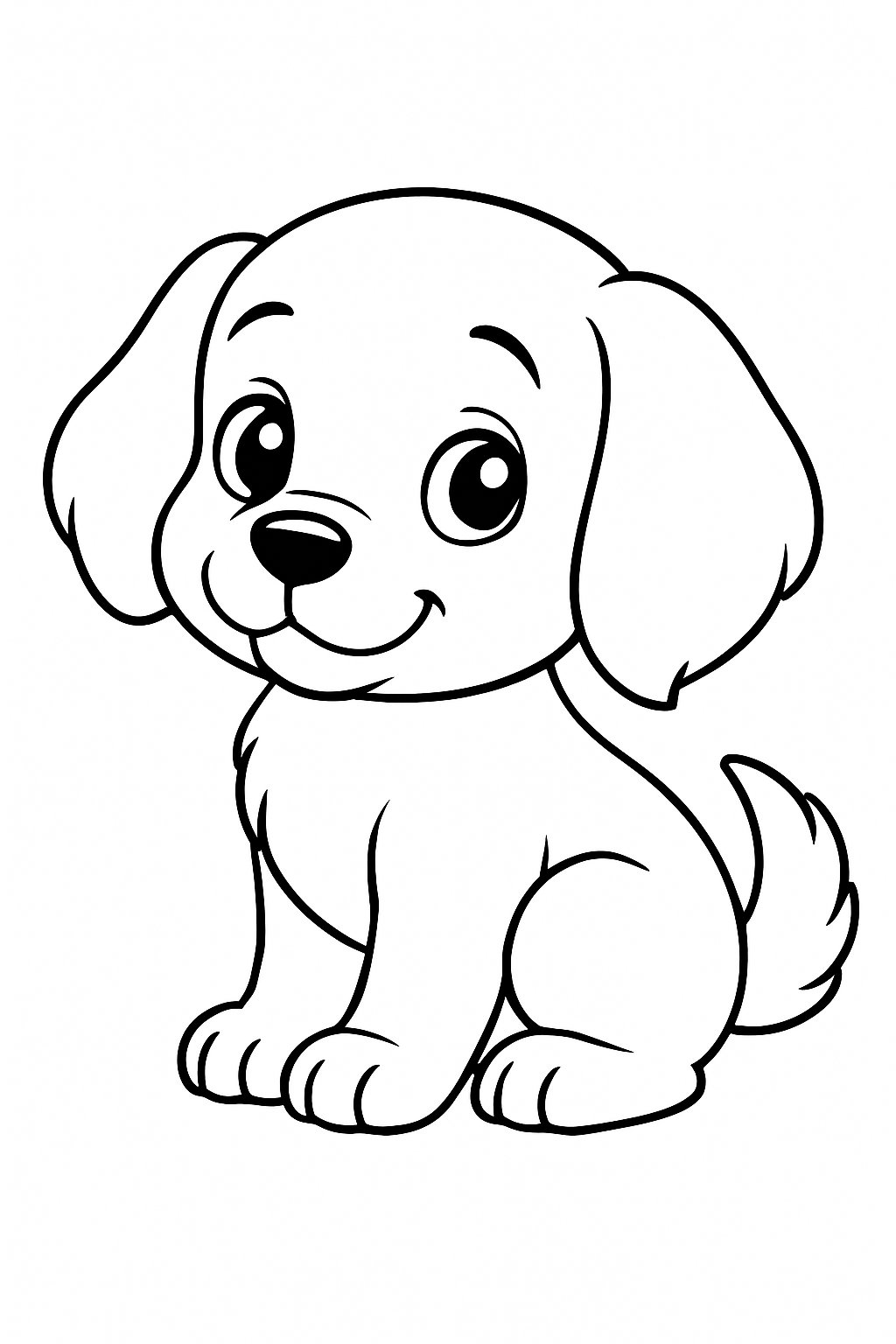
This coloring page shows a small puppy sitting upright with floppy ears and a calm expression. The design uses clear, bold lines to help children stay within the shapes while coloring.
The puppy’s posture is simple, making it easy for young artists to focus on the details like the ears, tail, and paws. It can be printed on plain paper or light cardstock for better durability.
Kids can color it with crayons, markers, or pencils to create their own version of a friendly, loyal puppy.
3) Cute Puppy with Heart-Shaped Collar Tag
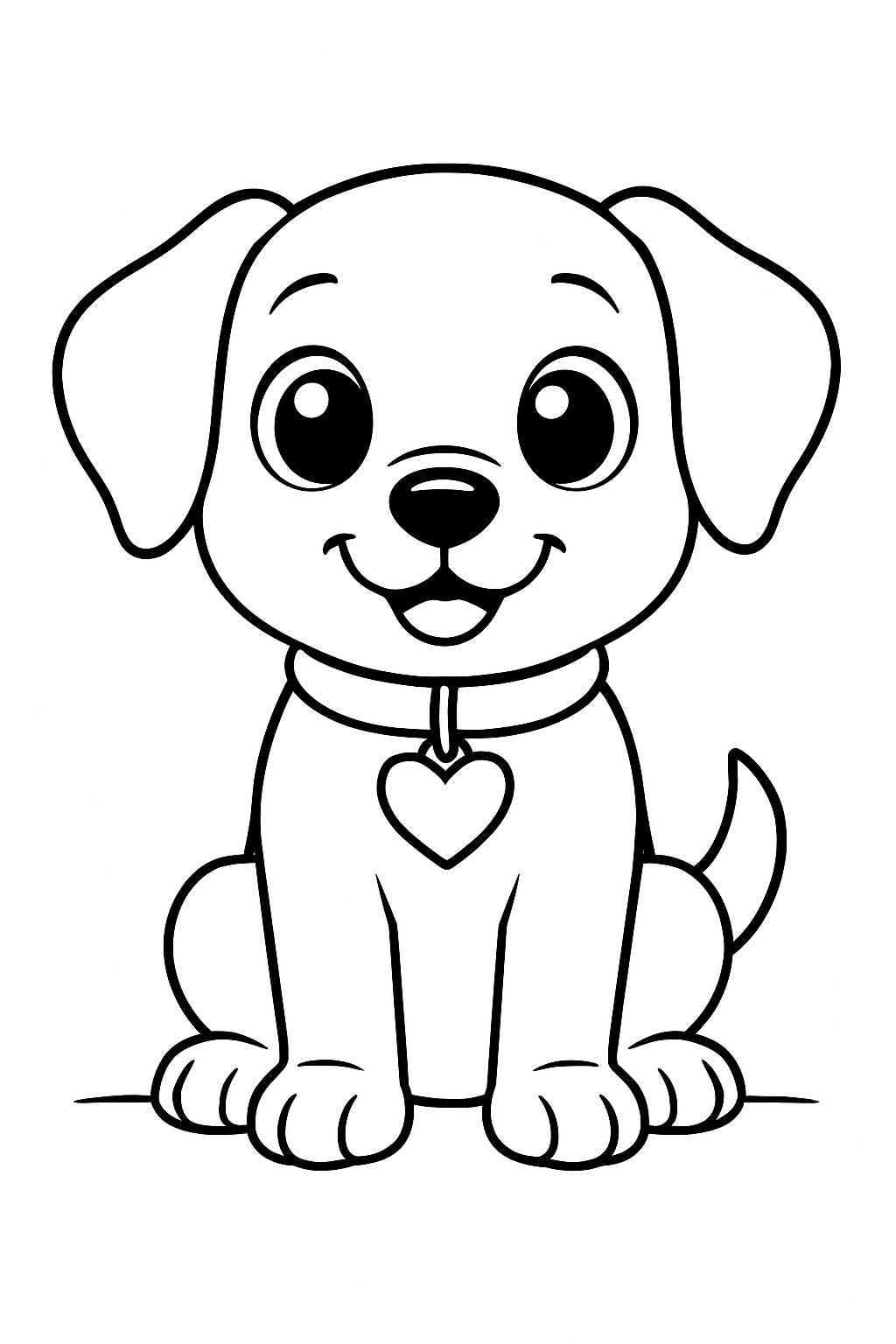
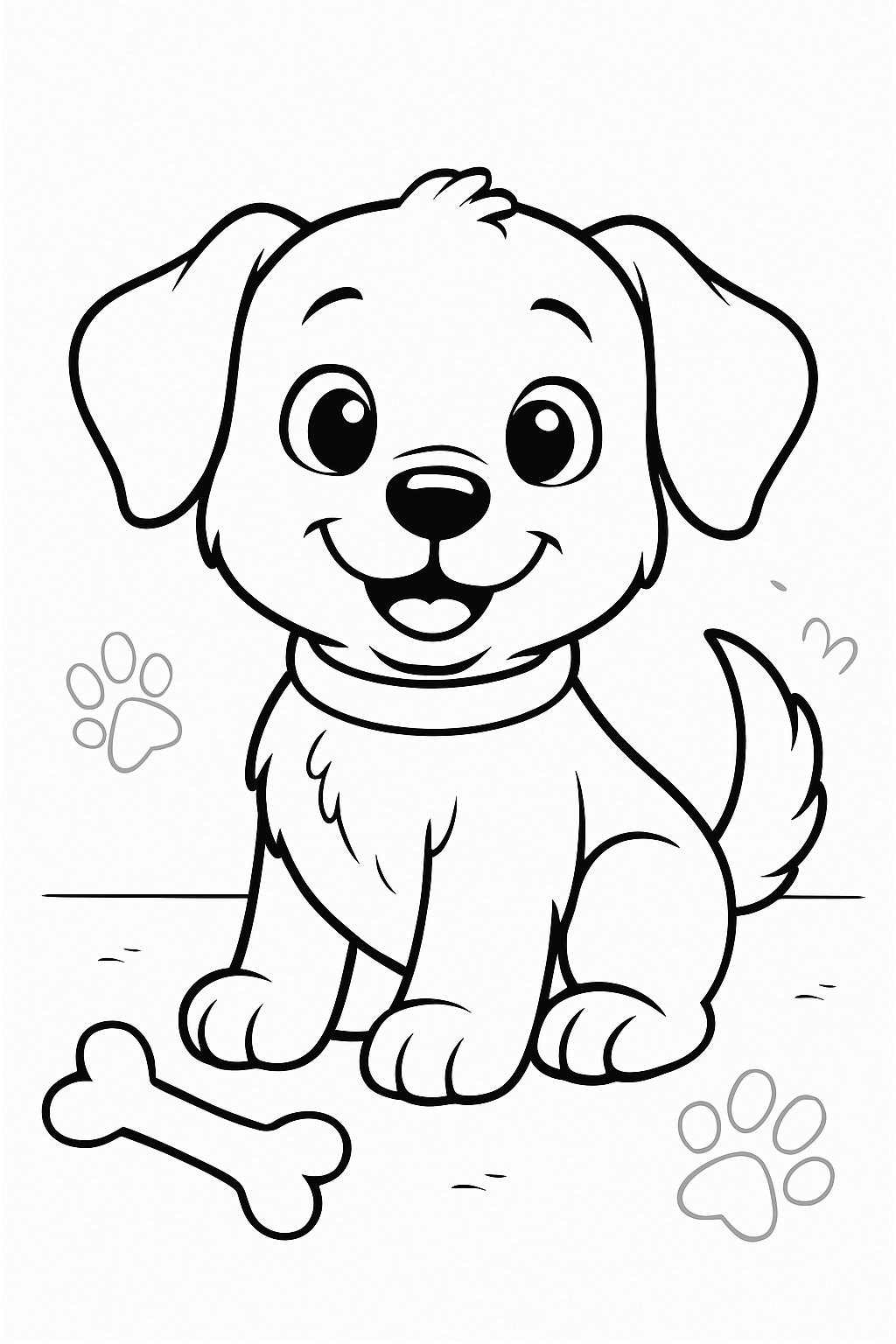
This illustration shows a small cartoon puppy sitting upright with a friendly look. Its round eyes and soft ears give it a gentle, welcoming expression.
The puppy wears a simple collar with a heart-shaped tag at the center. This small detail adds warmth and personality without making the design too busy.
Clean outlines and smooth curves make the page easy to color. Children can practice coloring inside clearly defined spaces, while adults can enjoy adding light shading for depth.
4) Playful Puppy in a Sitting Pose
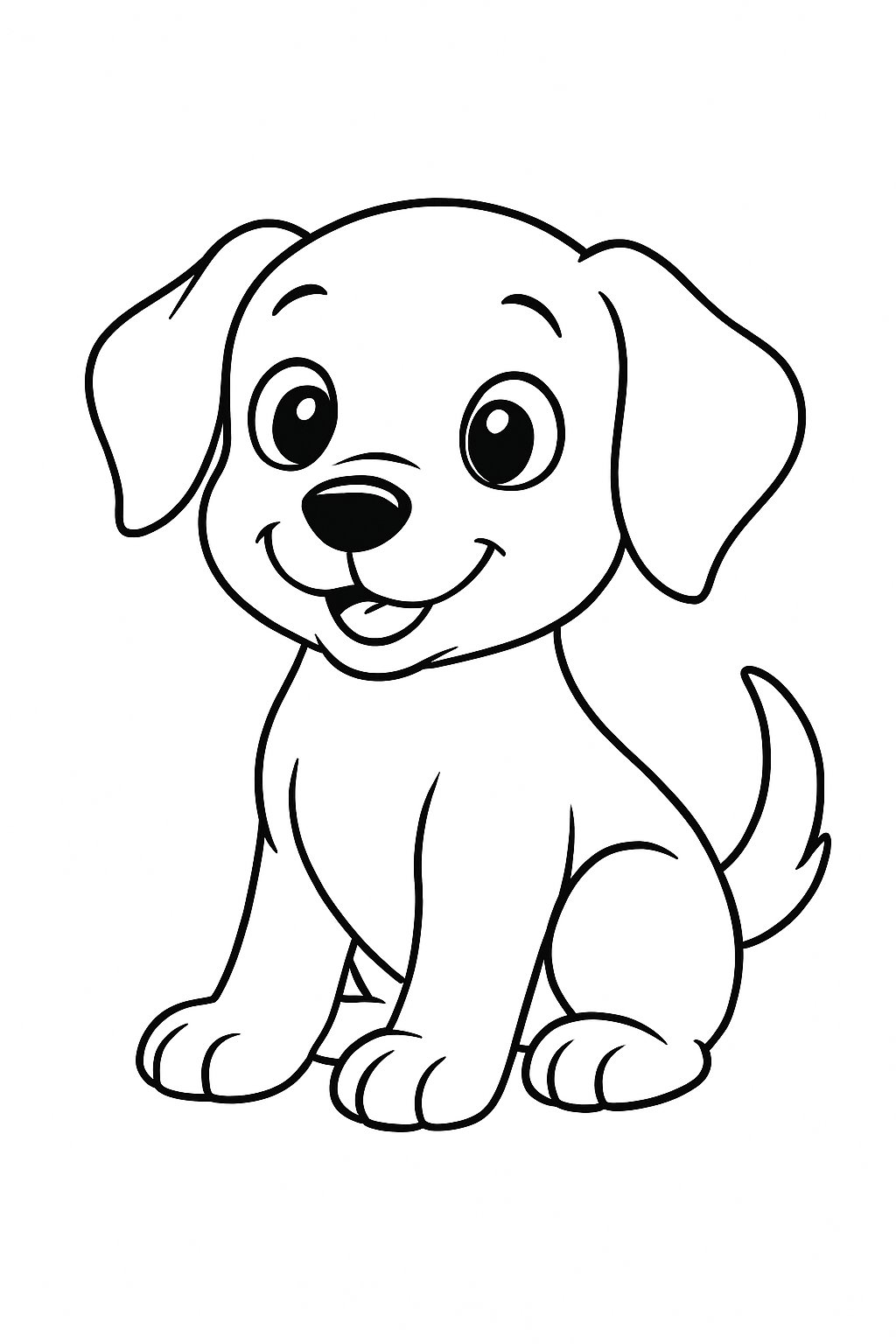
This coloring page shows a small cartoon puppy sitting upright with floppy ears and a slight tilt of the head. Its round eyes and gentle smile give it a friendly, relaxed look.
The simple outline and smooth lines make it easy for children to color. The pose captures a calm yet playful moment, showing the puppy’s curious nature.
With a blank background, the focus stays on the puppy itself, allowing space for creative details like grass, a toy, or a patterned collar.
5) Smiling Puppy with Rounded Features
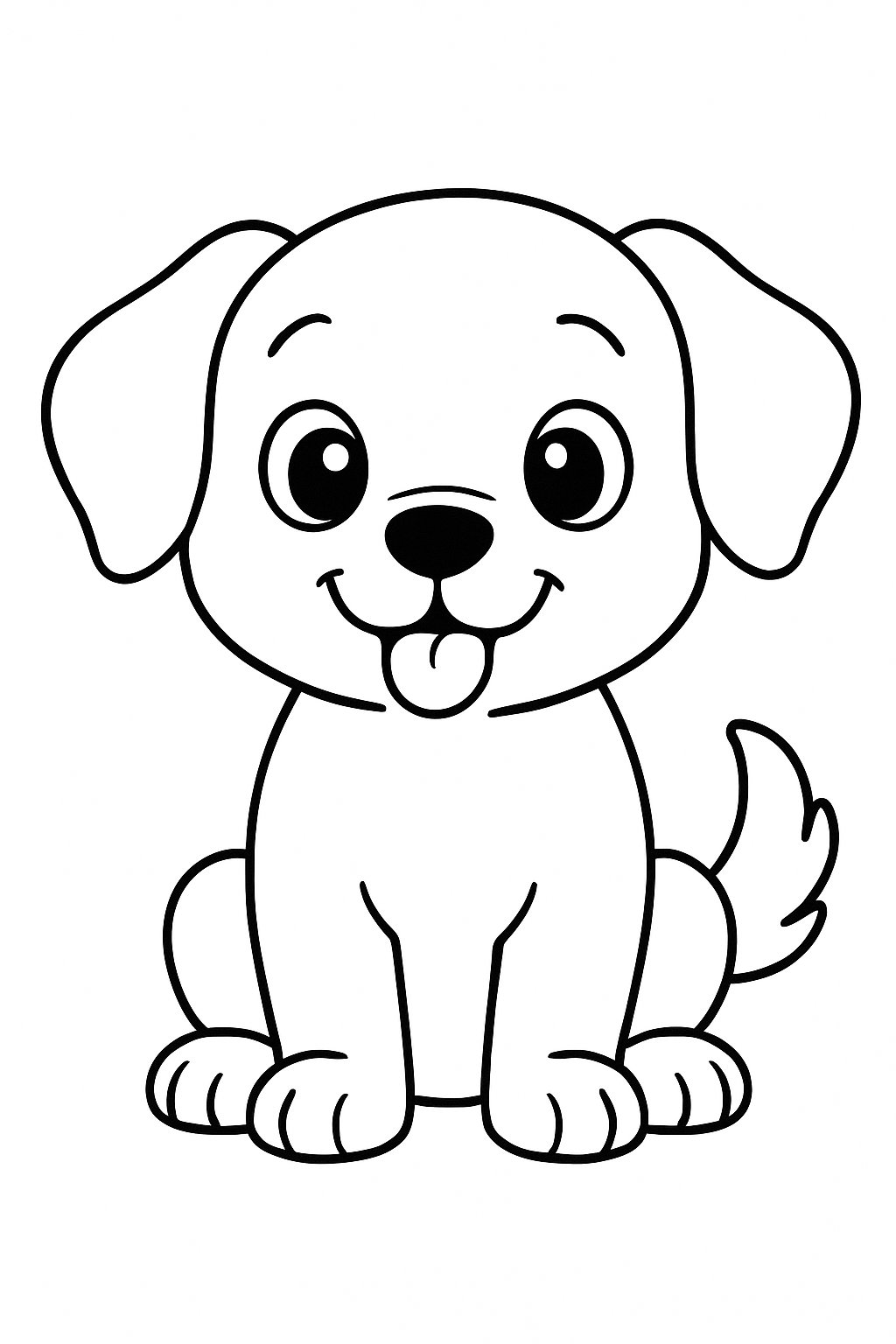
This coloring page shows a cheerful cartoon puppy with a soft, rounded face and large eyes. Its smile gives it a warm and playful appearance.
The puppy’s floppy ears and smooth curves make the outline simple for beginners to color. The lines are bold and easy to follow.
Children can enjoy filling in this friendly design with bright colors. It encourages creativity while helping them practice hand control and attention to detail.
6) Easy-to-Color Puppy with Wagging Tail
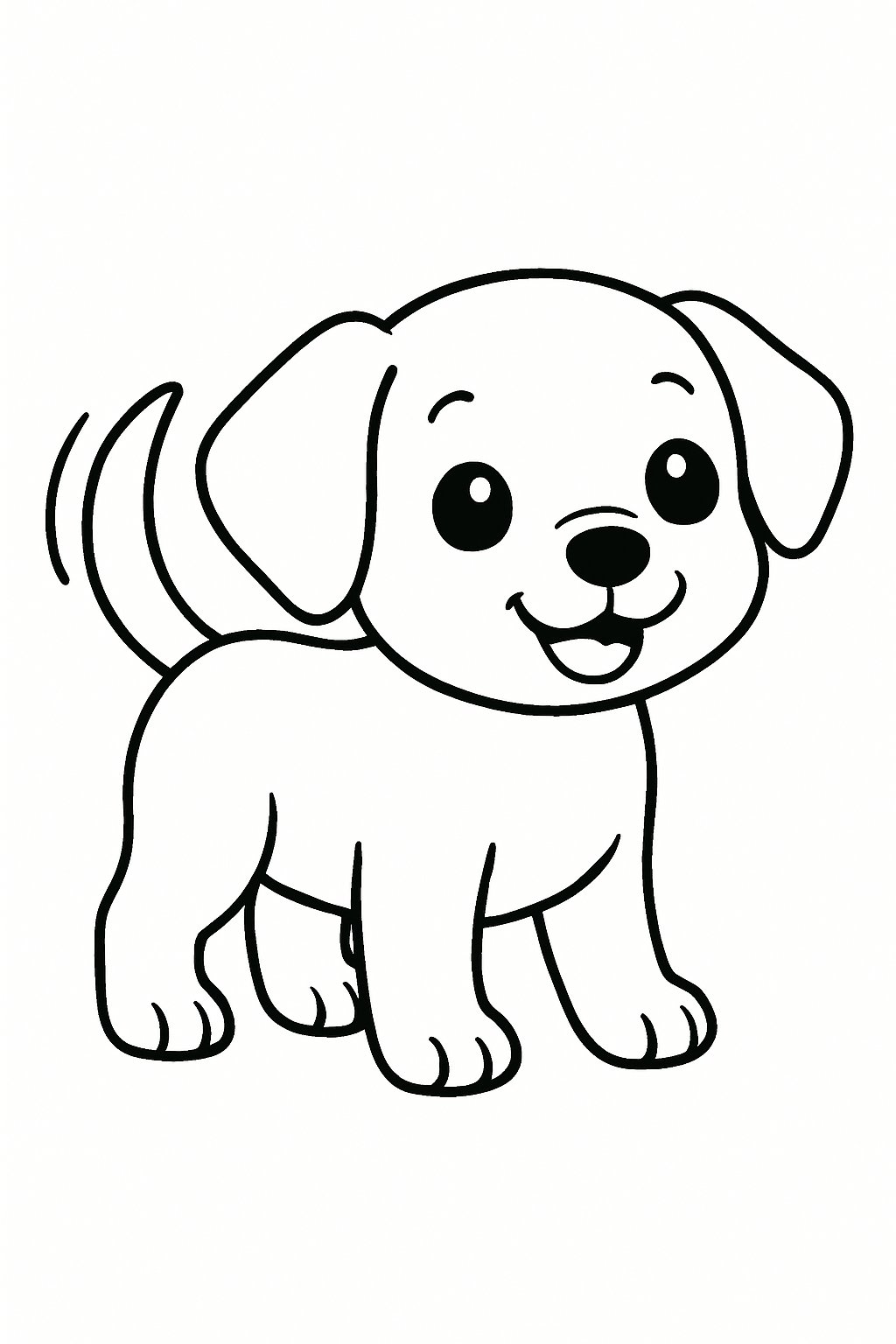
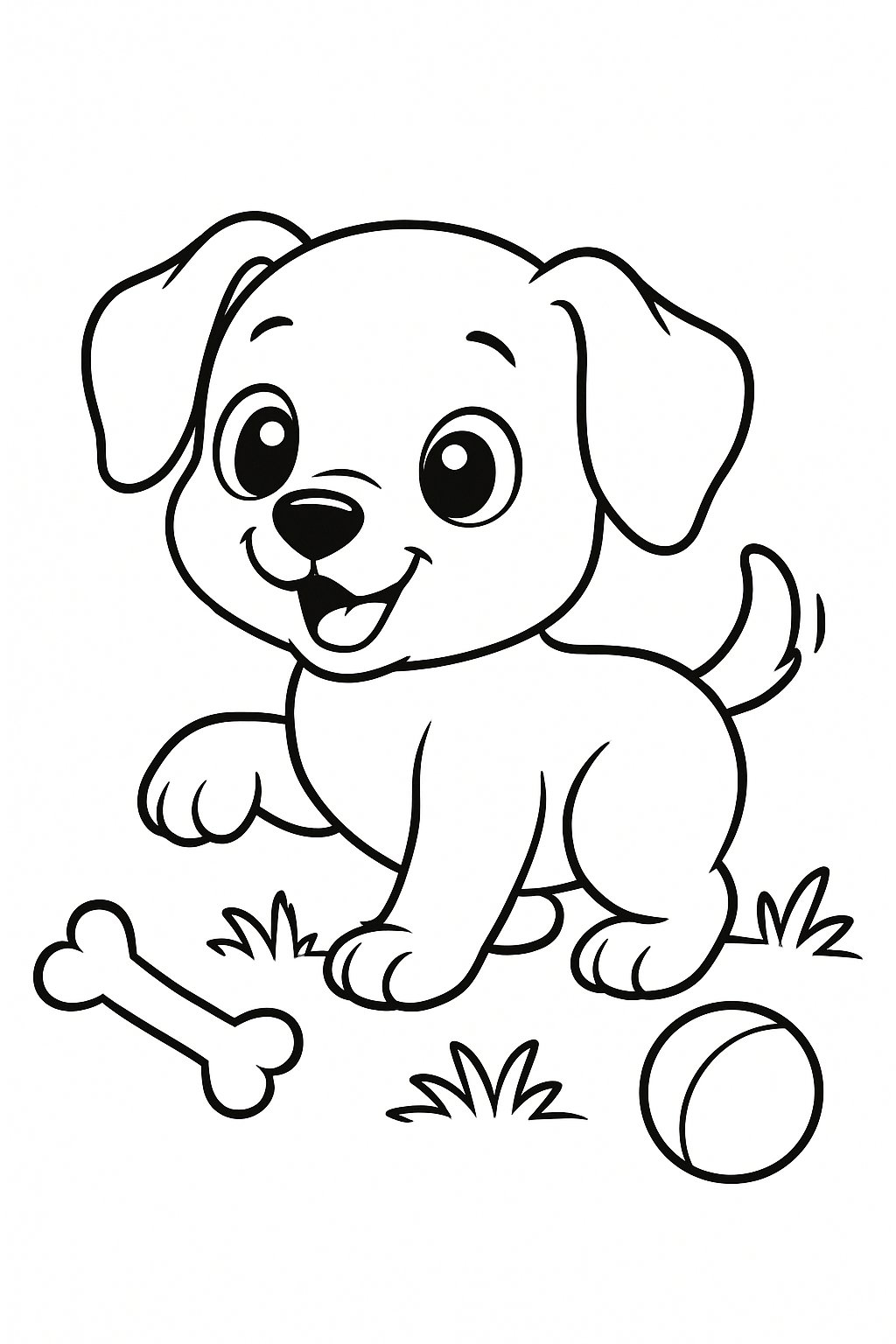
This coloring page features a cheerful puppy standing with its tail in mid-wag. The lines are thick and simple, making it suitable for young children or anyone who enjoys relaxed coloring.
Each section of the puppy’s body is easy to fill with color. The design avoids tiny spaces, helping users stay within the outlines.
Color choices can range from light browns and grays to spots of white or tan. The wagging tail adds motion and helps the drawing feel lively without being hard to complete.
7) Friendly Puppy with Large Ears and Collar
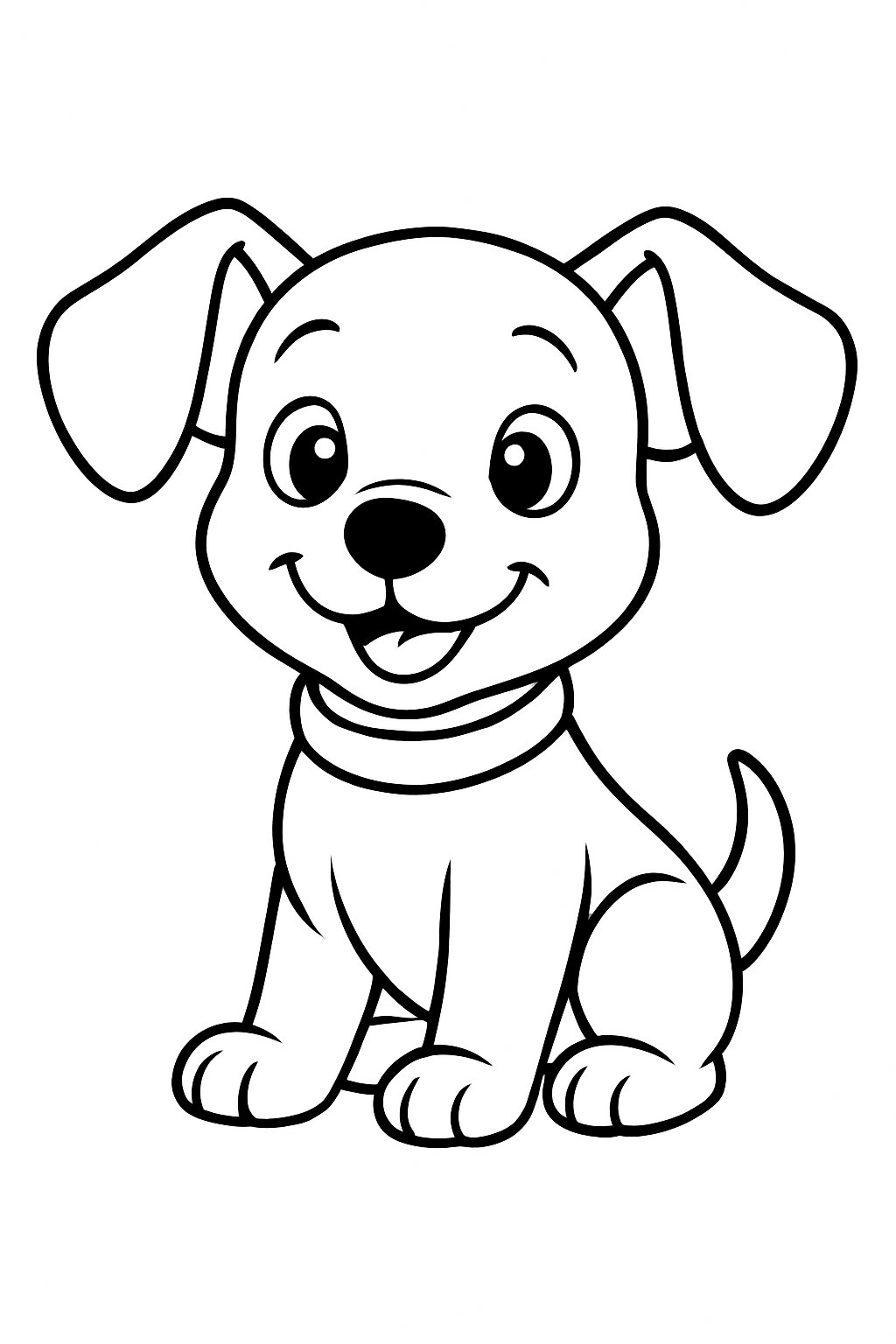
This coloring page shows a cheerful puppy with floppy, oversized ears and a soft smile. The friendly look makes it inviting for children to color.
A round collar rests around its neck with a small tag hanging from it. The simple outline design helps young artists stay inside the lines.
Kids can choose bright or natural colors to make the puppy look realistic. The large ears and open face leave space for creative color choices and shading practice.
Benefits Of Coloring Cartoon Puppy Dog Pages
Coloring cartoon puppy dog pages helps children build control of their hand movements, use their imagination, and express feelings in a calm way. Each activity mixes fun with real learning, supporting both focus and emotional growth.
Enhancing Fine Motor Skills
Coloring inside shapes strengthens the small muscles in the hands and fingers. When children hold crayons or pencils, they improve grip control and hand-eye coordination. Repeating these actions helps them gain more precision with writing tools over time.
Tracing the puppy’s outline or filling in its floppy ears teaches careful movement and patience. Children learn to adjust pressure and direction as they color smaller details like eyes, collars, and tails.
Key fine motor benefits include:
- Better pencil control
- Increased finger strength
- Improved coordination between sight and movement
These skills later help with handwriting and other classroom tasks that require controlled hand use.
Encouraging Creativity
Coloring a cartoon puppy lets children make choices about color, pattern, and texture. It allows them to experiment by giving familiar elements—such as fur, backgrounds, and collars—unique color combinations. This freedom promotes flexible thinking and problem-solving.
They learn to mix shades, blend colors, and plan spaces before coloring. Such decisions help build visual thinking and design sense. Even simple line drawings can become expressive works through personal color choices.
Using safe art materials like crayons, colored pencils, or markers encourages a hands-on connection with art. This interaction helps children discover how different tools create varied effects, turning each picture into a small creative project.
Supporting Emotional Expression
Coloring can create a quiet and focused setting that reduces stress. The repetitive movement of coloring a puppy’s shape can help calm children when they feel anxious or restless.
When children select colors and add details, they often show how they feel without needing words. A bright puppy might reflect excitement, while softer tones may suggest comfort or calmness.
Teachers and parents can observe these choices to better understand how a child feels. Coloring then becomes both a creative outlet and a gentle emotional learning activity that supports self-awareness and relaxation.
Tips For Coloring A Cute Little Puppy Dog Outline
Coloring a puppy outline can show a child’s creativity and eye for detail. The main focus is choosing tones that look natural or fun, blending shades for texture, and adding a simple background to give the puppy context.
Choosing Colors
Start by picking a base color for the puppy’s fur. Common choices include light brown, golden beige, black, or white. Children might also prefer playful options like blue or pink for a cartoon effect. A short-haired puppy looks best with single, smooth tones, while a fluffy one benefits from several shades layered together.
Use a small color palette to keep the design simple. A mix of three or four colors, including the collar or background, keeps the sheet clean and easy to follow. For example:
| Area | Suggestion |
|---|---|
| Fur | Light brown with darker edges |
| Collar | Red or blue |
| Tongue | Soft pink |
| Eyes | Light brown or gray |
Adding contrast between the fur and collar helps the puppy stand out without overwhelming the page.
Using Shading Techniques
Shading adds volume and realism. Starting with light pencil strokes and slowly darkening areas, like under the ears or paws, makes the puppy look more three-dimensional. Even children can try blending by pressing lightly at first and gradually applying more pressure.
For crayons or colored pencils, layer colors instead of drawing thick lines. Using a darker shade around the edge of the face or tail gives the impression of roundness. Avoid coloring too hard, which can leave shiny spots or break the tip of the pencil.
In digital coloring, adjusting opacity or using a soft brush tool achieves similar depth. Keeping light areas near the middle of the face and nose helps the puppy look gentle and bright.
Adding Background Elements
A background completes the image and helps the puppy feel part of a scene. Simple choices like grass, a sidewalk, or a small bowl make sense for most settings. Using soft greens or browns prevents distraction from the main subject.
Add shadows below the puppy to make it appear grounded on the page. A short shadow under the paws creates depth. Including minimal details, such as a toy ball or small flowers, gives balance without clutter.
Children can also experiment with blank spaces. Leaving part of the background white draws the viewer’s eyes toward the puppy’s expression and fur details.