Crocheting for pets blends comfort, creativity, and care. Making a dog sweater by hand lets anyone craft something that fits well and feels soft while adding a touch of personal style. This article helps dog owners discover free crochet dog sweater pattern ideas that suit dogs of all sizes, styles, and skill levels.
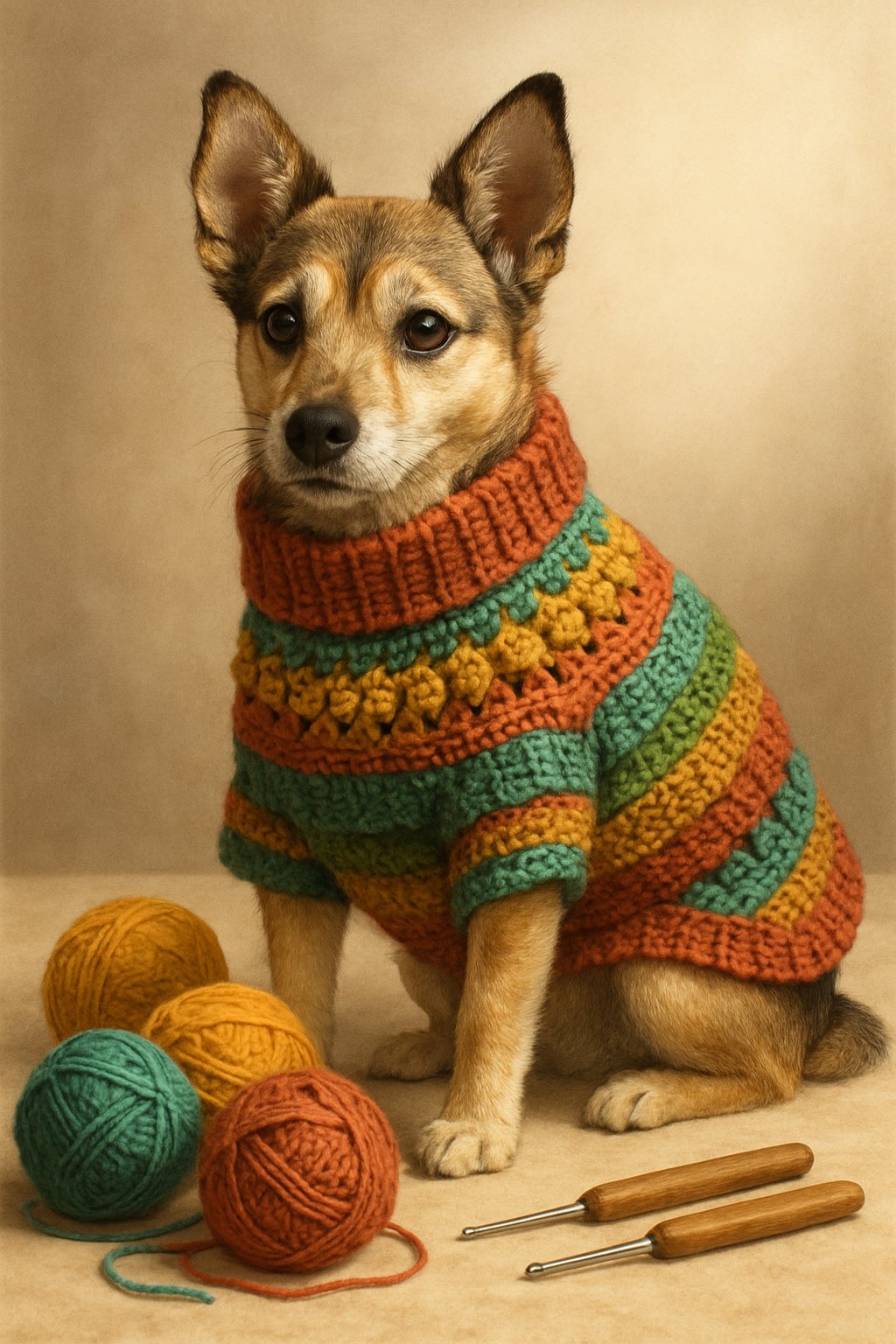
Each section explores a different pattern style, from easy one-piece sweaters to button-up designs and hooded options. It also offers guidance on yarn choices, sizing, and finishing touches to make every sweater practical and comfortable. With simple tools and clear patterns, anyone can create something both warm and well-fitted for their dog.
1) One-piece crochet dog sweater pattern
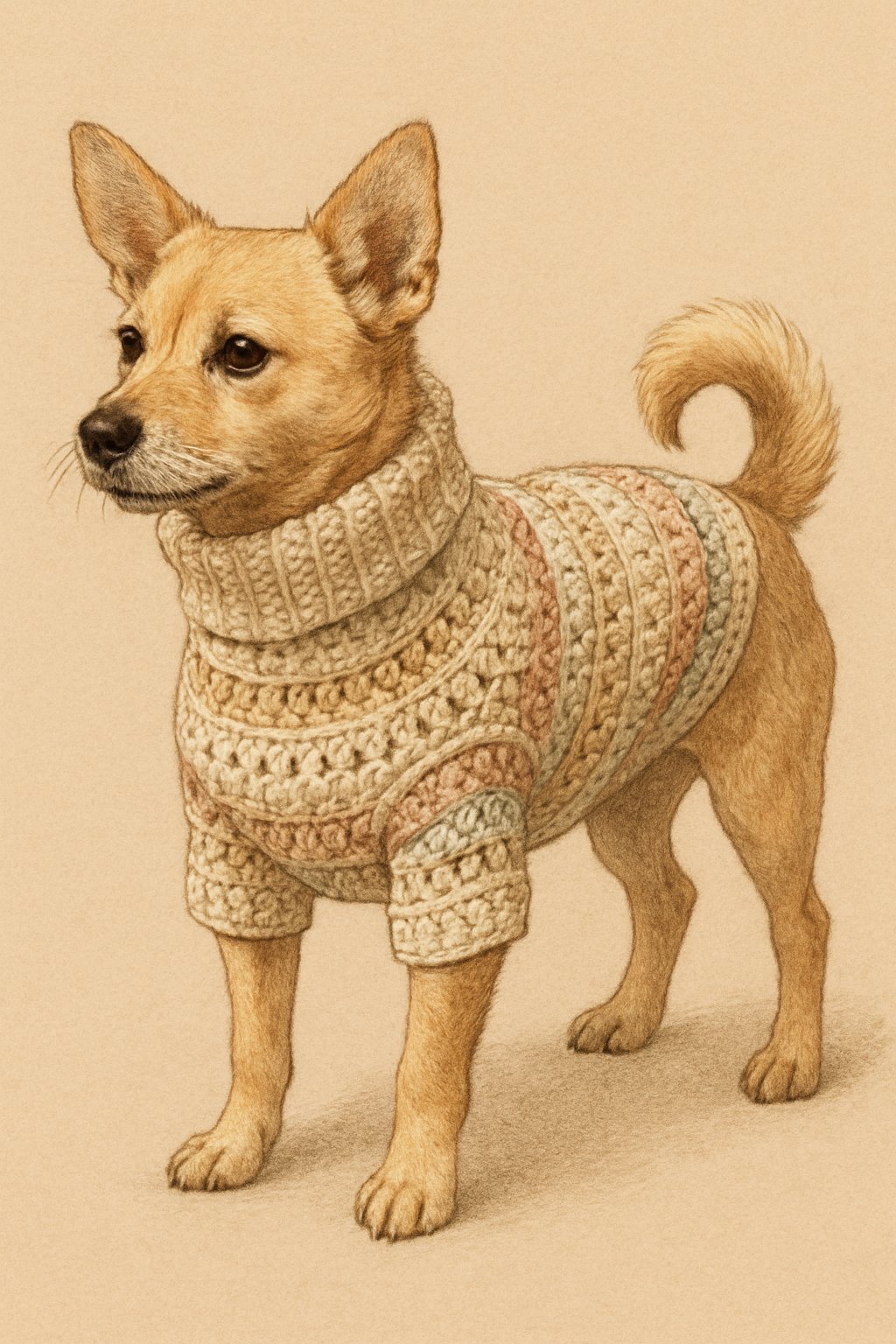
A one-piece crochet dog sweater works well for beginners because it avoids sewing separate parts together. The design is usually made from the neck down in a single section, which keeps construction simple.
This type of pattern often uses basic stitches like double crochet or half double crochet. The sweater can be adjusted for a snug or loose fit by adding or removing rows.
Many designs include instructions for sizes from extra small to medium, making them useful for most small dogs. The result is a comfortable and easy-to-finish garment.
2) Button-up style dog sweater pattern
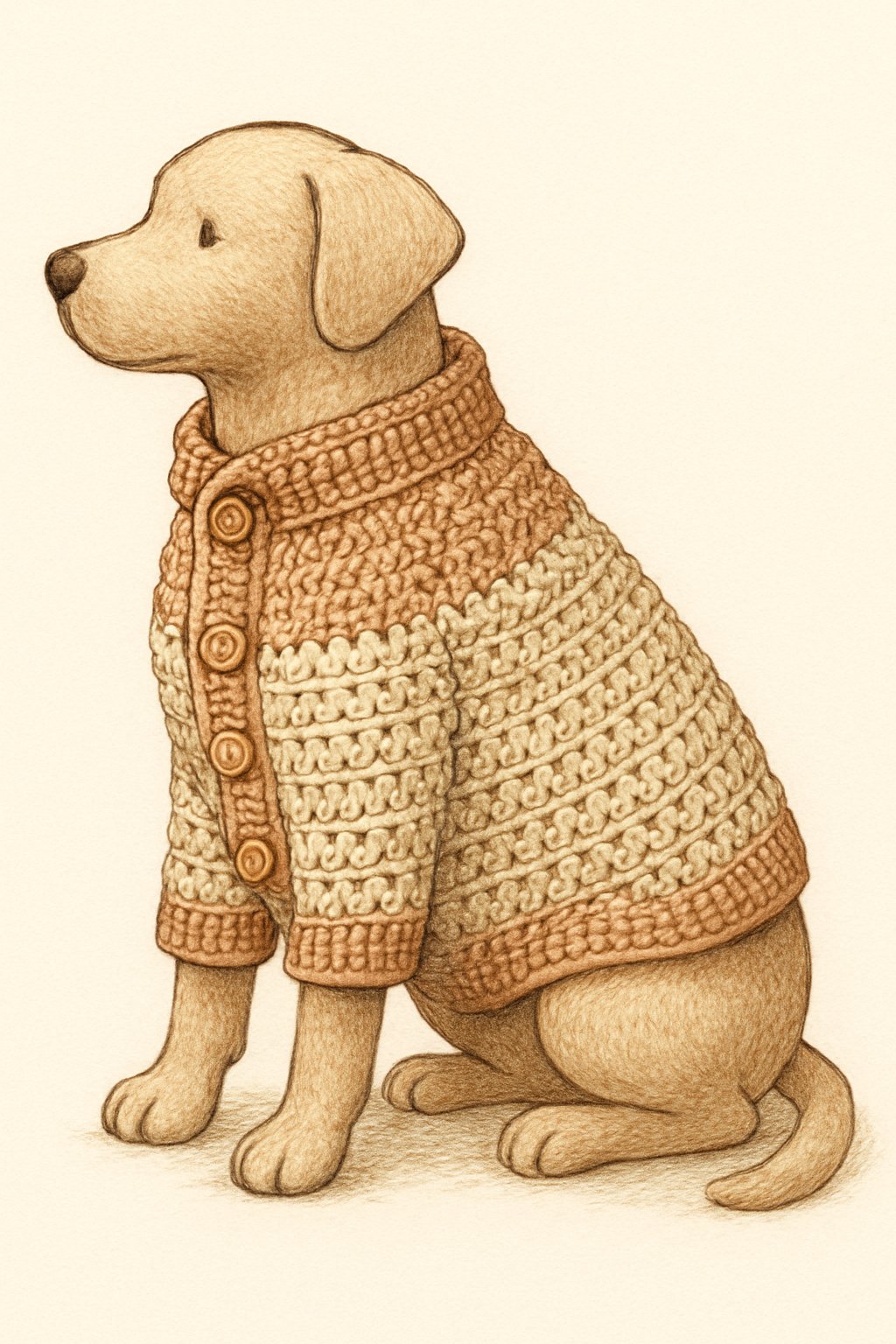
A button-up dog sweater opens along the chest or belly, making it easy to dress and remove. This design works well for dogs that dislike tight pullovers.
Crafters can use simple stitches like single or double crochet to create clean lines. Buttons or snaps close the sweater securely without restricting movement.
This pattern suits both small and large dogs by adjusting the stitch count and length. Using a soft, washable yarn adds comfort and makes cleaning the sweater practical.
3) Sweater with under-strap design
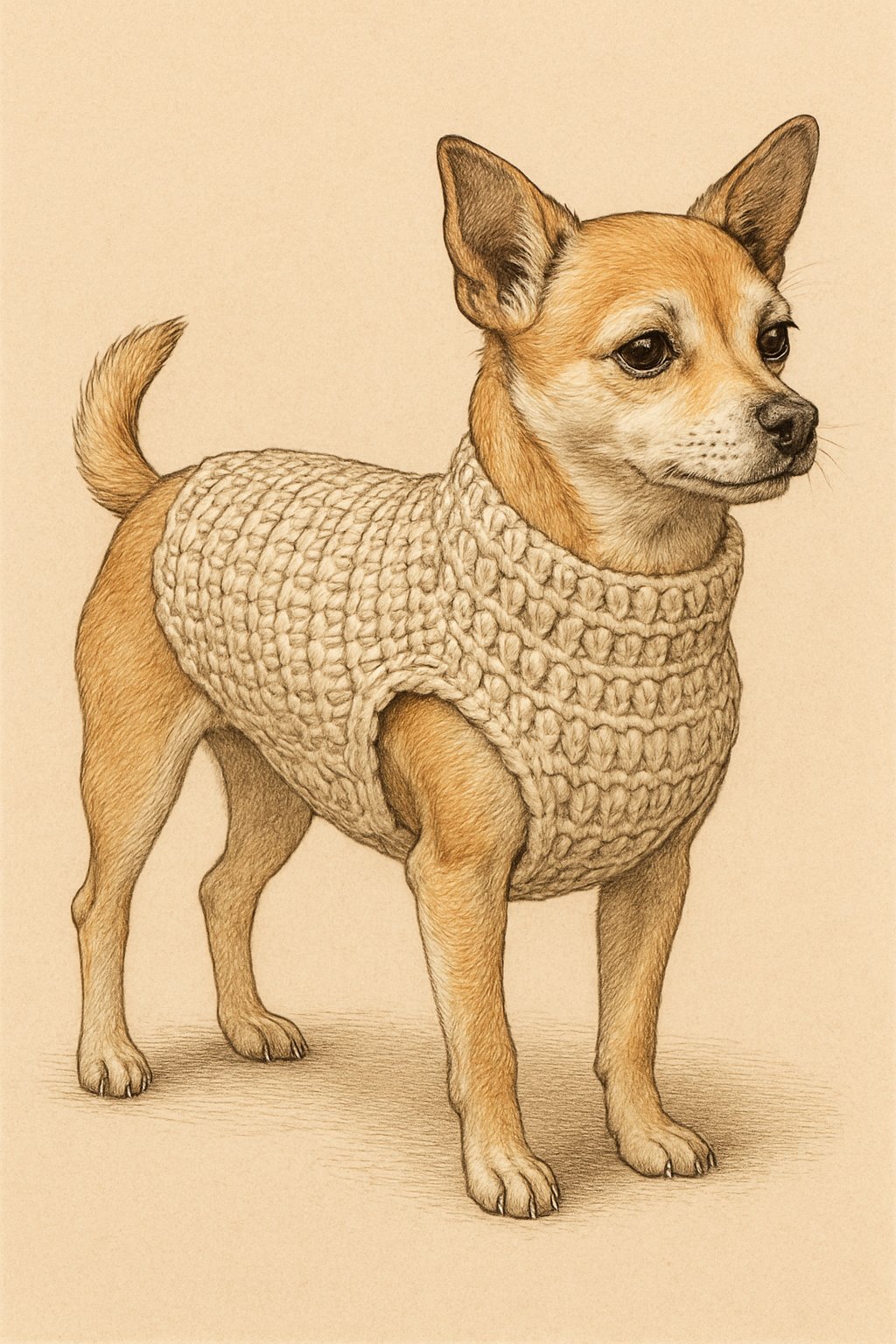
A sweater with an under-strap design stays in place while a dog moves or plays. The strap usually fastens beneath the chest, helping the sweater fit securely without slipping.
This design works well for active dogs and for those that don’t like clothing pulled over their heads. Many free crochet patterns for this style use simple stitches and can be adjusted for different breeds.
Crocheters often choose soft, washable yarn to keep the sweater comfortable and easy to clean.
4) Round yoke crochet sweater for dogs
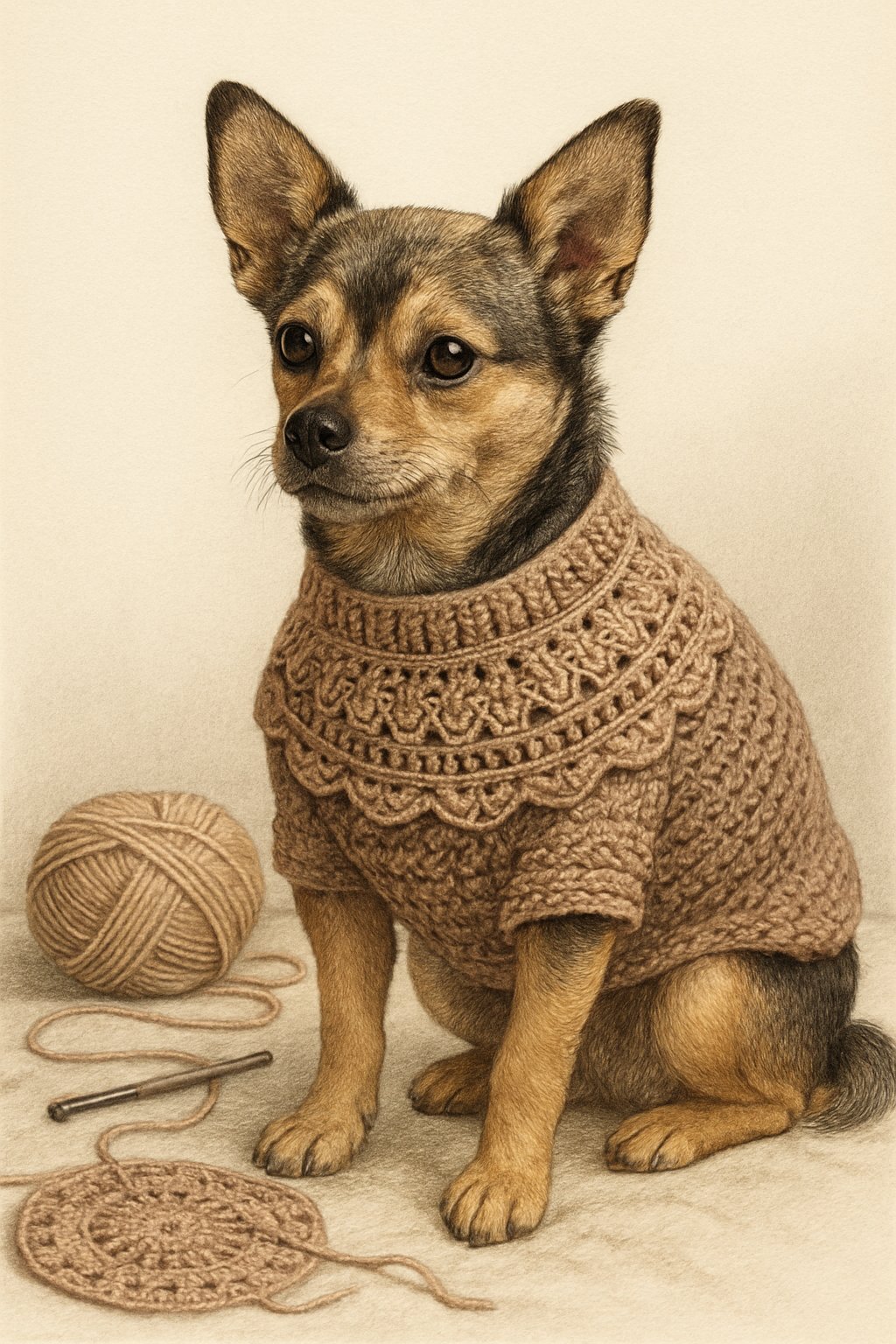
A round yoke crochet sweater fits a dog’s body evenly from the neck down, creating a balanced shape that moves well with the pet. It starts at the neckline and expands outward in smooth rounds.
This design works for many dog sizes because it can be easily adjusted by adding or removing stitch rounds. Soft yarn helps keep the sweater flexible and comfortable.
Many crafters prefer this pattern for its simple shaping and neat finish. The circular construction also reduces seams, which helps prevent rubbing on a dog’s chest or shoulders.
5) Hooded dog sweater crochet pattern
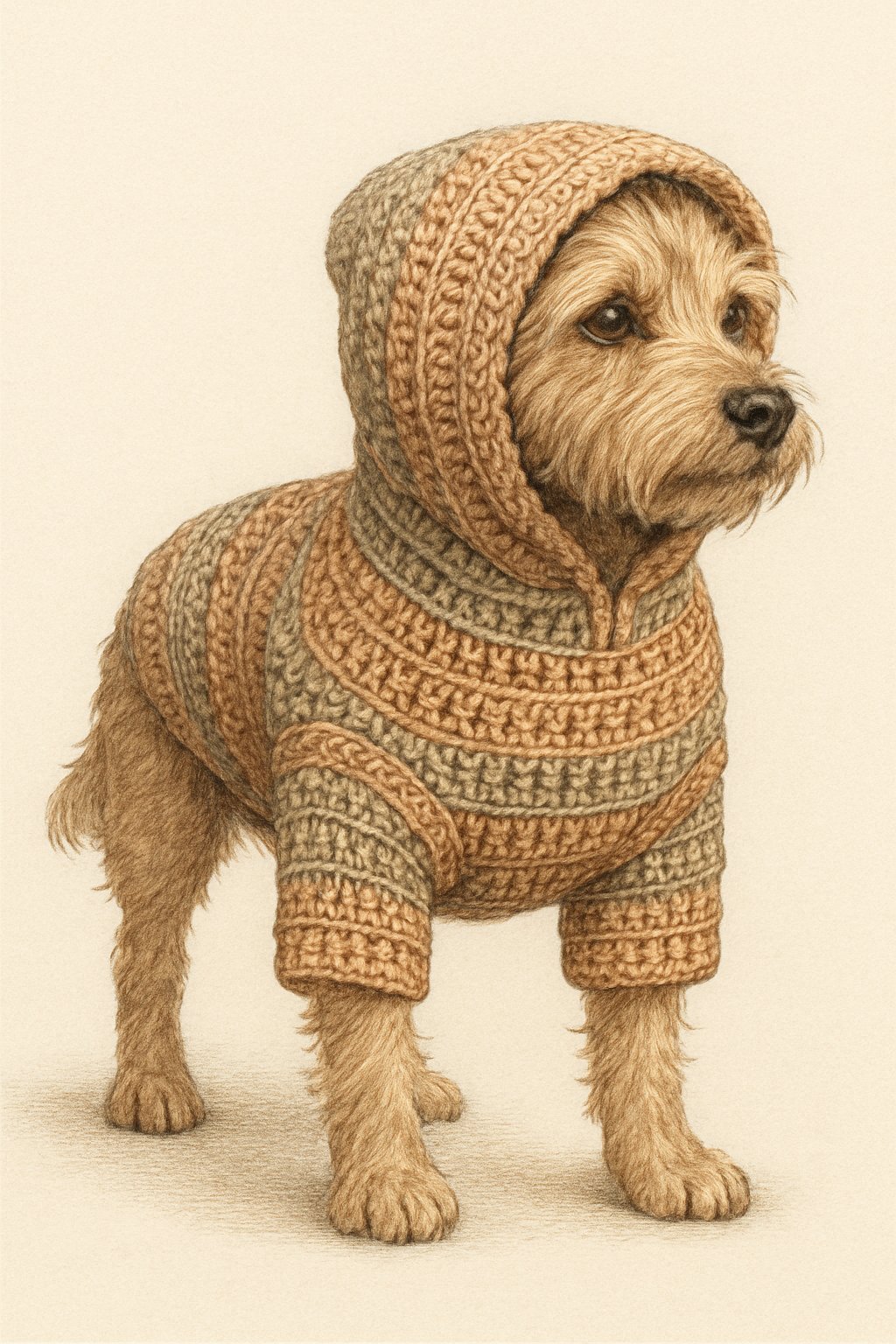
A hooded dog sweater adds warmth and comfort during colder days. It offers extra coverage for a dog’s head and neck while keeping the body snug.
Most patterns use basic stitches, making them suitable for beginners. A few skeins of soft yarn and a simple hood design can create a cozy fit for small or large dogs.
Crocheters can adjust measurements for different breeds. Some patterns include button closures or a front pocket for style and practicality. The result is a comfortable, handmade piece that keeps pets warm and protected.
6) Cable stitch cozy dog sweater
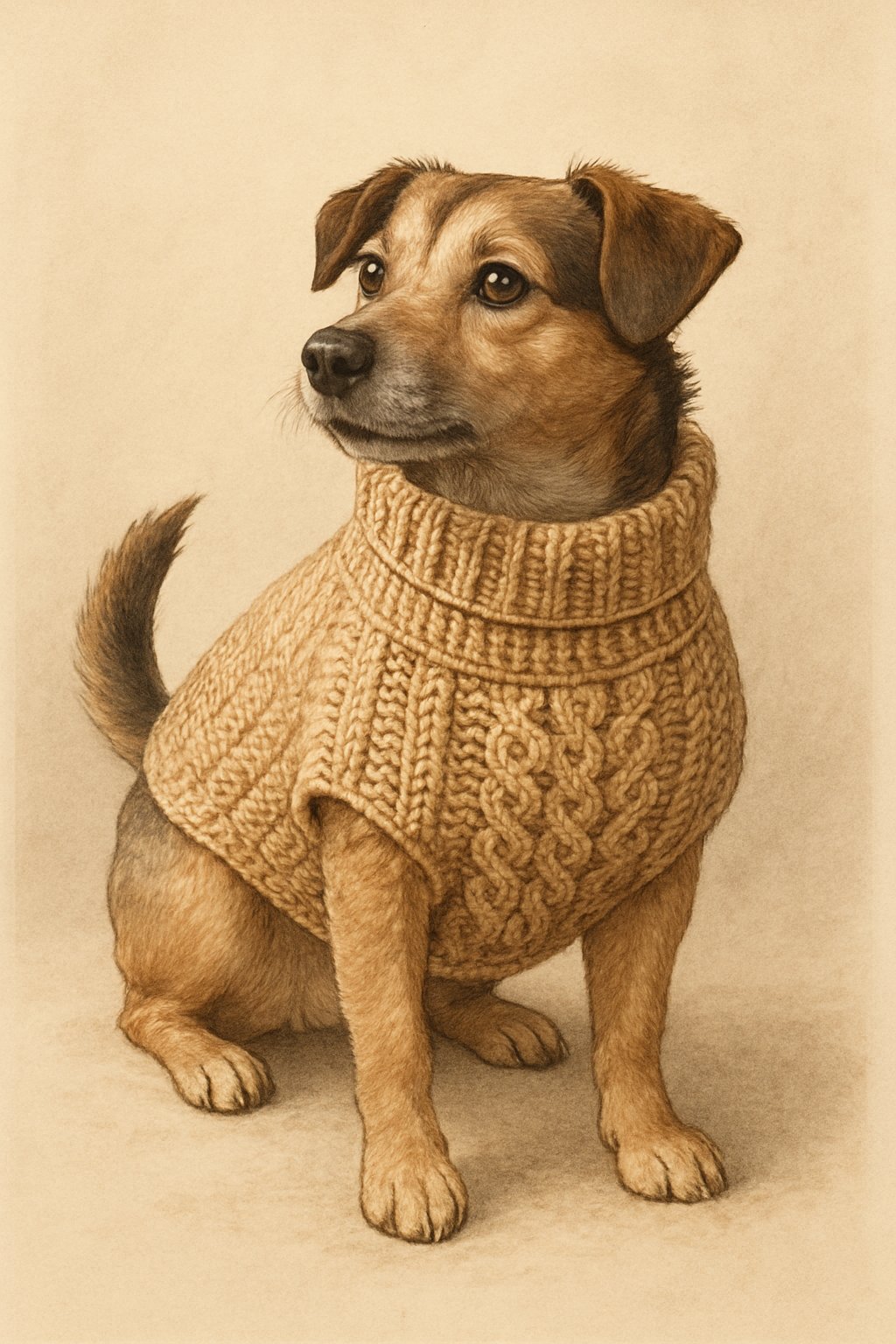
A cable stitch dog sweater adds texture and warmth without being bulky. The pattern uses standard crochet cables that twist neatly across the back, giving the sweater a classic, structured look.
It works well with medium-weight yarn and a 5 mm crochet hook for balanced thickness. Makers can adjust the size easily by adding or reducing stitches to fit different breeds.
The pattern suits crafters with some crochet experience but remains manageable for confident beginners who want to learn simple cable techniques.
7) Size-adjustable basic dog sweater
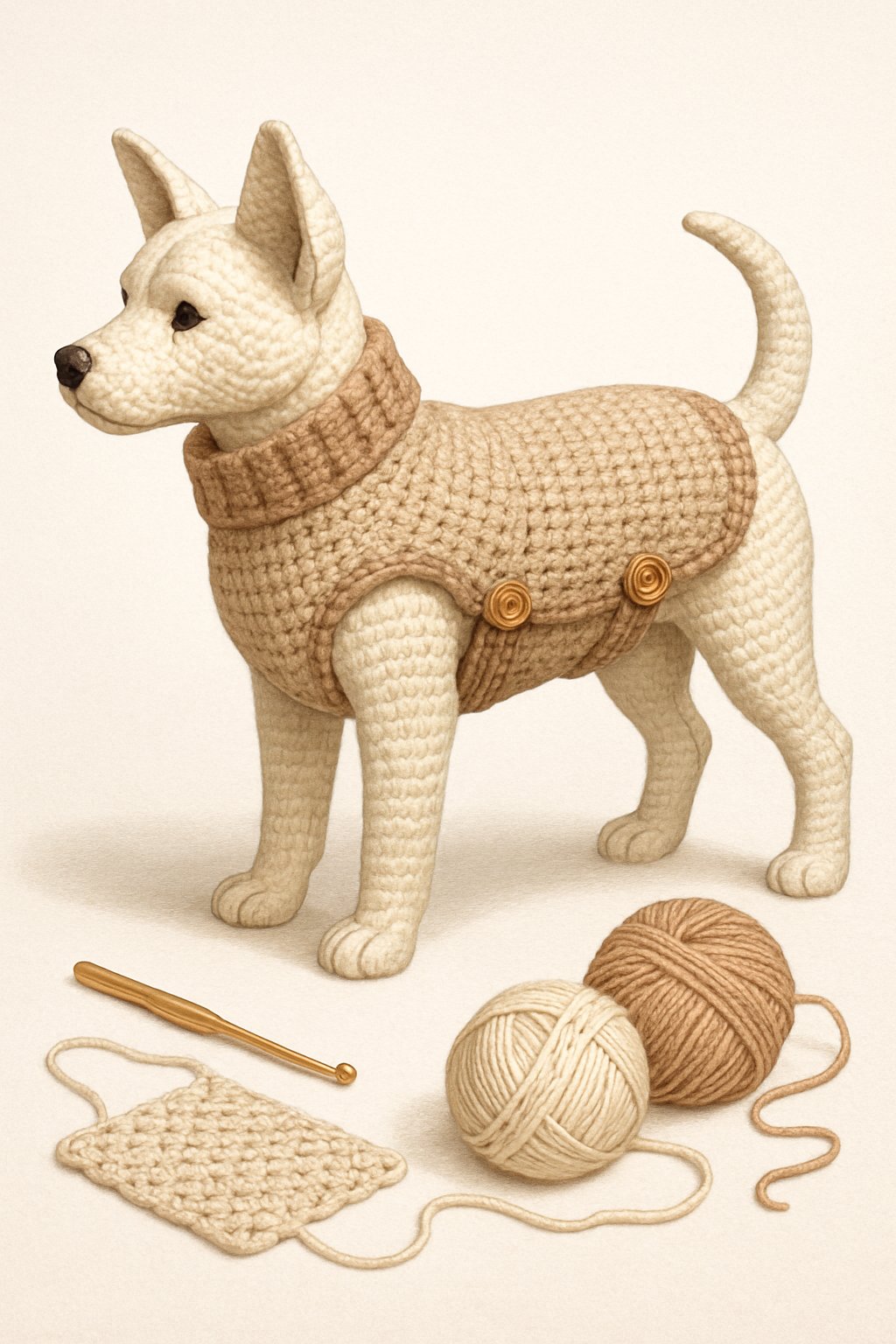
A size-adjustable basic dog sweater helps fit dogs of different shapes and sizes. This pattern usually includes clear measurements for neck, chest, and length adjustments. It works well for small to large breeds.
Crocheters can add or remove rows to make a snug fit without changing the design. The pattern often uses simple stitches, making it beginner-friendly.
Many free versions online include easy step-by-step instructions and size charts. Using flexible yarn allows the sweater to stretch slightly, keeping dogs comfortable and warm.
Choosing the Right Yarn and Tools
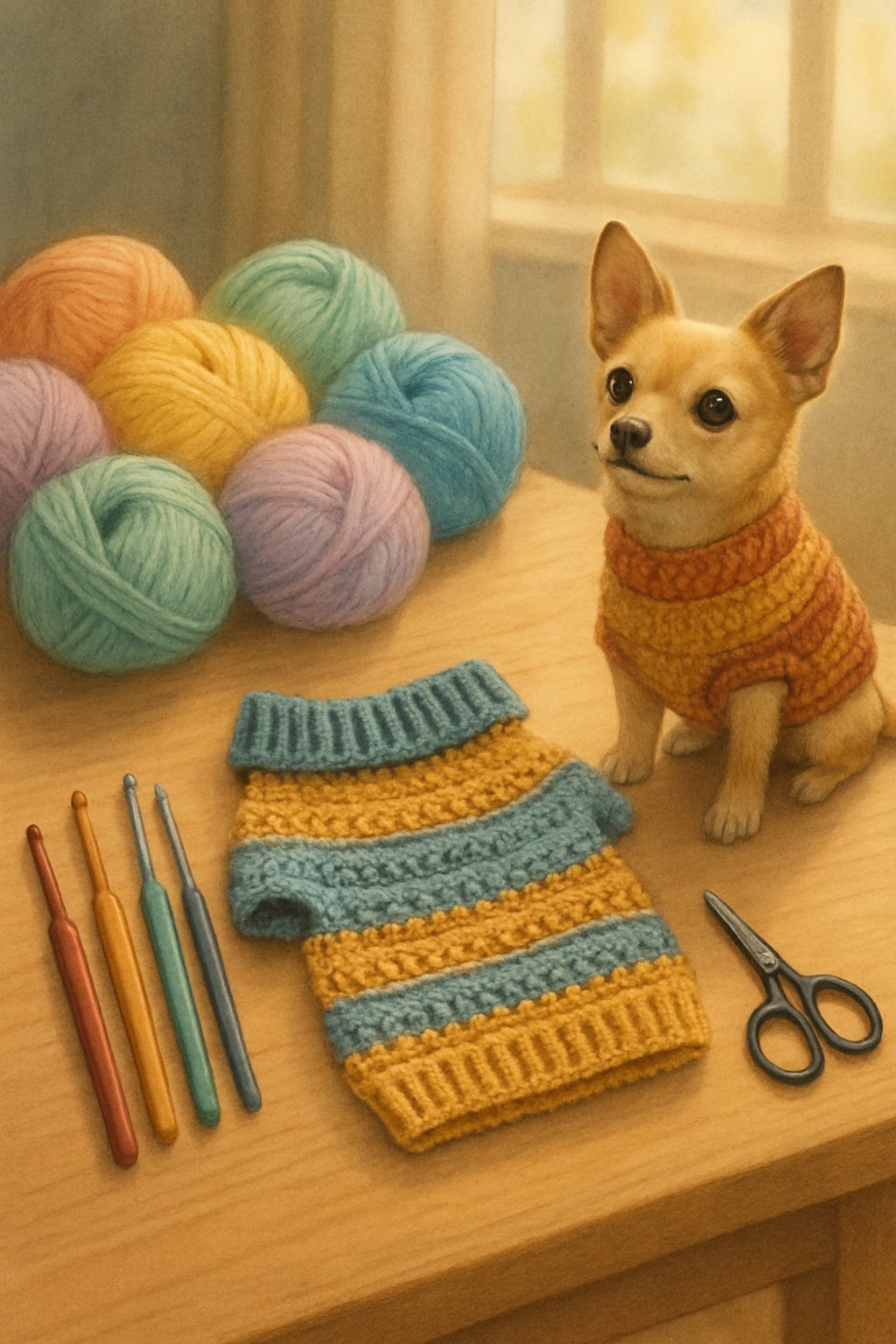
Selecting proper materials ensures the sweater feels soft, fits well, and lasts through regular wear. Yarn weight, fiber type, and hook size affect comfort, stretch, and durability for dogs of different sizes and activity levels.
Yarn Types for Comfort and Durability
The best yarns for dog sweaters balance comfort, warmth, and washability. Acrylic and cotton are common because they are soft, easy to clean, and affordable. Acrylic provides light warmth and resists shrinking. Cotton stays breathable and is ideal for mild climates. For extra warmth, wool blends hold heat but should contain some synthetic fibers to reduce itchiness and make cleaning easier.
Choosing the right weight matters. For most dog sweaters, worsted or medium-weight yarn works best. This weight holds shape well without becoming too bulky. Small breeds may need lighter yarns like DK or sport weight for flexibility and comfort.
Color and texture also influence use. Smooth yarn helps stitches look even and prevents snagging, while medium or dark colors hide dirt better. Pet owners who prefer low maintenance should look for machine-washable, non-shedding fibers to keep the sweater looking neat after repeated wear.
Essential Crochet Hook Sizes
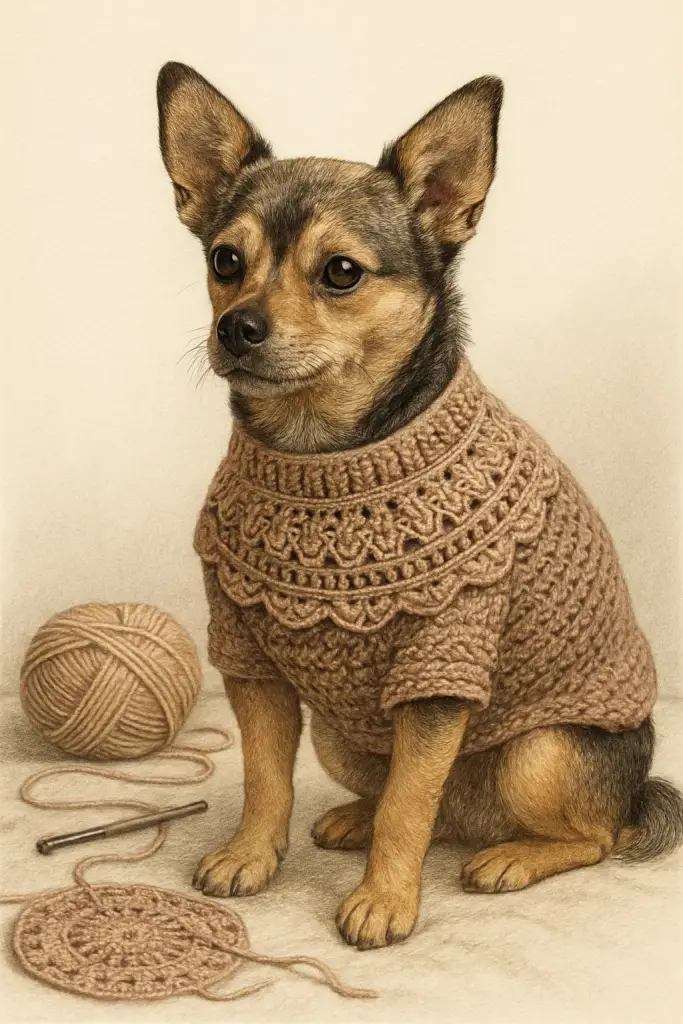
The crochet hook size depends on the yarn thickness and the crafter’s tension. Using the correct hook helps achieve the right gauge so the sweater fits properly. Most medium-weight yarns work well with 5 mm to 5.5 mm hooks (U.S. sizes H-8 to I-9). Lighter yarns may need smaller hooks, such as 3.5 mm to 4 mm, to create tighter stitches that hold their shape.
Below is a simple reference:
| Yarn Weight | Suggested Hook Size | Common Use |
|---|---|---|
| Sport / DK | 3.5 mm – 4 mm | Small dogs or light sweaters |
| Worsted | 5 mm – 5.5 mm | Medium to large dogs |
| Bulky | 6 mm – 6.5 mm | Thick, warm sweaters |
Testing a small swatch before starting helps confirm size, drape, and comfort. This step prevents wasted effort and ensures each sweater meets both fit and function needs.
Customizing Your Crochet Dog Sweater
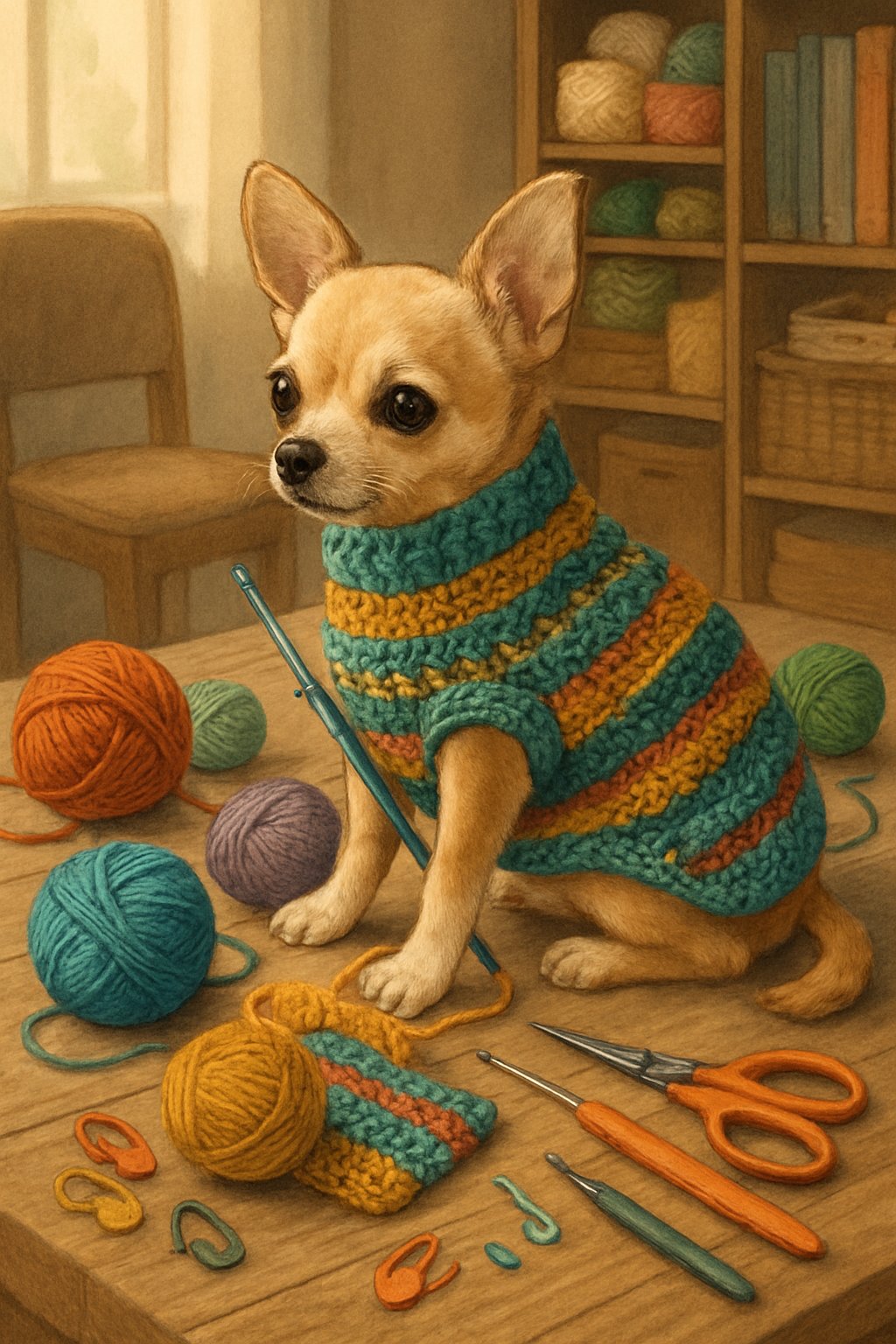
Proper sizing and thoughtful decoration make a handmade dog sweater both functional and personal. Accurate measurements help ensure comfort, while small design choices can add charm without affecting the fit or flexibility.
Measuring Your Dog for the Perfect Fit
Getting the right fit starts with measuring a few key areas of the dog’s body. Use a soft tape measure and keep it snug but not tight. The most important measurements include:
| Area | How to Measure |
|---|---|
| Neck | Wrap the tape around the base of the neck where a collar sits. |
| Chest | Measure the widest part just behind the front legs. |
| Back Length | Start from the base of the neck to the base of the tail. |
Most patterns list size ranges such as XS through XL, but handmade sweaters can be adjusted by adding or removing rows. Check that the neckline and chest areas allow easy movement. A sweater should not restrict breathing or walking.
After crocheting a few inches, it helps to test the fit before finishing. If the sweater feels too snug, add a few stitches on each side. For small dogs, lighter yarn may prevent bulk, while thicker yarn keeps large breeds warmer.
Adding Unique Embellishments
Simple details can make a sweater stand out without complicating the project. Buttons, contrasting borders, or small crocheted shapes can personalize the design. It’s best to use flat, securely sewn decorations so they don’t irritate the dog’s skin or catch on objects.
Crocheters can change colors at the ribbing or neckline for a tidy accent. For holiday themes, swap yarn colors to match the season. A short fringe at the hem or a textured stitch like a bobble adds visual interest with little extra effort.
Heavier embellishments like bells or large beads should be avoided, especially for active dogs. Comfort and safety remain the top priority. A custom finish that balances appearance and wearability makes the sweater both attractive and practical.