Cute crochet cat patterns bring charm and comfort to amigurumi projects. They let makers shape small, playful cats with simple stitches and clear forms that feel fun and relaxing to create. These designs fit many styles, from soft plush toys to tiny decorative figures.
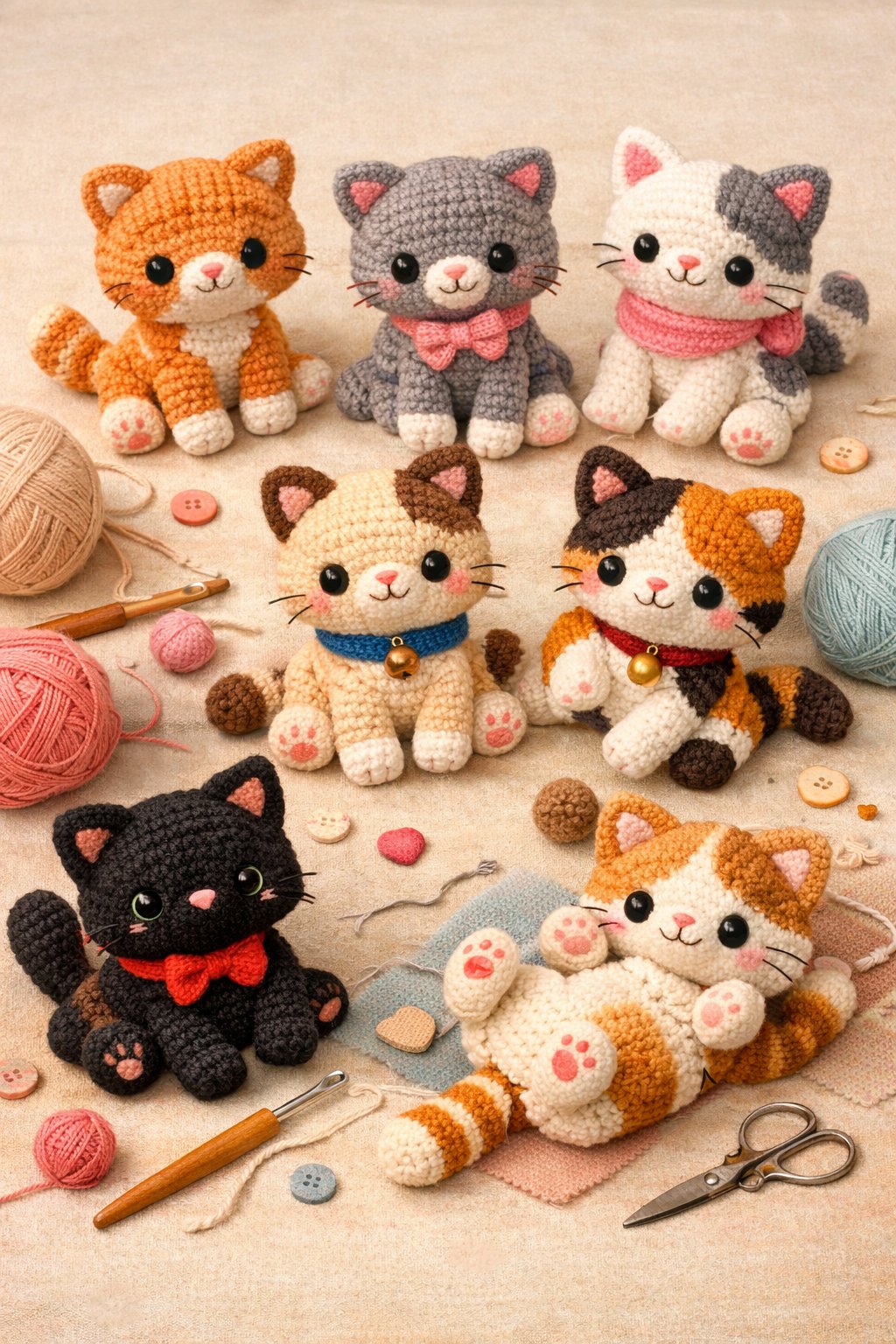
This article helps amigurumi lovers find crochet cat patterns that feel cute, clear, and enjoyable to make. It guides makers through different looks, sizes, and skill needs, while also covering basic tools and helpful tips that support clean, adorable results.
1) Kawaii Mini Cat Amigurumi
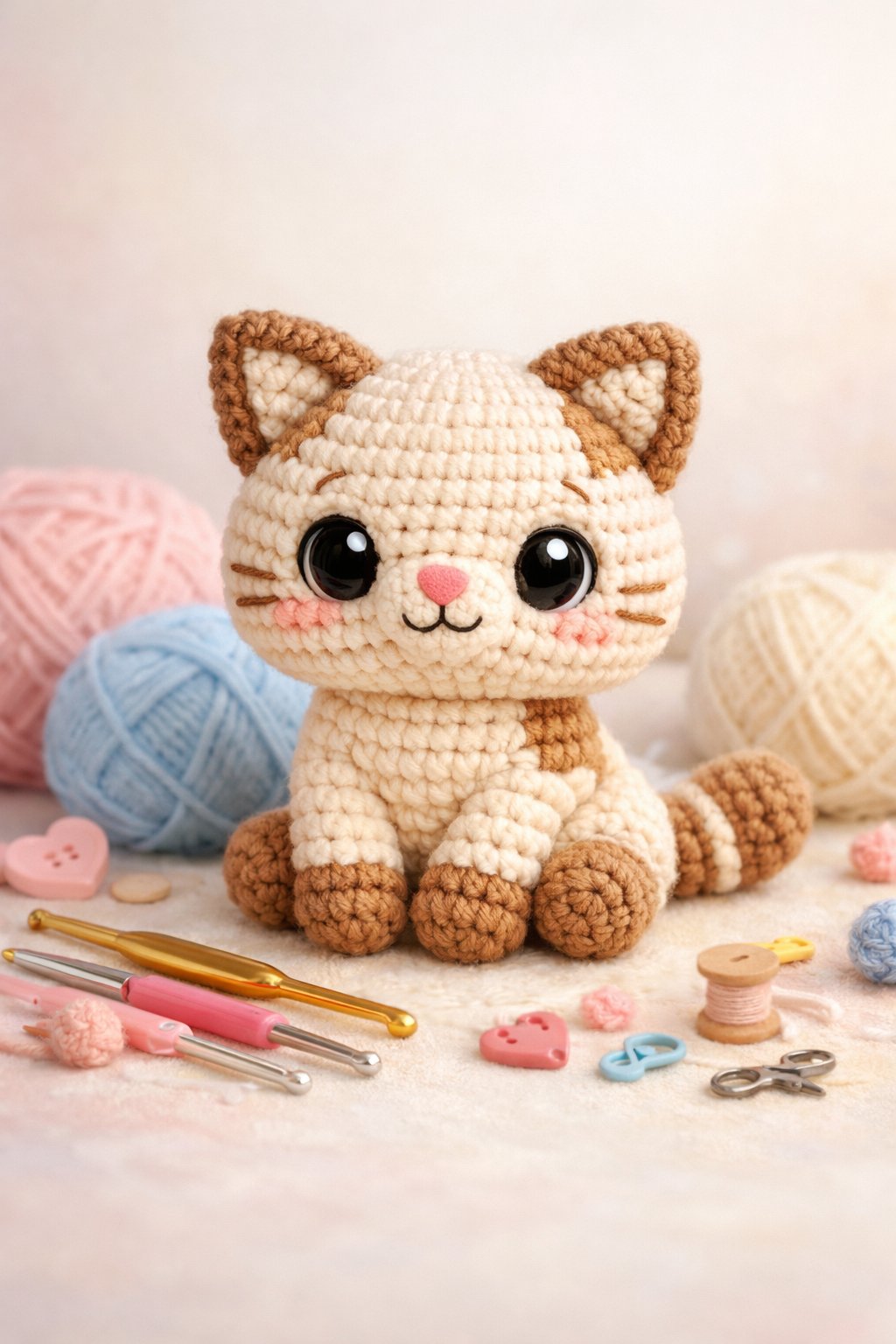
Kawaii mini cat amigurumi patterns focus on small size and simple shapes. Designers often use basic stitches, which makes these projects easy to follow and quick to finish. Many patterns suit beginners who want fast results.
Several free options show this style well, such as these kawaii mini cat amigurumi patterns. They often include round heads, tiny ears, and stitched faces for a soft look.
Other patterns keep sewing to a minimum. A good example is a mini crochet cat pattern for beginners that works well as a keychain or small gift.
2) Cube Kitty Cat Crochet Pattern
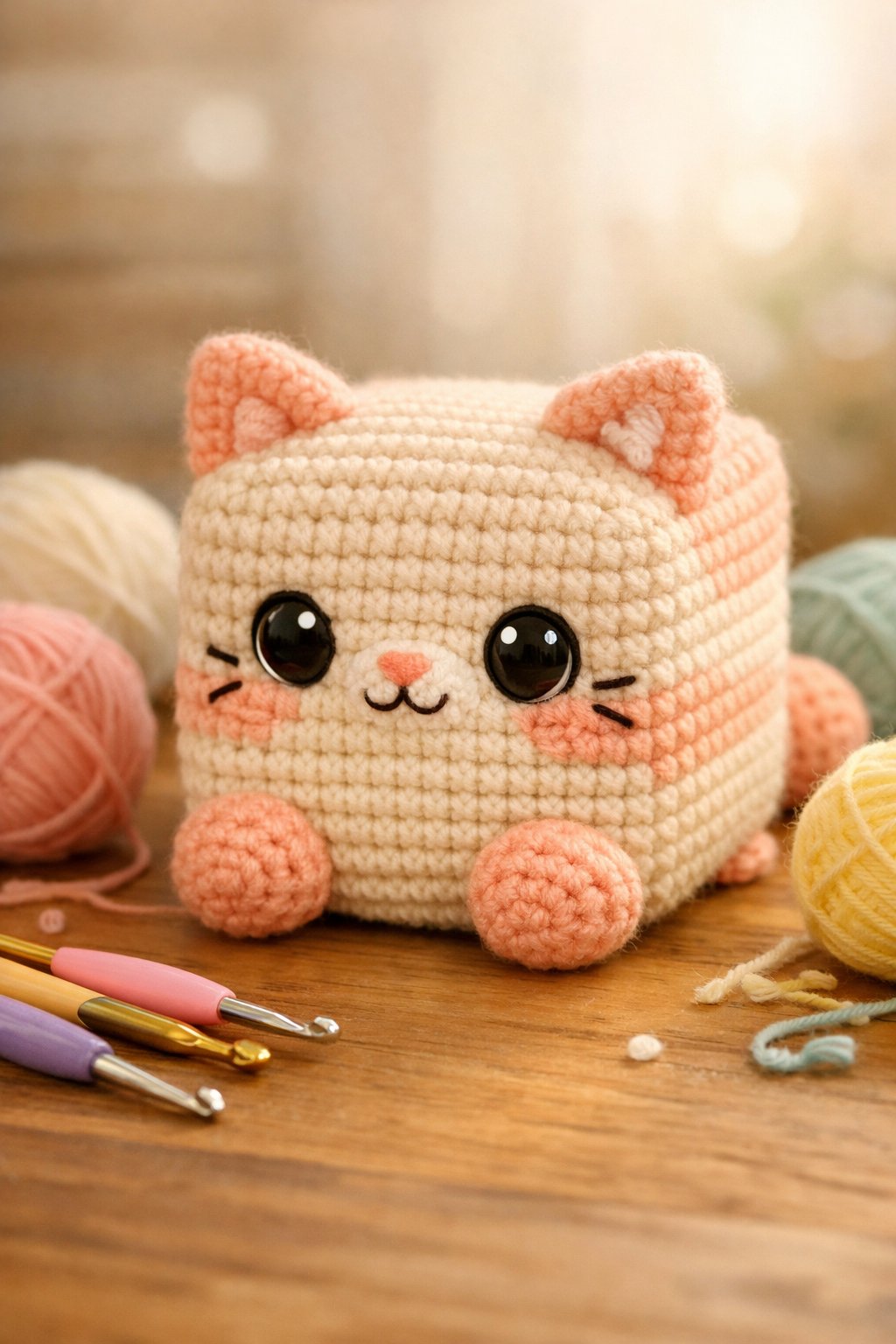
The Cube Kitty Cat Crochet Pattern features a simple cube shape that works well for beginners. Many makers like this design because it uses basic stitches and clear steps, such as the free pattern shared by Crafty Bunny Bun for a cube kitty cat amigurumi.
The pattern allows easy color changes and small details for ears and a tail. Crafters often adjust yarn weight and hook size to change the final size, as shown in this Cube Kitty Cat free crochet pattern.
Several platforms also host versions with tutorials and user photos, including this Cube Kitty Amigurumi crochet pattern, which helps guide visual learners.
3) Chibi Big-Eyed Cat Amigurumi
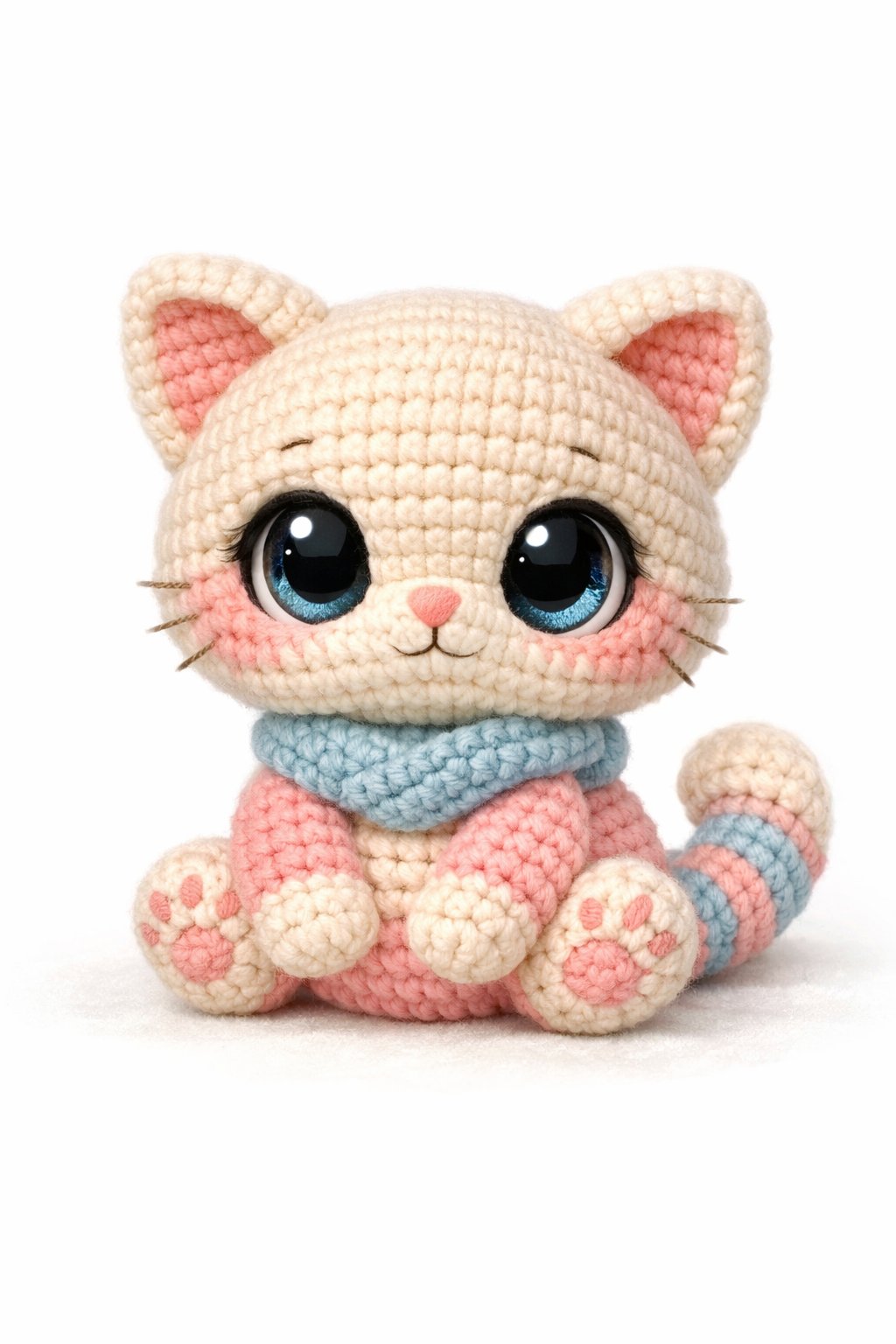
The chibi big-eyed cat amigurumi uses a small body and an oversized head. Large stitched or safety eyes give the cat a soft and friendly look.
Many patterns in this style work well for beginners. Several free chibi cat crochet patterns use simple stitches and short rounds.
Designers often keep details minimal to save time. Collections of free amigurumi cat patterns show how small ears and short limbs help keep the shape clean and balanced.
This style fits keychains, desk decor, and small gifts.
4) Heart-Nose Cat Plushie Pattern
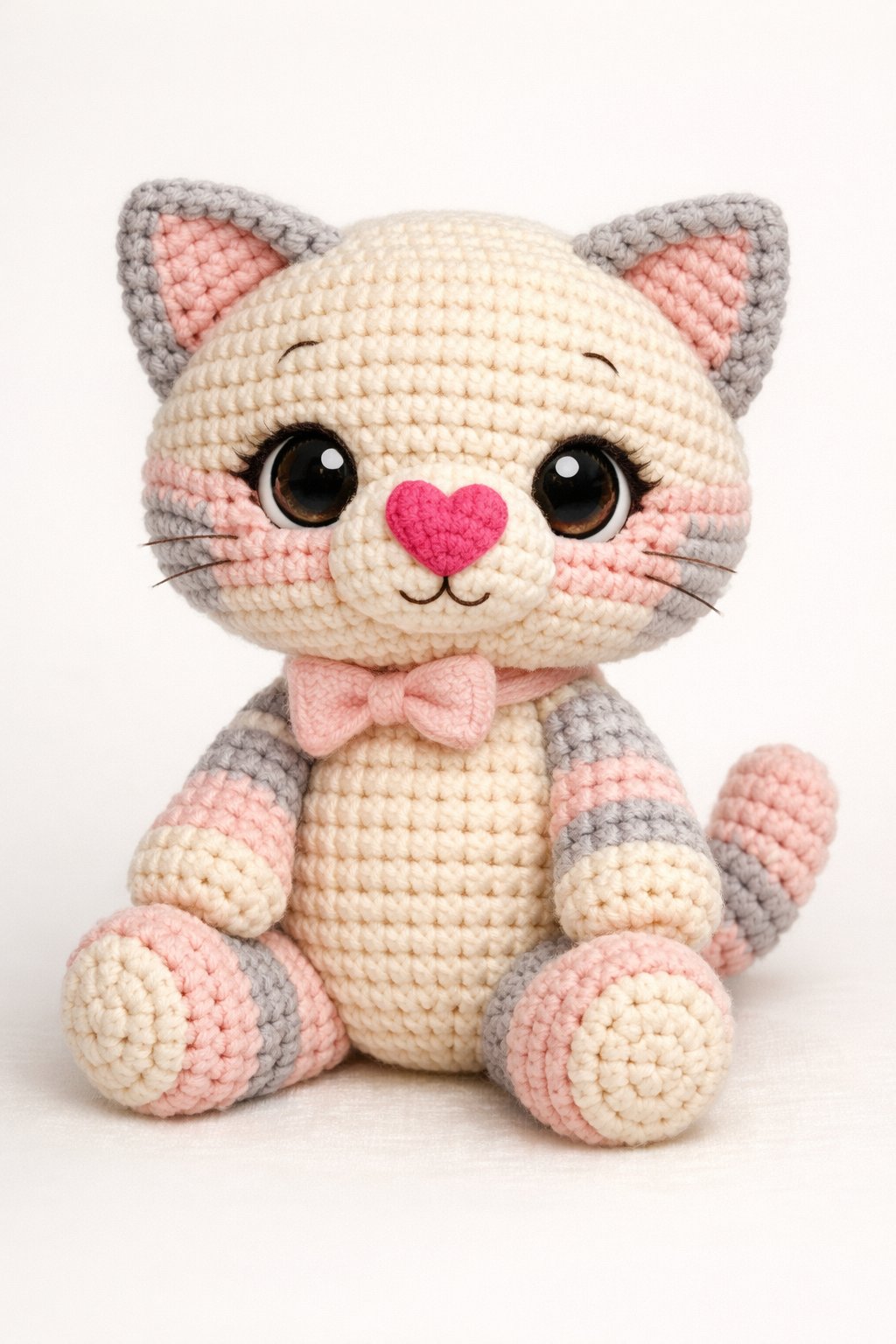
This heart-nose cat plushie pattern features a simple cat shape with a small heart detail on the face. It suits amigurumi fans who want a soft toy with a gentle theme. The design keeps the look cute without adding complex parts.
Many heart-style cat patterns use clear steps and small pieces. A good example is the Valentine’s Day heart cat crochet pattern, which shows how a heart detail can shape the body and face. The finished plushie stays small and easy to handle.
This type of pattern works well for gifts or seasonal decor. The heart nose adds charm while keeping the cat form clear and balanced.
5) Tiny Crochet Kitten Toy
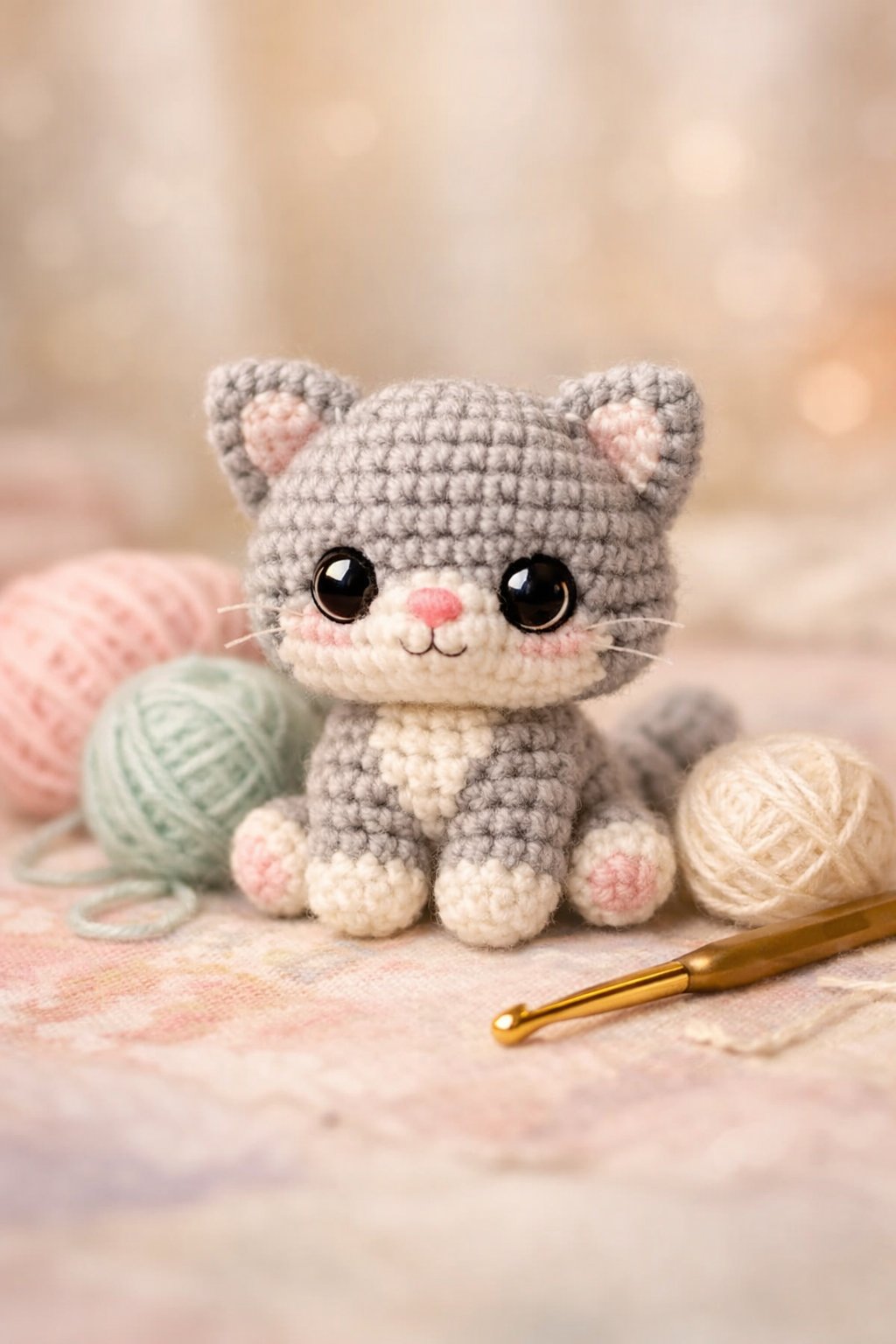
The tiny crochet kitten toy works well for small gifts and quick projects. Makers often use basic stitches and light yarn to keep the shape neat and soft.
Many patterns create a kitten small enough for a keychain or pocket. The mini crochet cat pattern for keychains and pocket toys shows how simple shaping can still add clear ears and a tail.
This type of toy suits beginners and experienced crocheters alike. It also uses small amounts of yarn, which helps reduce waste and cost.
Essential Materials and Tools for Amigurumi
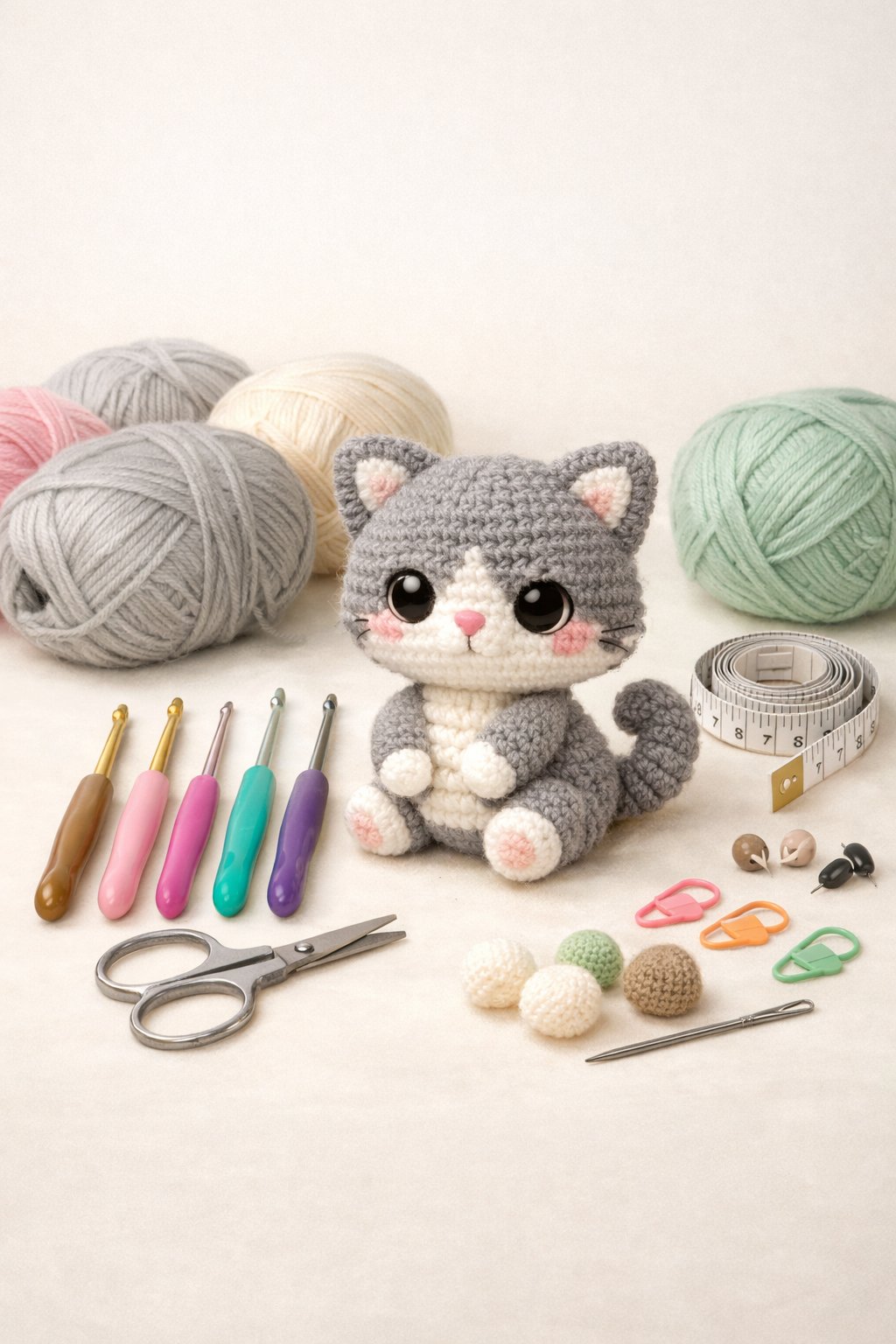
Amigurumi cats need soft yarn, the right hook size, and safe filling. Clean stitches and firm shaping depend on careful choices. Small details like eye type and stuffing amount change the final look.
Best Yarns for Crochet Cat Patterns
Most crochet cat patterns work best with medium weight (worsted) or light weight yarn. Acrylic yarn stays affordable, easy to clean, and widely available. Cotton yarn gives clear stitches and a smooth finish, which helps with facial details.
Many makers choose solid colors for a clean look. Variegated yarn can hide stitch gaps, but it may blur facial features. Soft texture matters more than shine.
Beginners often start with yarn suggested in a beginner-friendly amigurumi cat guide to avoid sizing problems.
Recommended yarn traits
- Smooth texture
- Low fuzz
- Even thickness
Recommended Crochet Hooks and Notions
Amigurumi uses smaller hooks than yarn labels suggest. A tighter stitch keeps stuffing from showing. For worsted yarn, many makers use a 3.0–4.0 mm hook.
Comfort matters during long sessions. Hooks with soft grips reduce hand strain. Aluminum or steel hooks glide well and keep stitches even.
Basic notions support clean assembly and detail work.
Helpful tools
- Stitch markers to track rounds
- Yarn needles for sewing parts
- Small scissors for clean cuts
Stuffing and Safety Eyes Options
Polyester fiberfill works best for crochet cats. It stays light, washable, and easy to shape. Makers should add stuffing in small amounts and pack it firmly to avoid lumps.
Safety eyes give a clean and polished look. Most cat patterns use 6–10 mm eyes, depending on head size. Always lock backs tightly before closing the head.
For toys made for young children, embroidered eyes offer a safer option.
Eye choices
- Plastic safety eyes
- Embroidered eyes with yarn
- Felt eyes sewn in place
Tips for Creating Adorable Crochet Cats
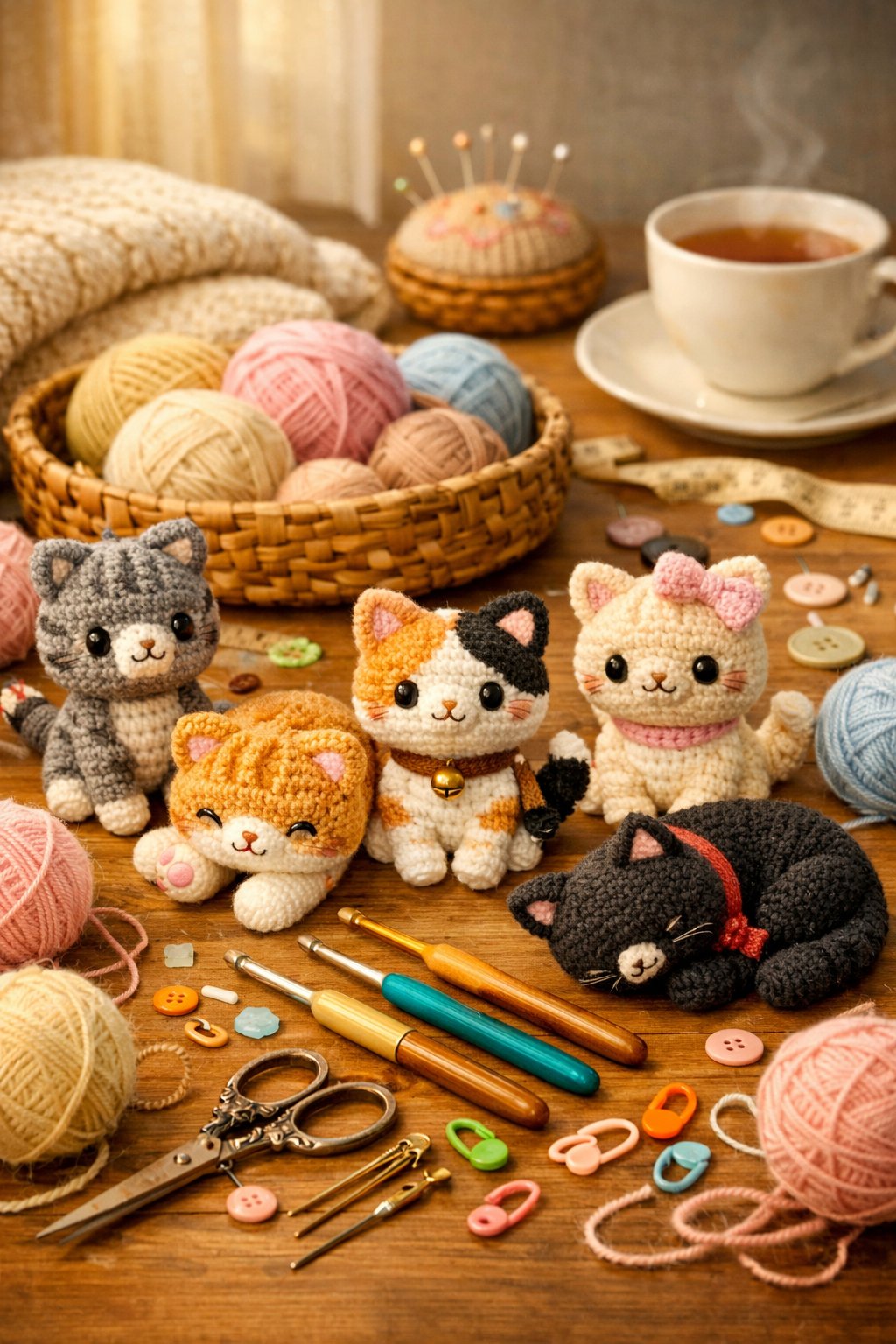
Small choices in stitch control, shaping, and finishing details define how a crochet cat looks and feels. Careful assembly and simple personal touches help turn a basic amigurumi into a clear cat shape with charm.
Techniques for Shaping and Assembly
Clean shaping starts with tight, even stitches to prevent gaps, especially when using safety eyes or stuffing. Most crochet cats use single crochet in the round, so steady tension matters more than speed.
Increase and decrease rows shape the head and body. Invisible decreases keep curves smooth and reduce bumps.
Key shaping tips:
- Use stitch markers to track rounds.
- Stuff firmly but not hard; overstuffing distorts the face.
- Shape parts with fingers before closing.
Assembly affects expression more than most expect. Eye placement sets the mood, while ear angle changes the cat’s personality. Sew limbs with the cat lying flat to keep balance and symmetry.
Personalizing Your Amigurumi Cats
Personal details give each crochet cat a clear identity. Color choices work first. Solid yarn looks clean, while speckled yarn adds texture without extra stitches.
Small add-ons make a big difference. Embroidery works better than plastic parts for young children.
Easy personalization ideas:
- Embroider whiskers with thin cotton thread
- Add stripes or patches using surface crochet
- Change tail length or curl for style
Accessories stay simple and light. Scarves, bows, or tiny collars add charm without hiding the cat’s shape. Many beginner-friendly cat patterns already suggest safe ways to customize, such as those found in easy crochet cat guides for beginners.