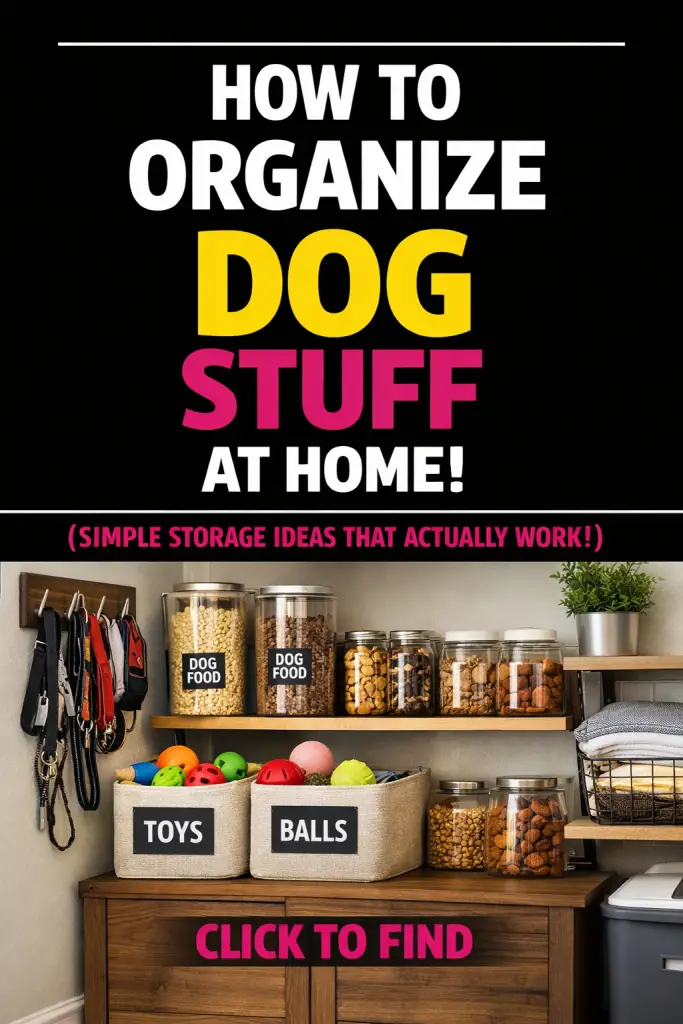
If your home sometimes feels like it’s being slowly taken over by leashes, squeaky toys, half-used treat bags, and mystery items from the pet store, you’re not alone. Dog stuff multiplies fast, and somehow it always ends up exactly where you don’t want it. I’ve been there, stepping on chew toys at 2 a.m. and wondering how a single dog owns more belongings than I do.
I learned the hard way that organizing dog stuff isn’t about being perfect, it’s about making life easier. Once I figured out a system that actually worked, everything changed. Walks were faster, cleanup was simpler, and my dog still had full access to their favorite things. Let’s talk through how you can make that happen too.
Why Organizing Dog Stuff Actually Matters
It’s easy to brush this off as a “nice-to-have,” but organization solves real problems. When dog supplies are scattered, you waste time and energy every single day. Over time, that adds up.
More importantly, clutter creates stress. You might not notice it right away, but piles of dog gear can make a space feel chaotic. A simple setup can instantly make your home calmer and more functional.
The Everyday Benefits You’ll Notice
Once things are organized, daily routines feel smoother. You stop hunting for essentials and start enjoying time with your dog more.
Some real-life perks include:
- Faster walks because leashes and harnesses are easy to grab
- Less mess when toys have a dedicated home
- Fewer duplicate purchases because you know what you already own
- Easier cleaning since items aren’t scattered everywhere
IMO, that alone makes organizing dog stuff worth the effort 😊
Take Inventory Before You Organize Anything
Before buying bins or rearranging shelves, pause. The smartest move is figuring out what you actually have. Dog supplies tend to hide in random places, so a full inventory matters.
Grab everything and put it in one spot. Yes, everything. Seeing it all together can be eye-opening, and slightly shocking.
Sort Dog Items Into Clear Categories
Break your pile into simple groups. This step sets the foundation for everything else.
Common categories include:
- Toys
- Leashes, harnesses, and collars
- Food, treats, and supplements
- Grooming supplies
- Training tools
- Health items like meds or wipes
Once sorted, it’s easier to decide what stays, what goes, and what needs a better home.
Declutter Like You Mean It
Be honest here. Does your dog actually play with that toy, or has it been ignored for months? Are there expired treats hiding in the back?
Get rid of:
- Broken or unsafe toys
- Items that no longer fit
- Expired food or products
- Duplicates you never use
Decluttering first makes organizing dog stuff way simpler.
Choose Storage That Fits Your Space
You don’t need a huge house or a dedicated pet room to stay organized. The key is choosing storage that works with the space you already have. Small adjustments can make a big difference.
Think in terms of accessibility. Items you use daily should be easy to reach. Seasonal or rarely used items can live higher up or farther away.
Storage Ideas That Actually Work
Some practical options include:
- Baskets for toys in living areas
- Wall hooks for leashes and harnesses
- Clear bins for food and treats
- Drawer dividers for grooming tools
Clear containers are especially helpful. You can see what’s inside at a glance, which saves time and frustration.
Vertical Space Is Your Best Friend
If floor space is limited, look up. Vertical storage keeps dog stuff organized without crowding your home.
Try:
- Over-the-door organizers
- Floating shelves
- Pegboards with hooks and baskets
FYI, vertical storage works wonders in apartments or small homes.
Create a Dedicated Dog Station
A dog station is a game-changer. It’s one central spot where essentials live, so you’re not running around the house every time you need something.
This doesn’t have to be fancy. A corner, cabinet, or small wall area works just fine.
What to Include in Your Dog Station
Keep only frequently used items here. The goal is convenience, not storage overload.
Must-haves often include:
- Leash and harness
- Poop bags
- Treat pouch or jar
- Wipes or towel
When everything has a home, habits form naturally. You’ll put items back without even thinking about it.
Smart Toy Organization That Keeps the Mess Down
Dog toys are usually the biggest clutter culprit. They end up under couches, in hallways, and sometimes in your bed. Organizing them properly makes cleanup easier and encourages better play habits.
The trick is limiting access while still keeping toys fun.
Rotate Toys Instead of Leaving Them All Out
Dogs get bored when everything is always available. Rotating toys keeps them interested and reduces clutter.
Here’s how it works:
- Keep a few toys out
- Store the rest in a bin or closet
- Swap them weekly
This method keeps toys feeling new and helps maintain order.
Train Your Dog to Help Clean Up
Yes, this is possible. Teaching your dog to put toys away is practical and fun.
Start simple:
- Use one toy bin
- Reward your dog for dropping toys inside
- Practice consistently
It won’t be perfect, but even partial success helps.
Organizing Dog Food and Treats the Right Way
Food storage is about more than neatness. It affects freshness, safety, and convenience. Leaving bags open or stacked awkwardly causes spills and stale food.
A little organization goes a long way here.
Use Airtight Containers for Food
Airtight containers keep food fresh and pests out. They also make measuring portions easier.
Tips to remember:
- Label containers with food type
- Keep scoops inside the container
- Store food in a cool, dry place
This setup looks cleaner and works better long-term.
Create a Treat System
Treats tend to multiply fast. Instead of tossing bags in a drawer, give them structure.
You can:
- Group treats by purpose
- Use small jars or bins
- Keep high-value treats separate
This makes training and rewards more intentional.
Keep Grooming Supplies Simple and Accessible
Grooming items are easy to lose track of because they’re used less often. Still, when you need them, you need them fast.
Organization here prevents last-minute scrambling before bath time.
Group Grooming Tools Together
Keep brushes, shampoos, nail clippers, and towels in one place. A small caddy or bin works well.
Helpful tips:
- Store near the bathroom or laundry area
- Keep towels folded and ready
- Toss empty bottles immediately
Consistency is what keeps this system working.
Manage Health and Training Items Carefully
Health-related supplies deserve special attention. You don’t want medications or training tools mixed in with toys.
Clear separation keeps everything safe and easy to find.
Store Health Items Securely
Medications, supplements, and first-aid supplies should be stored out of reach. Use labeled containers or a small box.
Include:
- Medications
- Flea and tick treatments
- Vet paperwork
Knowing exactly where these items are reduces stress during emergencies.
Organize Training Tools by Purpose
Training gear can pile up quickly. Keep only what you actively use within reach.
Examples include:
- Clickers
- Training treats
- Long leads
Retire items that no longer fit your dog’s needs.
Maintain Your System Without Overthinking It
The biggest mistake people make is creating a system that’s too complicated. If it’s hard to maintain, it won’t last.
The best organization systems feel almost invisible.
Build Simple Daily Habits
Small habits keep things under control without effort.
Try this:
- Put items back after use
- Do a quick weekly reset
- Declutter monthly
That’s it. No perfection required.
Adjust as Your Dog’s Needs Change
Dogs grow, routines shift, and supplies change. Your organization should evolve too.
Check in every few months and ask:
- Is this still working?
- Are items easy to access?
- Is clutter creeping back in?
Small tweaks keep everything running smoothly.
Make Organizing Dog Stuff Work for You
There’s no one-size-fits-all approach here. What matters is that your setup fits your lifestyle. A minimalist home and a busy family household will need different solutions.
Focus on functionality over aesthetics. A system that works is always better than one that just looks good.
Personalize Your Setup
Add labels, colors, or storage styles that make sense to you. When you like your system, you’re more likely to maintain it.
Remember, organization should support your life, not complicate it.
Final Thoughts on Organizing Dog Stuff
Organizing dog stuff doesn’t have to be overwhelming or time-consuming. With a little planning, smart storage, and realistic habits, you can keep everything under control. The result is a calmer home and smoother daily routines.
If you’ve been tripping over toys or searching for leashes one too many times, this is your sign to start. Pick one small area and tackle it today