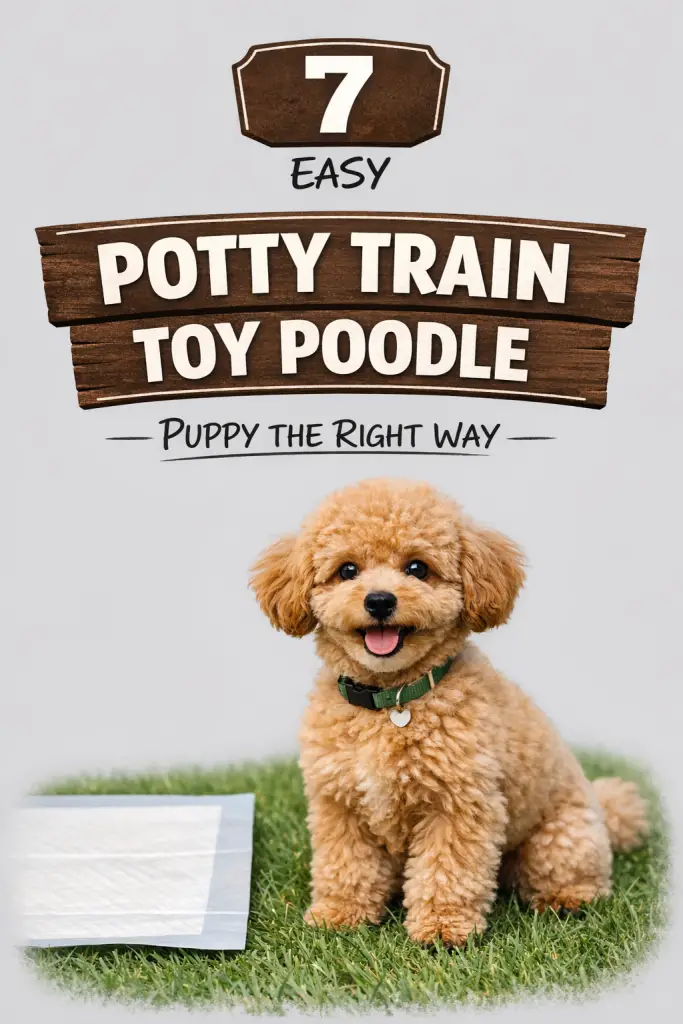
Let’s Talk Tiny Paws and Big Accidents
If you’ve just brought home a toy poodle puppy, let me guess—you’re already in love, slightly sleep-deprived, and wondering why something so small can produce so many accidents. Been there. When I first potty trained my toy poodle, I honestly thought I was failing every other day. Sound familiar?
The good news? Toy poodles are incredibly smart, which means potty training is 100% doable with the right approach. The not-so-good news? Their tiny bladders and sensitive nature mean you need patience, timing, and a solid plan. Let’s break this down together, friend to friend, so you can stop stressing and start seeing real progress.
Understanding How Toy Poodles Think
Why Toy Poodles Learn Fast (But Still Have Accidents)
Toy poodles are problem-solvers. IMO, that’s both a blessing and a curse during potty training. They catch patterns quickly, but they also get distracted just as fast. One moment they’re focused, the next they’re chasing dust.
Their small size plays a huge role too. A tiny bladder fills quickly, which means:
- They need to pee more often than larger dogs
- Holding it for long periods isn’t realistic early on
- Accidents are often about timing, not defiance
So if you’re asking yourself, “Why does my puppy still have accidents even though they’re smart?”—this is why.
Age Matters More Than You Think
Most toy poodle puppies:
- Can start potty training at 8 weeks
- Begin showing consistency around 12–16 weeks
- Gain better bladder control by 5–6 months
Until then, accidents are part of the process. FYI, expecting perfection too early only leads to frustration.
Setting Up the Right Potty Training Environment
Pick One Potty Method and Stick With It
Before you even start, decide where your toy poodle will potty:
- Outdoors only
- Pee pads only
- A mix of both (temporary pads, then outdoors)
Switching methods too often confuses puppies. Consistency builds confidence.
Create a Puppy-Friendly Potty Zone
Your potty area should be:
- Easy to access
- Always the same location
- Calm and distraction-free
If you’re using pee pads, place them:
- Away from food and sleeping areas
- On a non-slip surface
- In a quiet corner
This helps your puppy associate one spot with potty time.
Building a Potty Training Schedule That Actually Works
Timing Is Everything
Toy poodles thrive on routine. Take your puppy to potty:
- First thing in the morning
- After every meal
- After naps
- After playtime
- Right before bedtime
That can mean every 1–2 hours at first. Yes, it’s a lot—but it works.
Watch for Potty Signals
Your puppy might not bark or whine. Instead, look for:
- Sniffing the floor
- Circling
- Sudden wandering
- Squatting without warning
When you see these signs, move fast. Speed saves carpets.
Using Positive Reinforcement the Smart Way
Why Rewards Beat Punishment Every Time
Toy poodles are sensitive souls. Harsh reactions can:
- Create fear
- Slow learning
- Cause hidden accidents
Instead, reward success immediately. That means:
- Treats within 2 seconds
- Happy praise
- A calm, excited tone
Timing matters more than the reward itself.
Choose the Right Rewards
Use:
- Tiny soft treats
- Verbal praise
- Gentle petting
Avoid over-rewarding. You want potty success to feel good, not overwhelming.
Handling Accidents Without Losing Your Mind
Accidents Are Information, Not Failure
Let’s be real—accidents will happen. When they do:
- Stay calm
- Clean thoroughly
- Move on
Your puppy isn’t being stubborn. They’re learning.
Clean Like a Pro
Use an enzyme-based cleaner to remove scent markers. If your puppy smells old urine, they’re more likely to repeat the mistake.
Never:
- Rub their nose in it
- Yell or punish
- Act hours after the accident
Your puppy won’t connect the dots, and trust can suffer 😅.
Crate Training and Potty Training Go Hand in Hand
Why Crates Help (When Used Correctly)
Dogs naturally avoid soiling their sleeping area. A crate:
- Encourages bladder control
- Reduces roaming accidents
- Creates a safe routine
The crate should be:
- Just big enough to stand and turn
- Cozy, not spacious
- Never used as punishment
Crate Potty Timing Tips
Take your toy poodle to potty:
- Immediately after leaving the crate
- Before going back in
- After naps inside the crate
Crates aren’t magic—but paired with routine, they’re powerful.
Nighttime Potty Training for Toy Poodles
Managing Those Middle-of-the-Night Wakeups
Yes, toy poodles often need nighttime potty breaks early on. To survive this phase:
- Limit water 1–2 hours before bed
- Potty right before sleep
- Keep nighttime trips calm and boring
No play. No excitement. Just potty and back to bed.
When Do Nights Get Easier?
Most toy poodles sleep through the night by:
- 12–16 weeks (with consistency)
- Slightly longer if pad training indoors
Hang in there—it doesn’t last forever.
Transitioning From Pee Pads to Outdoors
Make the Change Gradually
If you plan to move outside later:
- Slowly move pads closer to the door
- Place pads outdoors temporarily
- Reward outdoor success heavily
Rushing this step can cause setbacks.
Reinforce the New Habit
Once outside becomes the main potty spot:
- Remove indoor pads
- Stick to a strict schedule
- Celebrate outdoor wins like they’re gold medals
Your puppy will follow your lead.
Common Potty Training Mistakes to Avoid
Mixed Signals Confuse Smart Puppies
Avoid these common traps:
- Letting accidents slide “sometimes”
- Changing potty spots often
- Missing key potty times
- Expecting adult control too soon
Consistency beats perfection every single time.
Over-Freedom Too Soon
Giving your puppy full house access early leads to accidents. Use:
- Baby gates
- Playpens
- Supervised freedom only
Earned freedom = fewer messes.
When to Worry (And When Not To)
Normal vs. Concerning Behavior
Normal:
- Occasional accidents
- Missed signals
- Regression during growth phases
Check with a vet if you notice:
- Constant accidents despite training
- Pain while peeing
- Sudden changes after progress
Health matters just as much as training.
Conclusion: You’ve Got This (Seriously)
Potty training a toy poodle puppy isn’t about being perfect—it’s about being patient, consistent, and kind. With a solid routine, positive reinforcement, and realistic expectations, your puppy will get there. Trust me, I’ve wiped enough floors to prove it.
So take a deep breath, laugh off the accidents, and celebrate the small wins. One day soon, you’ll realize your tiny poodle has mastered a very big life skill. And when that happens? You’ll feel ridiculously proud. 🐩