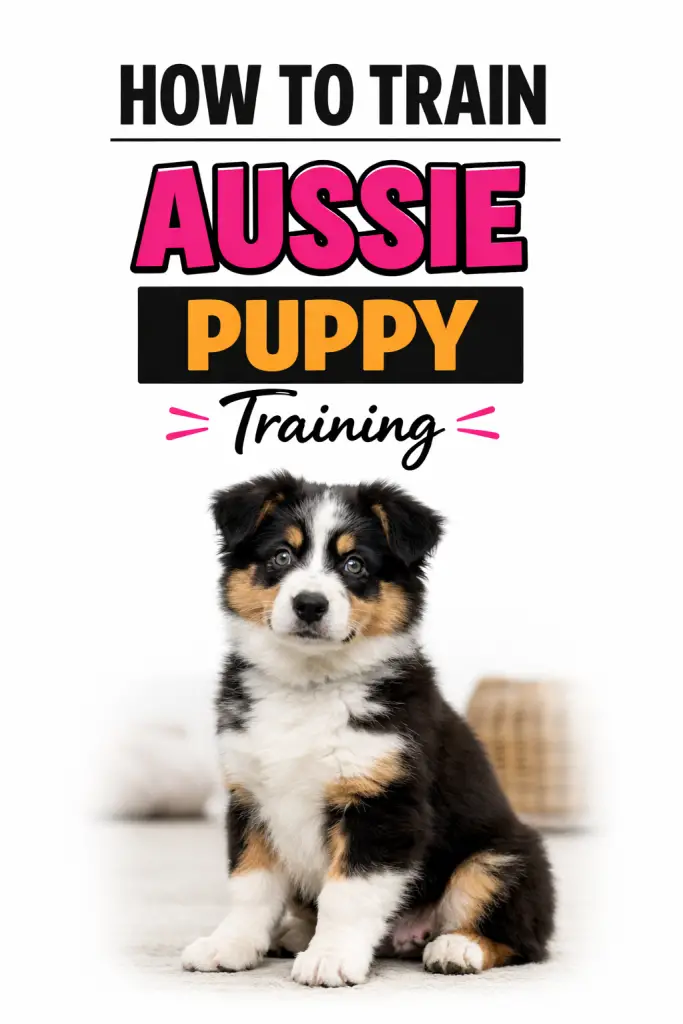
Welcome to Life With an Aussie (Buckle Up)
So you just brought home an Australian Shepherd puppy, and now you’re wondering, “Why does this tiny fluff ball have the energy of a professional athlete?” Trust me, you’re not alone. Aussies are brilliant, beautiful, and wildly energetic—basically the overachievers of the dog world.
I remember training my first Aussie puppy and thinking I was prepared. I was not. Within days, I learned that this breed doesn’t just want training—they need it to stay sane (and keep your furniture alive). The good news? If you train them the right way from the start, Aussies become some of the most loyal, well-mannered dogs you’ll ever meet.
Let’s walk through this together, friend-to-friend, and turn that whirlwind puppy into a confident, happy, well-trained companion.
Understanding Your Aussie Puppy’s Mindset
Why Aussies Are Different (In a Good Way)
Australian Shepherds were bred to work. Herding livestock all day takes intelligence, stamina, and focus, and that wiring is still very much alive in your puppy.
That means:
- They learn fast
- They get bored fast
- They notice everything
IMO, this is both their superpower and their biggest challenge. If you don’t guide that brain, your Aussie will find their own job—and you probably won’t like it.
What Your Puppy Really Needs
Before jumping into commands, understand this: training isn’t just about obedience. It’s about meeting your puppy’s mental and physical needs.
Your Aussie puppy craves:
- Mental stimulation
- Clear structure
- Positive interaction
- Consistency
Once those are in place, training becomes way easier.
Starting Training the Moment You Get Home
Why Early Training Matters So Much
FYI, Aussie puppies are learning from day one—even when you’re not actively teaching them. Every interaction shapes their behavior.
The first few weeks set the tone for:
- How they respond to people
- How they handle frustration
- How confident they feel in new situations
Waiting “until they’re older” is one of the biggest mistakes new Aussie owners make.
Establishing Simple House Rules
Keep it simple at first. Puppies thrive on clarity.
Decide early:
- Where your puppy is allowed to sleep
- Which rooms are off-limits
- What behaviors are rewarded
Consistency from everyone in the house is key. Mixed signals confuse smart dogs like Aussies.
House Training an Aussie Puppy Without Losing Your Mind
Potty Training Basics That Actually Work
Good news: Aussies are quick learners. Bad news: they’re also sneaky.
Stick to a predictable routine:
- Take your puppy out after waking up
- After eating or drinking
- After playtime
- Right before bed
Use one potty spot and praise like you just won the lottery when they get it right.
Common Potty Training Mistakes
Avoid these rookie errors:
- Punishing accidents (it just creates fear)
- Waiting too long between potty breaks
- Skipping supervision indoors
If accidents happen—and they will—clean thoroughly and move on. Your puppy isn’t being “bad.”
Teaching Basic Commands the Aussie Way
The First Commands to Focus On
Start with commands that build communication and control:
- Sit
- Down
- Come
- Leave it
- Stay
Keep sessions short—5 to 10 minutes max. Aussies love learning, but puppies still have baby attention spans.
How to Make Training Stick
Here’s what works best:
- High-value treats
- Happy, upbeat tone
- Clear hand signals
- Immediate rewards
End every session on a win. That keeps your puppy excited for the next one.
Managing That Endless Aussie Energy
How Much Exercise Is Enough?
A tired Aussie is a well-behaved Aussie—but don’t overdo it with a puppy.
Safe exercise ideas:
- Short walks
- Gentle fetch
- Supervised free play
- Basic agility-style movement at home
Avoid long runs or hard jumping until their joints mature.
Mental Exercise Is Just as Important
Mental work drains energy faster than physical exercise.
Try:
- Puzzle toys
- Snuffle mats
- Hide-and-seek games
- Learning new tricks
Ten minutes of brain work can calm an Aussie more than a long walk.
Socializing Your Aussie Puppy the Right Way
Why Socialization Is Non-Negotiable
Aussies can be reserved or protective if they aren’t properly socialized. Early exposure helps them grow into confident adults.
Expose your puppy to:
- Different people
- Friendly dogs
- New sounds
- Various environments
Keep experiences positive and pressure-free.
Reading Your Puppy’s Signals
Watch for signs of stress:
- Tail tucked
- Freezing
- Excessive yawning
- Avoidance
If you see these, slow down. Confidence grows with gentle encouragement, not force.
Stopping Nipping and Herding Behaviors Early
Why Aussie Puppies Nip
That ankle-nipping habit? It’s instinct, not aggression. Aussies are herders, after all.
Still, it’s a behavior you must address early.
How to Redirect the Behavior
What works:
- Redirecting to toys
- Stopping play immediately when nipping happens
- Teaching “leave it”
- Rewarding calm behavior
Never encourage chasing or rough play with hands. It sends mixed messages.
Crate Training for Structure and Calm
Why Crate Training Helps Aussies
A crate isn’t punishment—it’s a safe space. For high-energy dogs, it teaches calm and independence.
Benefits include:
- Easier house training
- Better sleep routines
- Reduced anxiety
- Safer downtime
Making the Crate a Positive Place
Keep it cozy:
- Soft bedding
- A favorite toy
- Treats for going inside
Never use the crate as a timeout for bad behavior. You want your puppy to love it.
Preventing Common Aussie Behavior Problems
Boredom Is the Real Enemy
Most “bad behavior” in Aussies comes from unmet needs.
Signs of boredom:
- Chewing everything
- Excessive barking
- Digging
- Zoomies that never end
The fix isn’t punishment—it’s more structure and stimulation.
Consistency Beats Perfection
You don’t have to be a perfect trainer. You just need to be consistent.
Stick to:
- The same commands
- The same rules
- The same reward system
Your Aussie will meet you halfway.
Building a Lifelong Bond Through Training
Training Is About Trust
Training isn’t just teaching commands—it’s building communication. Your puppy learns that listening to you brings good things.
Over time, you’ll notice:
- Better focus
- Stronger recall
- A deeper bond
That’s the magic of training done right.
Keep Learning Together
As your puppy grows, keep challenging them:
- Advanced obedience
- Agility
- Trick training
- Scent work
Aussies love having a job. Give them one, and they’ll shine.
Conclusion: You’ve Got This (Seriously)
Training an Aussie puppy is a wild ride, but it’s also incredibly rewarding. With early training, consistent routines, mental stimulation, and positive reinforcement, you’re setting your puppy up for a lifetime of success.
Remember, progress beats perfection. Laugh at the mistakes, celebrate the small wins, and enjoy the journey. One day, you’ll look at your well-trained Aussie and think, “Wow… we actually did this.”
So take a deep breath, grab those treats, and start today. Your Aussie puppy is ready—and honestly, they’re counting on you 😉