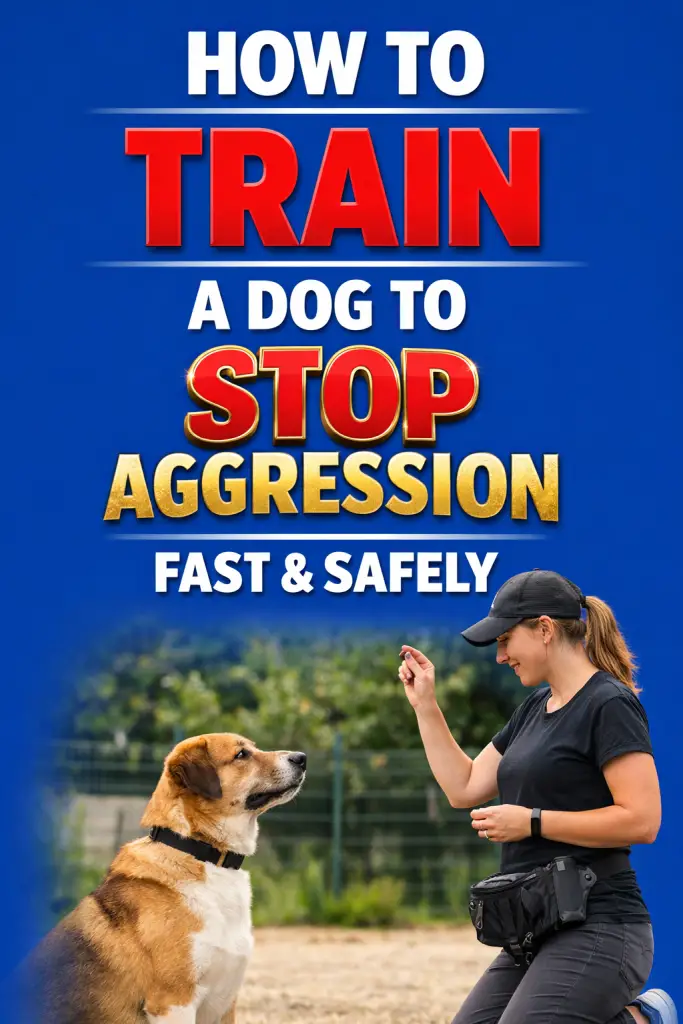
Let’s Talk About the Elephant (or Growling Dog) in the Room
If you’re here, chances are you’re dealing with a dog that growls, snaps, lunges, or just feels on edge way too often. And yeah—that’s stressful. I’ve been there myself, standing at the end of a leash wondering, “Why is my dog acting like this, and did I mess something up?”
Aggression can feel scary, embarrassing, and overwhelming all at once. But here’s the good news: most aggressive behavior is fixable when you understand where it’s coming from and how to respond the right way. This isn’t about “dominating” your dog or forcing obedience. It’s about communication, trust, and consistency—and we’re going to walk through it together, step by step.
Understanding Why Dogs Become Aggressive in the First Place
Aggression Is a Symptom, Not the Problem
One of the biggest mindset shifts you can make is this: dogs aren’t aggressive “just because.” Aggression is almost always a reaction to something else. Fear, anxiety, confusion, or pain are usually the real culprits.
Think about it—if you felt threatened and didn’t speak the language, wouldn’t you lash out too? IMO, this perspective alone changes how you approach training.
Common Triggers You Should Know About
Aggression usually falls into a few predictable categories. Identifying which one applies to your dog is huge.
- Fear-based aggression (the most common)
- Territorial aggression toward strangers or other dogs
- Resource guarding food, toys, or people
- Leash reactivity caused by frustration or anxiety
- Pain-induced aggression from injuries or health issues
FYI, many dogs show more than one of these at the same time.
Start With Safety Before You Start Training
Management Comes Before Modification
Before you try to “fix” anything, you need to prevent situations where aggression explodes. Training doesn’t work when everyone is stressed or scared.
That might mean temporarily avoiding dog parks, busy streets, or visitors. This isn’t giving up—it’s setting your dog up to succeed.
Simple Safety Steps That Matter
Use practical tools to keep everyone safe while training is in progress:
- A sturdy leash and well-fitted harness
- Muzzle training (done positively, not as punishment)
- Clear boundaries at home
- Controlled environments with fewer triggers
Safety isn’t failure—it’s responsibility.
Building Trust: The Foundation of Non-Aggressive Behavior
Why Trust Changes Everything
Aggressive dogs are usually insecure dogs. When your dog trusts you to handle situations, they feel less pressure to react.
Your goal is to become your dog’s calm, predictable leader—not through force, but through consistency.
Everyday Ways to Build Trust
Trust isn’t built in dramatic moments. It’s built daily.
- Keep routines predictable
- Reward calm behavior often
- Avoid yelling, leash jerks, or punishment
- Follow through on cues every time
Dogs thrive on clarity. When they know what to expect, they relax.
Reading Your Dog’s Body Language Like a Pro
Early Signals Most Owners Miss
Aggression doesn’t start with biting. Dogs give tons of warning signs first. The problem? We often ignore them.
Watch closely for:
- Stiff posture or frozen movement
- Whale eye (seeing the whites of the eyes)
- Lip licking or yawning when stressed
- Ears pinned back or tail held high and rigid
Catching these signals early lets you intervene before things escalate.
Respect the Growl (Yes, Really)
A growl is communication. Punishing it just teaches your dog to skip the warning next time. And that’s dangerous.
Instead of reacting emotionally, ask yourself: What made my dog feel this way?
Teaching Calm Behavior Through Positive Reinforcement
Why Punishment Backfires With Aggression
Punishment might suppress behavior temporarily, but it adds fear—and fear fuels aggression. That’s why modern training focuses on positive reinforcement.
You’re not “spoiling” your dog. You’re teaching them better choices.
Reinforce What You Want to See More Of
Dogs repeat behaviors that work. Make calm behavior rewarding.
- Treats for relaxed body language
- Praise for choosing to disengage
- Rewards for eye contact instead of reacting
Timing matters. Reward immediately when your dog stays calm around a trigger.
Desensitization and Counterconditioning Explained Simply
Changing Emotional Responses, Not Just Behavior
This is where real transformation happens. Desensitization means exposing your dog to triggers at a level they can handle. Counterconditioning means pairing that exposure with something positive.
Over time, your dog stops thinking “threat” and starts thinking “oh, good things happen here.”
How to Do It Without Rushing
Take it slow. Seriously.
- Start far away from the trigger
- Reward calm behavior
- Gradually decrease distance over days or weeks
- Stop before your dog reacts
Progress isn’t linear. Some days will feel like setbacks—and that’s normal 🙂
Teaching Essential Obedience Skills That Reduce Aggression
Obedience Isn’t About Control—It’s About Clarity
Basic cues give your dog a job to focus on when they’re unsure. That alone can reduce reactive behavior.
Key skills to work on consistently:
- Sit and down for impulse control
- Stay to build patience
- Leave it to redirect attention
- Look at me for focus under stress
Practice these in calm environments first, then slowly add distractions.
Managing Leash Reactivity Like a Calm Human
Why the Leash Makes Aggression Worse
Leashes restrict movement, which increases frustration. Add tension from the handler, and boom—reactivity skyrockets.
Loose leash = calmer dog. It’s that simple.
Smarter Walking Strategies
- Avoid tight leash tension
- Change direction before your dog reacts
- Create distance instead of forcing encounters
- Reward calm check-ins constantly
Walks should feel boring—in a good way.
The Role of Exercise and Mental Stimulation
A Tired Dog Is a Better-Learning Dog
Under-stimulated dogs have extra energy that often turns into bad decisions. Physical and mental outlets matter more than people realize.
This doesn’t mean endless running. It means balanced stimulation.
Easy Ways to Burn Energy Productively
- Sniff walks instead of speed walks
- Food puzzles and enrichment toys
- Short training sessions throughout the day
- Nose work or scent games
Mental fatigue is often more powerful than physical exhaustion.
When to Bring in a Professional Trainer or Behaviorist
Knowing Your Limits Is Strength, Not Weakness
Some aggression cases are complex. And that’s okay. If your dog has bitten or nearly bitten, get professional help.
Look for trainers who use force-free, evidence-based methods. Avoid anyone promising instant fixes.
What a Good Professional Will Do
- Assess triggers and environment
- Create a customized training plan
- Coach you, not just the dog
- Focus on long-term behavior change
Training is a team effort.
Mistakes That Slow Progress (We’ve All Made Them)
Common Errors to Avoid
Even well-meaning owners can accidentally make things worse.
- Moving too fast with exposure
- Inconsistent rules
- Punishing warning signs
- Expecting perfection too soon
Progress happens in inches, not leaps.
Staying Patient When Progress Feels Slow
Real Talk: This Takes Time
Aggression doesn’t disappear overnight. But small wins add up. A calmer glance. A shorter reaction. A quicker recovery.
Celebrate those moments. They matter.
Your dog isn’t giving you a hard time—they’re having a hard time. Keep that perspective, and patience comes easier.
Conclusion: Calm Dogs Are Built, Not Forced
Training a dog to not be aggressive isn’t about control—it’s about understanding, trust, and guidance. When you manage triggers, reinforce calm behavior, and move at your dog’s pace, real change happens.
You don’t need to be perfect. You just need to be consistent. Start small, stay patient, and don’t be afraid to ask for help when you need it.
And one day, you’ll look back and realize that growling dog taught you more about empathy than you ever expected. Now that’s a win worth working for.