If your Goldendoodle’s coat looks different than it did six months ago, you are not imagining things. Color change in Goldendoodles is one of the most common surprises new doodle owners experience.
Understanding why this happens helps you know what is normal and what might signal a health concern. A coat that fades dramatically at age two is completely different from sudden patchy color loss.
This article explains exactly why Goldendoodles change color, which shades fade the most, and what you can do to keep your dog’s coat looking its best.
Do Goldendoodles Change Color as They Age?
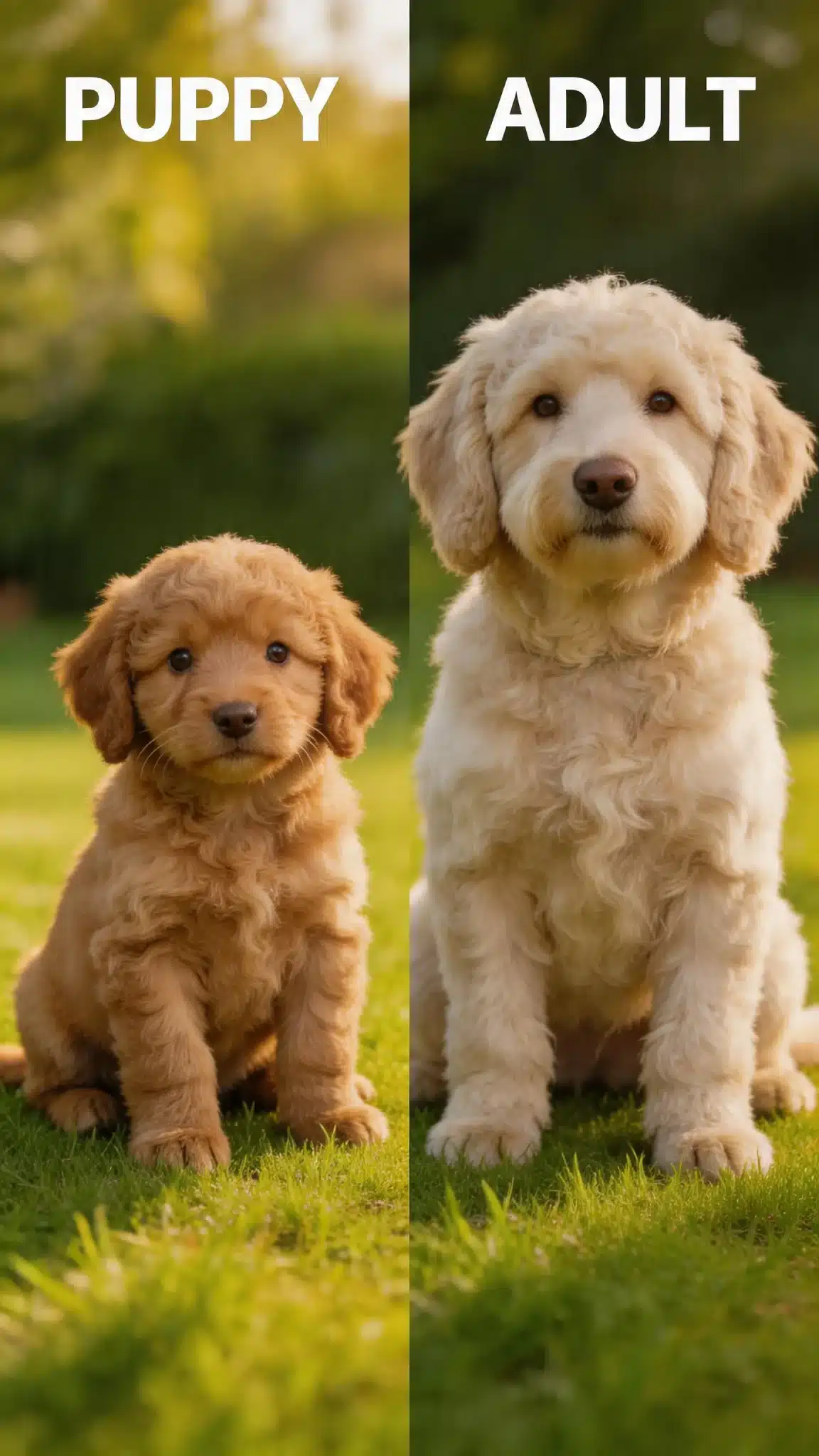
Yes, most Goldendoodles change color significantly between puppyhood and adulthood. This fading is genetic and completely normal in this breed.
- Color change typically begins between 6 and 18 months of age
- Apricot and red Goldendoodles fade the most dramatically
- Chocolate coats often lighten to a café-au-lait shade
- Black Goldendoodles may develop silver or gray tones
- The Poodle parent is the main source of the fading gene
- Full adult color usually settles by age two or three
- Sun exposure can speed up lightening in any color
Why Goldendoodle Color Changes Happen
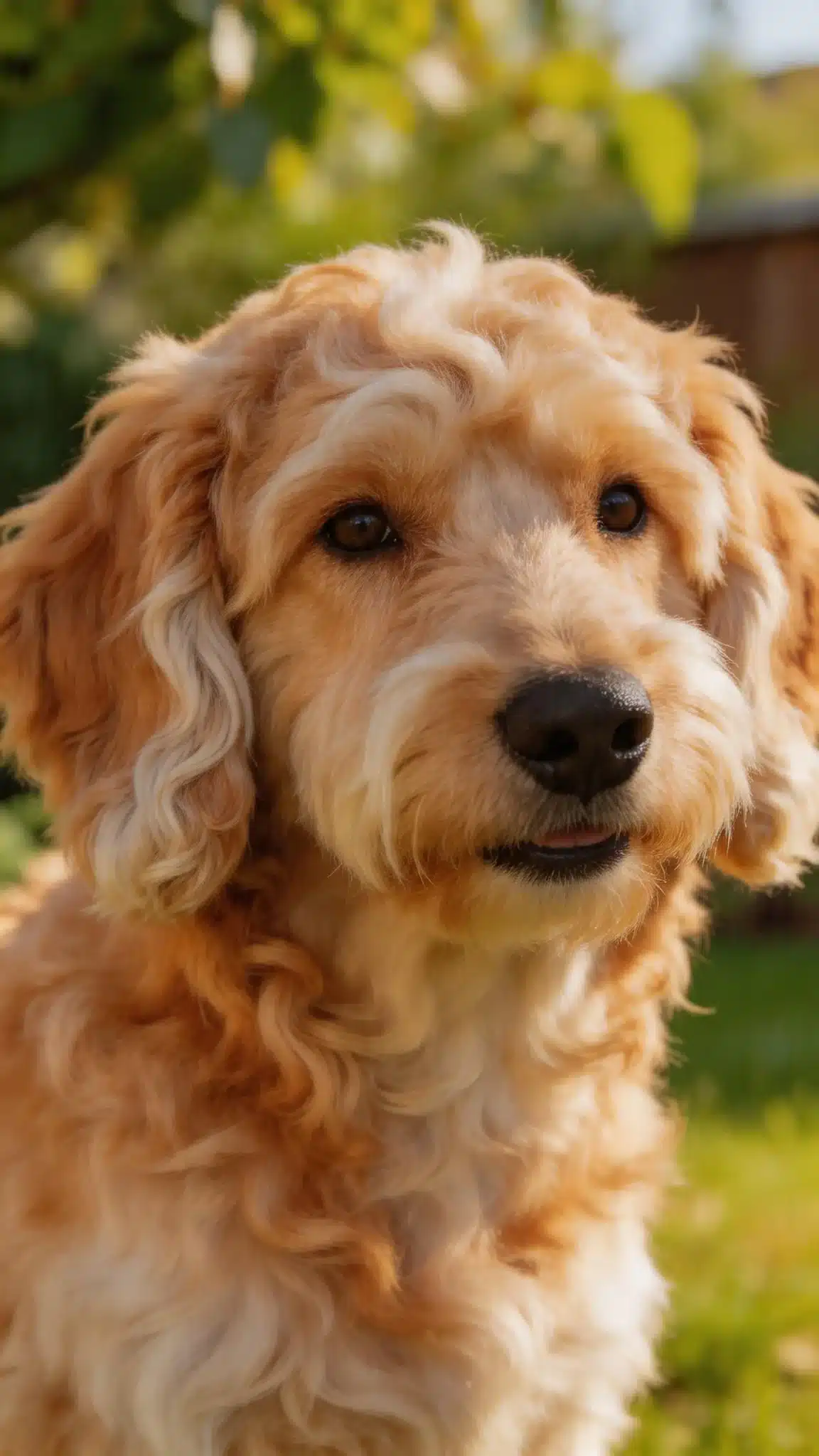
The fading gene — scientifically called the progressive graying gene — comes directly from the Poodle side of your dog’s family. Poodles are famous for this trait, and Goldendoodles inherit it at high rates.
This gene causes pigment cells called melanocytes to produce less color over time. The more Poodle genetics your dog carries, the more likely significant fading becomes.
The Role of Generation in Color Fading
An F1 Goldendoodle is 50% Poodle and 50% Golden Retriever. An F1B is 75% Poodle, which means a much higher chance of noticeable color change.
In our experience, F1B and F2B Goldendoodles tend to show the most dramatic fading by their second birthday. If your breeder cannot tell you the generation of your dog, a DNA test can help clarify the genetics.
Sun Exposure and Coat Fading
UV rays break down pigment in your dog’s fur just like they bleach human hair. Dogs who spend several hours outdoors daily may fade faster than indoor-heavy dogs of the same litter.
Using a dog-safe leave-in conditioner with UV protection can slow sun-related fading. A quality dog UV leave-in conditioner is worth adding to your grooming routine if your doodle loves outdoor time.
🛒 Products Our Readers Use Every Day
👉 Glucosamine & Chondroitin Chews for Dogs
Which Goldendoodle Colors Fade the Most
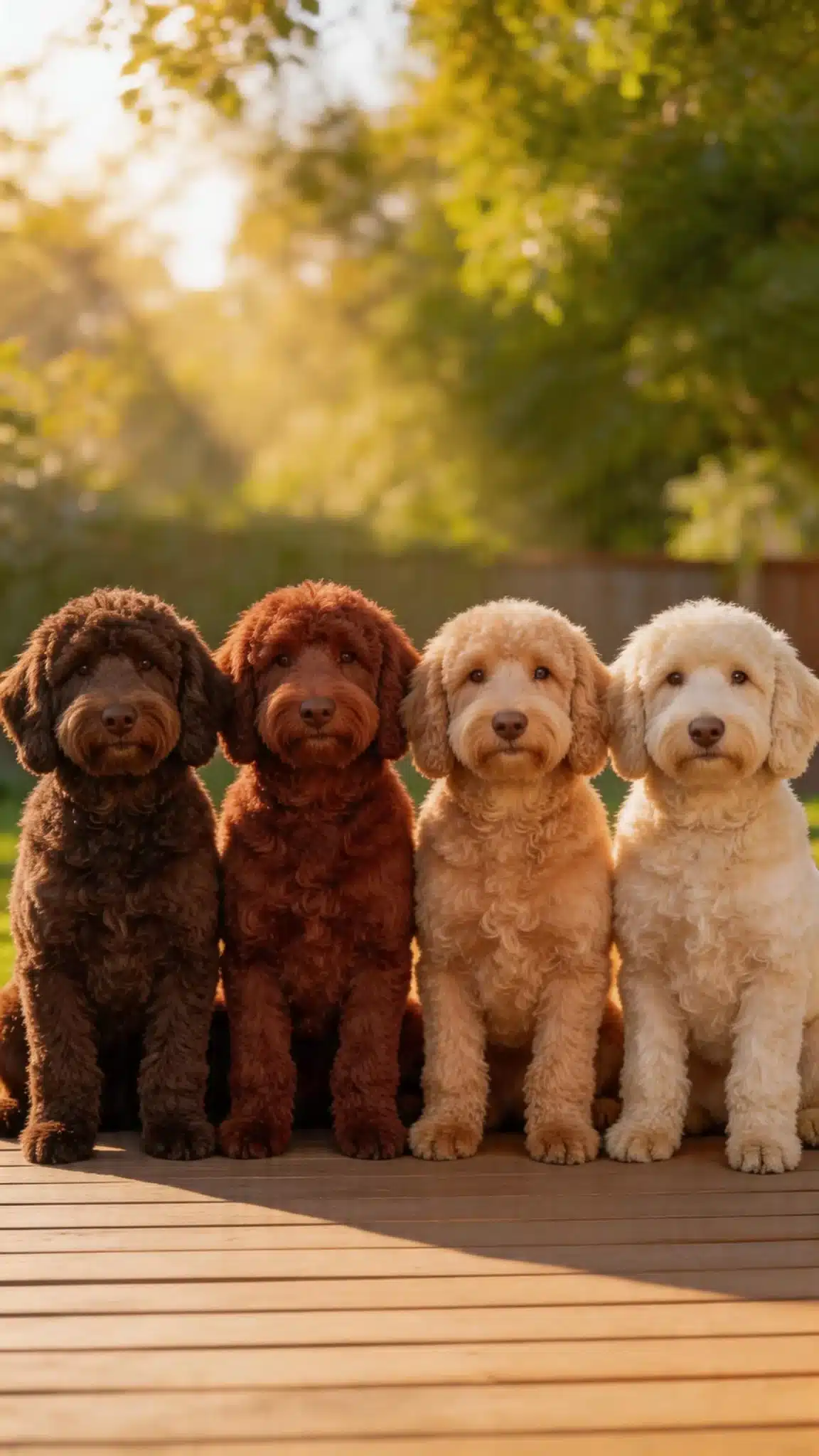
Not every color fades equally, and knowing your dog’s starting shade gives you a good idea of what to expect. Some colors stay relatively stable while others transform completely.
Many of our readers tell us they were shocked when their deep red puppy turned a pale cream by age two. This is one of the most common color journeys in the breed.
Apricot and Red
These are the fastest-fading shades in Goldendoodles. A rich apricot puppy can lighten to almost white or light cream within 18 months.
A reader named Jessica shared that her red Goldendoodle, Maple, went from a vibrant auburn at 8 weeks to a soft champagne color by her second birthday. The transformation was beautiful but completely unexpected.
Chocolate and Café-au-Lait
Chocolate Goldendoodles often fade to a warm, lighter brown called café-au-lait. This shift usually happens gradually and looks elegant on most dogs.
The nose and eye rims may also lighten along with the coat, which is a normal part of the same genetic process. Building on what we covered about the fading gene, chocolate fading follows the exact same pigment reduction pathway.
Black and Parti Colors
Black Goldendoodles can develop silver, gray, or blue-toned fur as they age. Parti-colored dogs may see their darker patches fade while lighter areas stay consistent.
If your black doodle starts showing silver around the muzzle and paws first, that pattern is completely typical. Most black doodles show noticeable change by age three.
What Is Clearing vs. Fading?

Clearing and fading are two different processes that both affect coat color. Clearing happens early, usually before 12 months, while fading continues gradually over years.
Clearing is when a puppy’s darker birth coat gives way to its true adult color. Fading is the ongoing lightening that happens after that adult color is established.
How to Tell the Difference
During clearing, you will often see a two-toned look as new growth comes in lighter at the roots. During fading, the entire coat shifts uniformly over time.
We have seen this consistently in puppies who look almost black at birth but reveal a beautiful silver or blue tone by 12 months. This early stage clears quickly, while true fading is a lifelong, slower process.
🛒 Vet-Recommended Wellness Picks
👉 Dog Probiotic & Prebiotic Powder
Keeping Your Goldendoodle’s Coat Healthy Through Color Changes
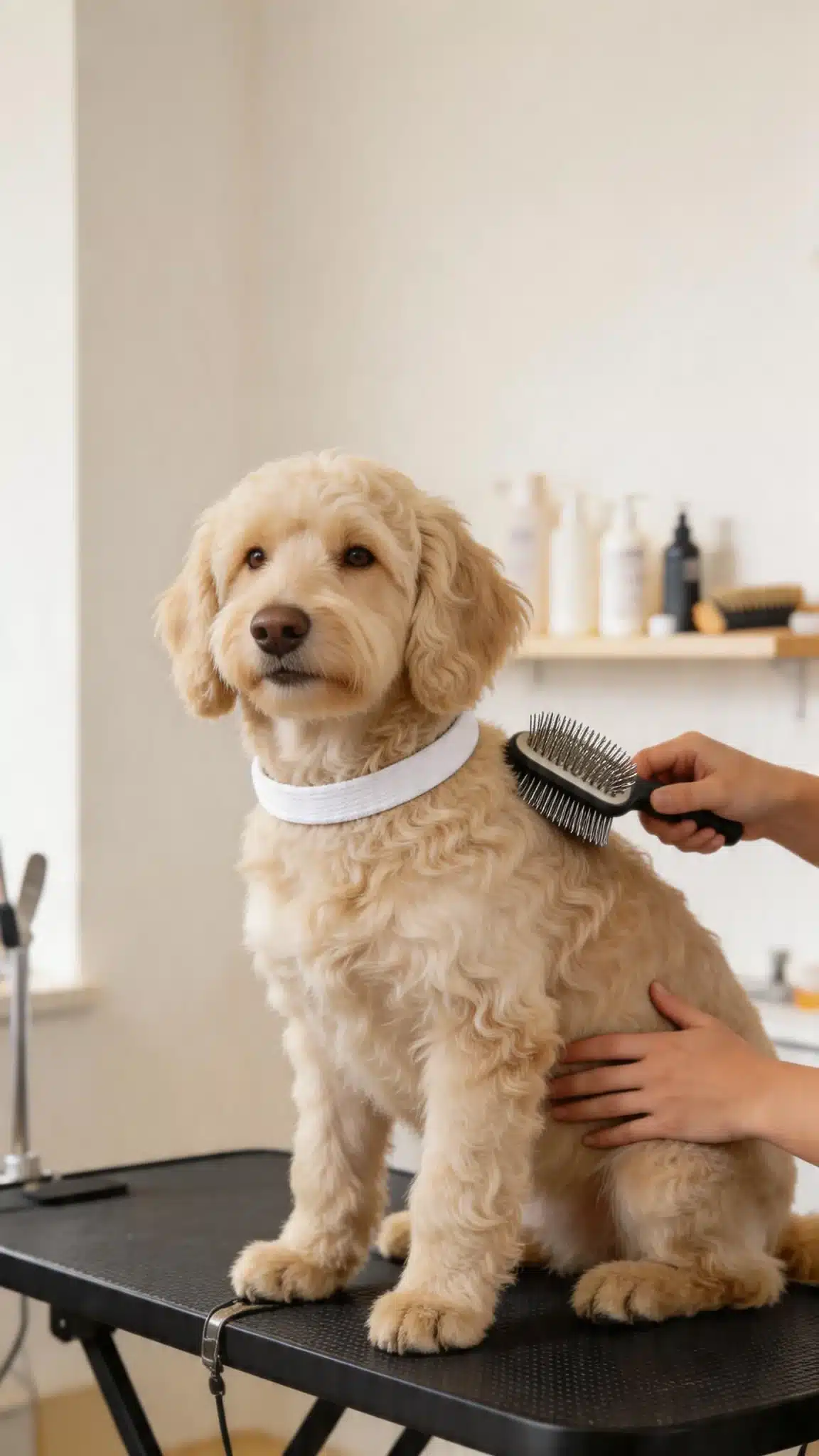
Color change itself does not damage the coat, but neglecting grooming during this period can cause real problems. Regular care keeps the fur soft, tangle-free, and healthy no matter what shade it turns.
Good nutrition also plays a role in how vibrant your dog’s coat looks. What you feed your dog directly affects the quality of their fur pigmentation and shine.
Nutrition and Coat Color
A diet rich in omega-3 fatty acids supports healthy pigment production and coat gloss. Check out guidance on what kind of kibble is best for your Poodle puppy to find nutrient-dense options that also benefit Goldendoodles.
Supplements like fish oil can add visible shine even as color naturally lightens. A dog omega-3 fish oil supplement is one of the easiest additions to your dog’s daily routine.
Grooming Practices That Protect the Coat
Detangling regularly prevents matting, which damages the hair shaft and makes fading look worse than it is. The right tools make a huge difference for doodle coats specifically.
Check out the best detanglers for Goldendoodles to find products designed for this coat type. A good slicker brush for Goldendoodles used three to four times per week keeps the coat in top shape.
After grooming sessions, watch for any skin irritation and address it quickly. Our guide on how to deal with your dog’s itchy skin after grooming covers exactly what to do if your doodle reacts to a new product.
When Color Change Might Signal a Health Issue
Most color changes in Goldendoodles are purely cosmetic and genetic. However, certain types of color loss can point to an underlying condition worth checking with your vet.
As the fading gene section showed, gradual uniform lightening is normal. Patchy, uneven, or sudden color loss is a different situation entirely.
Signs Worth a Vet Visit
Watch for these warning signs that go beyond normal fading:
- Patchy bald spots or missing fur alongside color change
- Skin that looks red, scaly, or irritated under the coat
- Very rapid color loss happening over days, not months
- Color change paired with lethargy, weight change, or appetite loss
- White patches that appear suddenly on a previously solid-colored coat
Conditions like hypothyroidism or vitiligo can cause coat changes in dogs. Your vet can rule these out with a simple blood panel if something feels off.
Expert Insights on Goldendoodle Color Change
Dr. Marty Becker, a well-known veterinary expert and author, notes that progressive graying in Poodle-mix breeds is one of the most frequently misunderstood coat traits he sees in practice. He emphasizes that fading is almost always cosmetic and not a sign of illness.
The Goldendoodle Association of North America (GANA) confirms that the fading gene is dominant and that most multi-generation Goldendoodles will show visible coat color change by age two. Knowing this before you bring a puppy home sets realistic expectations.
In our experience, owners who understand fading ahead of time enjoy the color journey instead of worrying about it. A dog coat genetics guide can be a fascinating read if you want to go deeper into the science.
Frequently Asked Questions About Do Goldendoodles Change Color? What to Expect as Your Doodle’s Coat Fades
At What Age Do Goldendoodles Start Changing Color?
Most Goldendoodles begin showing color change between 6 and 18 months old. Full adult color usually settles by age two or three.
Will My Apricot Goldendoodle Turn White?
Many apricot Goldendoodles do fade to a very light cream or near-white shade by adulthood. The final color depends on how strongly your dog inherited the fading gene.
Can I Prevent My Goldendoodle’s Coat from Fading?
You cannot stop genetic fading, but you can slow sun-related lightening with UV-protective grooming products. Good nutrition also helps maintain coat vibrancy as long as possible.
Do All Goldendoodles Change Color?
Not all Goldendoodles fade, but the majority do experience some degree of color shift. Dogs with more Poodle genetics are more likely to show significant fading.
Is a Fading Coat a Sign My Goldendoodle Is Sick?
Gradual, even fading is almost always genetic and not a health concern. Sudden, patchy, or uneven color loss paired with other symptoms warrants a vet visit.
Does the Color Change Affect the Coat’s Texture?
The fading gene affects pigment only and does not directly change coat texture. However, age, grooming habits, and nutrition all influence how soft and healthy the fur feels.
Embrace the Change — Your Doodle Is Still Perfect
Goldendoodle color change is one of the most predictable surprises in dog ownership, and knowing what drives it puts you completely in control of your expectations. Genetic fading is normal, gradual, and usually beautiful.
Start by checking your dog’s generation with your breeder or a dog DNA test kit so you can predict how much change to expect. Whatever shade your doodle settles into, consistent grooming and great nutrition will keep that coat looking gorgeous for years to come.