You can help a dog with arthritis walk more comfortably using natural methods like joint supplements, low-impact exercise, weight management, and simple home modifications. Many dogs show meaningful improvement within 4–8 weeks when several of these strategies are combined.
If your dog has started limping, hesitating on stairs, or rising slowly from rest, arthritis is likely the cause. Knowing which natural ways to help a dog with arthritis walk comfortably again are backed by evidence — and which are mostly hype — saves time and gets your dog moving sooner. For poodles and other active breeds, you can learn more about how far dogs can walk safely at different life stages to set realistic expectations.
What Are the Best Natural Ways to Help a Dog With Arthritis?
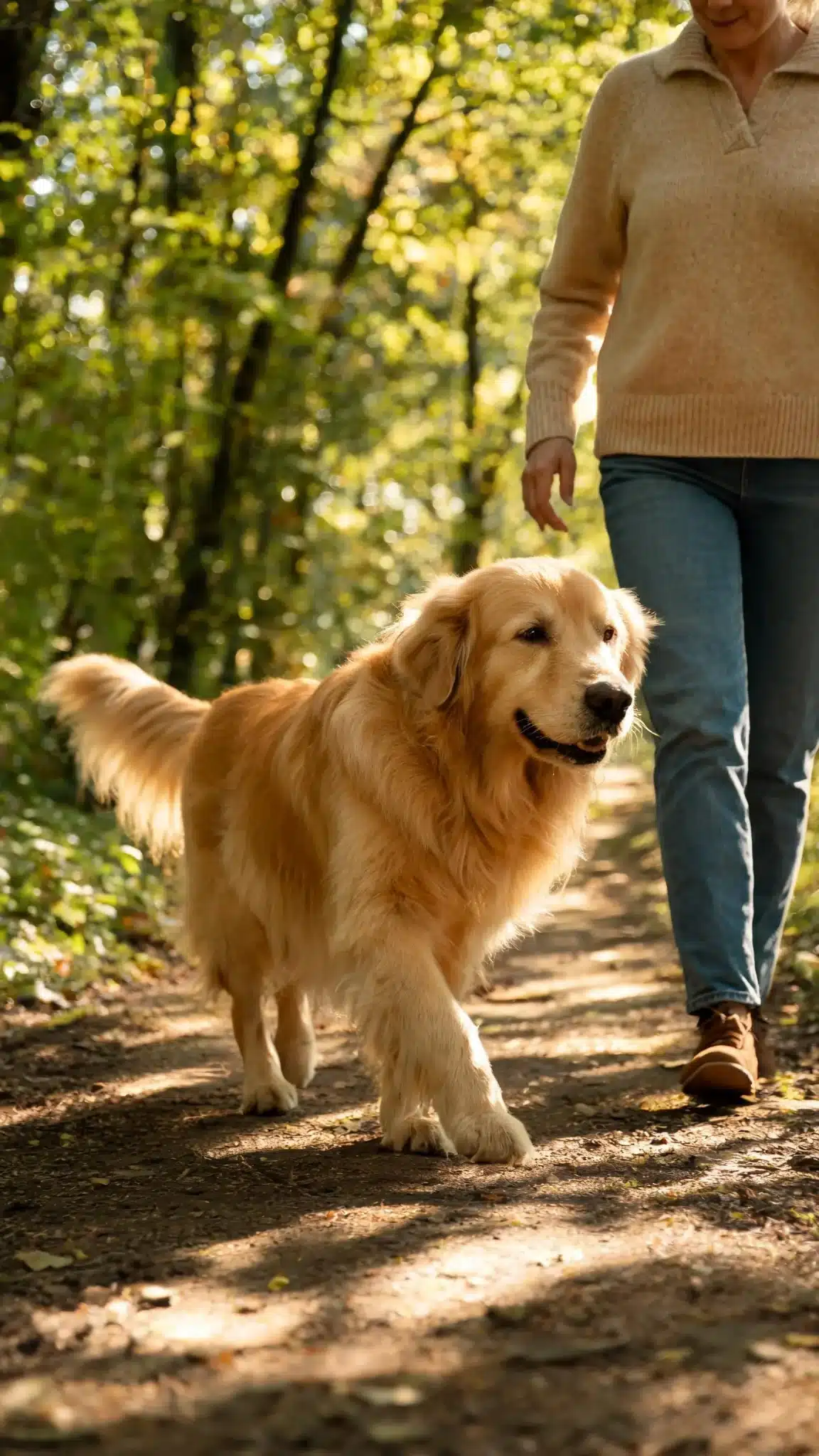
The most effective natural approach combines omega-3 fatty acid supplementation, controlled low-impact exercise, and weight reduction — all supported by veterinary research. These three changes alone can reduce visible lameness in 60–80% of arthritic dogs within 6–8 weeks, according to data reviewed by the American Veterinary Medical Association (AVMA).
- Omega-3 (fish oil): 20–55 mg EPA/DHA per pound of body weight daily
- Weight loss: even a 6–9% body weight reduction reliably improves gait
- Short walks: 10–15 minutes, 2–3 times daily instead of one long walk
- Warm bedding: reduces morning joint stiffness within days
- Glucosamine: 500–1,000 mg daily for medium dogs (45–65 lbs)
- Hydrotherapy: water treadmill sessions 2 times per week show measurable results in 3–4 weeks
Dog Arthritis at a Glance
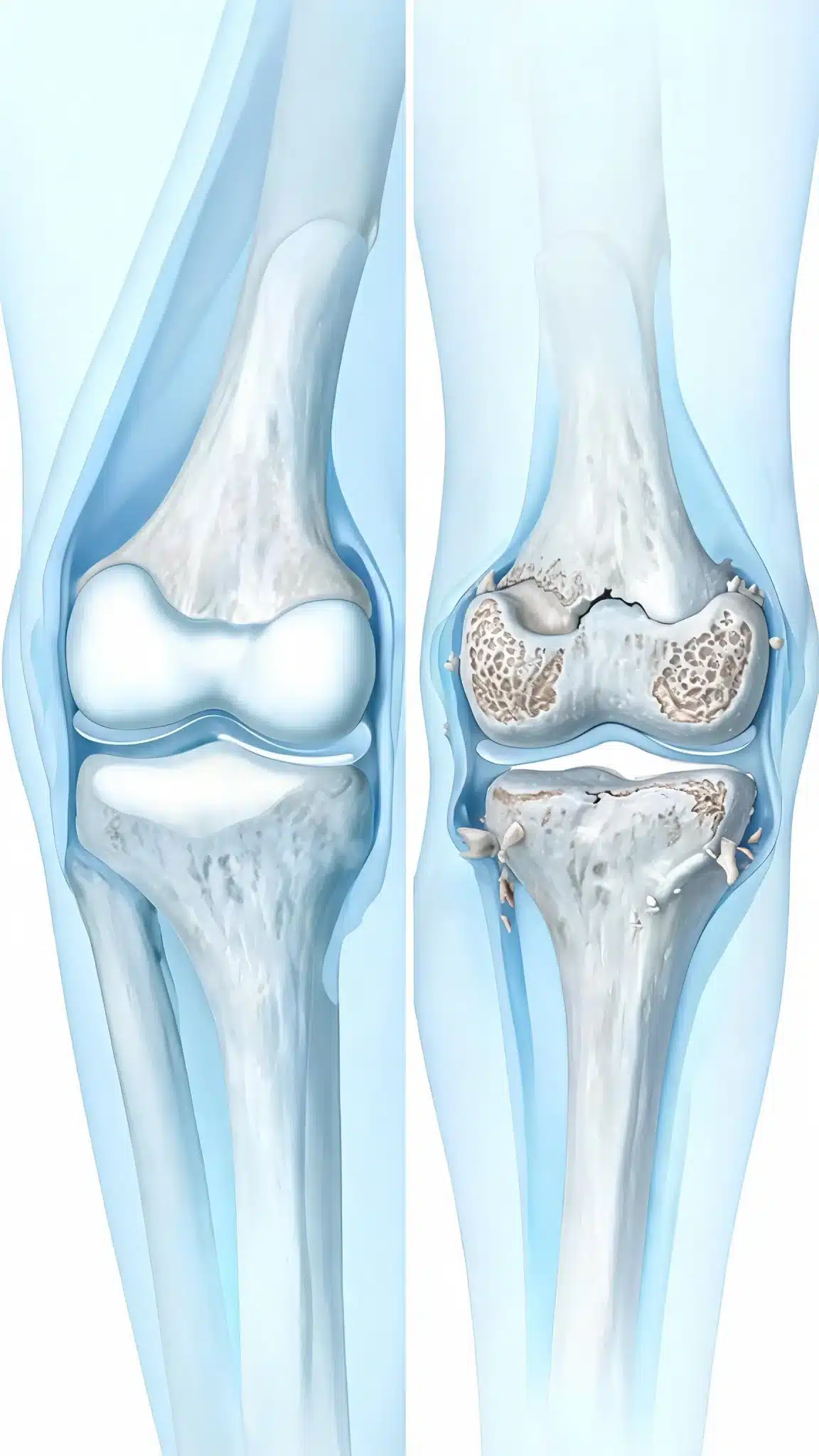
- Definition: Canine osteoarthritis is a degenerative joint disease causing cartilage breakdown, pain, and reduced mobility.
- Prevalence: Affects roughly 20% of dogs over 1 year old and up to 80% of dogs over age 8, per Cornell University College of Veterinary Medicine estimates.
- Key signs: Stiffness after rest, reluctance to jump, limping, behavioral changes like increased irritability.
- When to act: Any gait change lasting more than 5–7 days warrants a veterinary evaluation before starting a supplement plan.
- Commonly confused with: Hip dysplasia (structural), Lyme disease arthritis (infectious), and muscle soreness — all require different treatment paths.
- Natural vs. pharmaceutical: Natural methods reduce inflammation and support joint tissue; they are best used alongside — not instead of — veterinary guidance.
Which Supplements Actually Help Arthritic Dogs Walk Better?

Fish oil is the most evidence-supported natural supplement for canine arthritis. It delivers EPA and DHA, two omega-3 fatty acids shown in multiple trials to reduce joint inflammation and improve weight-bearing within 6 weeks. The Merck Veterinary Manual cites a dose range of 20–55 mg of combined EPA/DHA per pound of body weight per day as both safe and effective for most adult dogs.
Glucosamine and chondroitin are often paired together. Glucosamine supports cartilage repair, while chondroitin slows cartilage degradation. A typical starting dose is 500 mg glucosamine plus 400 mg chondroitin for a 45-lb dog, given once daily. You can find a well-reviewed glucosamine and chondroitin supplement for dogs that combines both in one chew.
BEFORE YOU SCROLL PAST
Vet-Recommended Articles: 👇
👉 Earthbath Oatmeal And Aloe Shampoo Review
👉 Best Collar For Long Haired Dogs
Green-lipped mussel (GLM) is an underused option that competing articles often overlook.
GLM contains a rare form of omega-3 called ETA (eicosatetraenoic acid) that specifically targets inflammation in joint tissue. A 2013 study published in the Journal of Veterinary Science found GLM supplementation improved mobility scores in arthritic dogs by roughly 30% after 8 weeks. The typical dose is 15–20 mg of GLM powder per pound of body weight daily.
| Supplement | Target Action | Typical Daily Dose (45-lb dog) | Time to See Effect |
|---|---|---|---|
| Fish Oil (EPA/DHA) | Reduces joint inflammation | 900–2,475 mg EPA/DHA | 4–6 weeks |
| Glucosamine + Chondroitin | Cartilage support and repair | 500 mg / 400 mg | 6–8 weeks |
| Green-Lipped Mussel | ETA-based inflammation reduction | 675–900 mg powder | 6–8 weeks |
| Turmeric (curcumin) | General anti-inflammatory | 15–20 mg/lb with black pepper | 4–6 weeks |
How Does Exercise Help — and What Kind Is Safe for Arthritic Dogs?

Controlled, low-impact exercise is one of the most powerful natural tools for keeping arthritic dogs mobile. It maintains muscle mass around damaged joints, which absorbs shock and reduces the load placed directly on cartilage. The American Animal Hospital Association (AAHA) recommends that arthritic dogs exercise little and often rather than in long, infrequent bouts.
The goal is 10–15 minute walks on flat, soft surfaces (grass or packed dirt), 2–3 times per day. Hard pavement increases joint impact and should be avoided. After activity, watch for increased limping or stiffness lasting more than 30 minutes — that signals the session was too long.
Exercise Options Ranked by Joint Impact
- Swimming: Zero impact; builds muscle fastest; ideal for dogs who tolerate water
- Underwater treadmill (hydrotherapy): Low impact; 15–20 minute sessions 2x per week show results in 3–4 weeks
- Leash walking on grass: Low-moderate impact; best daily maintenance option
- Fetch or running: High impact; should be avoided or heavily restricted during flare-ups
Cornell University College of Veterinary Medicine notes that hydrotherapy consistently reduces pain scores and improves range of motion in dogs with moderate-to-severe osteoarthritis, often within 3 weeks of starting a structured program.
Does a Dog’s Home Environment Affect Arthritis Pain?
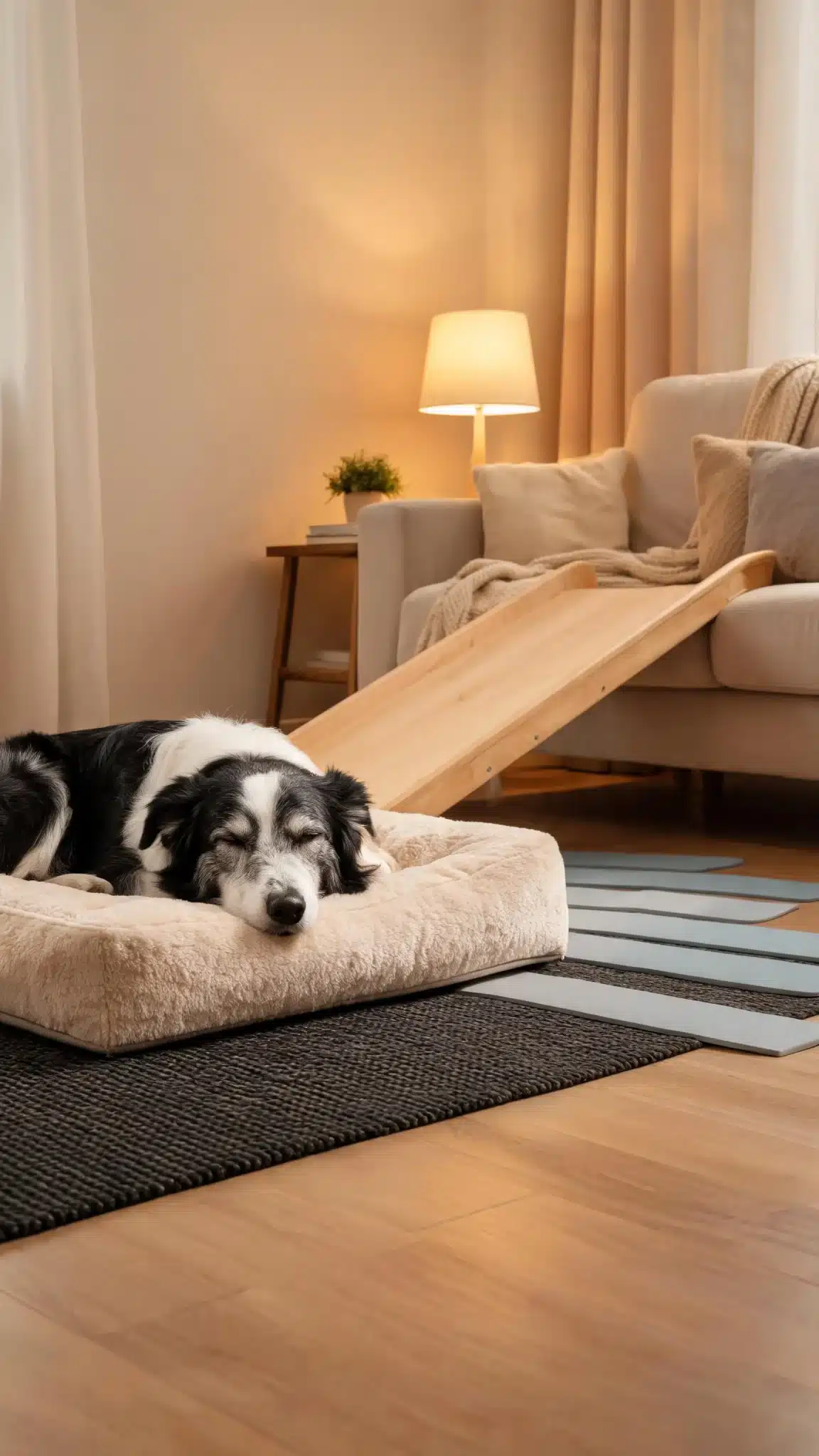
Yes — flooring, bedding, and furniture access directly affect how much pain an arthritic dog experiences daily. Slippery hardwood or tile floors force dogs to constantly tense muscles to stabilize joints, accelerating fatigue and discomfort. Placing non-slip rugs or yoga mats along main walking paths can reduce visible slipping and hesitation within days. If your floors are already presenting hazards, it’s worth reviewing ways your house might be a hazard zone for your dog beyond just joint health.
Bedding matters more than most owners realize. A 3–4 inch orthopedic memory foam dog bed reduces pressure point pain and helps dogs rise more easily in the morning. Dogs with arthritis spend 12–16 hours resting, so the surface quality has an outsized effect on inflammation levels.
Ramps replace stairs and are one of the fastest wins for arthritic dogs that sleep on furniture.
A dog ramp for beds and couches with a non-slip surface removes the joint-jarring impact of jumping. Ramps with a rise angle under 20 degrees are easiest for most arthritic dogs to navigate independently.
Can Weight Management Alone Improve an Arthritic Dog’s Gait?
Weight reduction is the single most effective long-term natural intervention for canine arthritis. Every extra pound of body weight places approximately 4–5 pounds of additional force on hip and knee joints during normal walking. A study referenced by the AVMA found that reducing body weight by just 6–9% produced a statistically significant improvement in lameness scores — without any other treatment changes.
To assess whether your dog is overweight, use a body condition score (BCS) chart. A healthy dog scores 4–5 out of 9: you should feel ribs easily without pressing hard, and there should be a visible waist tuck when viewed from above.
- Reduce caloric intake by 10–20% and recheck weight every 2 weeks
- Swap high-calorie treats for low-calorie options like baby carrots or plain cooked green beans
- Feed measured portions by weight, not by volume — cup measurements vary widely
- Add low-sodium broth or water to kibble to increase satiety without adding calories
Arthritis vs. Hip Dysplasia vs. Muscle Soreness: How to Tell the Difference
These three conditions cause overlapping symptoms — stiffness, reluctance to move, gait changes — but require different management strategies. Getting the distinction right prevents you from applying the wrong natural remedy and delaying real relief.
| Condition | Typical Onset | Key Sign | Natural Priority |
|---|---|---|---|
| Osteoarthritis | Gradual, older dogs (7+) | Stiff after rest, improves with light movement | Supplements + weight loss |
| Hip Dysplasia | Can appear at 4–12 months in large breeds | Bunny-hopping gait, wide stance | Muscle strengthening + ramps |
| Muscle Soreness | Sudden, after heavy activity | Resolves in 24–48 hours with rest | Rest + gentle stretching |
If symptoms persist beyond 5–7 days or worsen after rest, a veterinary diagnosis is needed before choosing a supplement protocol. A physical exam and X-ray (typically $150–$400) will confirm the specific joint issue.
Common Mistakes That Make Arthritis Worse
- Giving human NSAIDs (ibuprofen, aspirin): These are toxic to dogs and cause gastrointestinal bleeding and kidney damage — use dog-specific options only under veterinary guidance.
- Replacing exercise with rest entirely: Complete rest causes muscle atrophy within 2–3 weeks, making joints less stable and pain worse — short daily walks are always better than none.
- Buying supplements without checking EPA/DHA content: Generic fish oil capsules vary widely; always confirm the label lists actual mg of EPA and DHA, not just total fish oil.
- Starting too many supplements at once: If you add 3–4 supplements simultaneously, you cannot identify what helps or causes side effects — introduce one new supplement every 3–4 weeks.
- Ignoring weight until pain is severe: Weight loss works best as an early intervention; starting it after significant cartilage loss still helps but produces slower results.
Frequently Asked Questions About Natural Ways to Help a Dog With Arthritis Walk Comfortably Again
How long before natural supplements help my arthritic dog walk better?
Most natural supplements for dog arthritis take 4–8 weeks to produce noticeable improvement in gait and mobility. Fish oil and green-lipped mussel typically show effects sooner — around 4–6 weeks — while glucosamine and chondroitin often take the full 8 weeks.
Is turmeric safe for dogs with arthritis?
Turmeric is generally safe for dogs at 15–20 mg per pound of body weight daily when paired with black pepper for absorption. Always introduce it gradually over 1–2 weeks and watch for loose stools, which is the most common side effect.
Can I walk my arthritic dog every day?
Yes — daily walking is recommended for arthritic dogs, but sessions should be short: 10–15 minutes on soft, flat surfaces, 2–3 times per day. After any recent vaccination or health event, always confirm with your vet before resuming a walking routine.
Should I use heat or cold on my dog’s arthritic joints?
Heat (a warm compress or pet heating pad set on low) is best for chronic arthritis stiffness, applied for 10–15 minutes before activity. Cold packs work better for acute swelling or post-exercise inflammation lasting more than 30 minutes.
At what age do dogs typically develop arthritis?
Canine osteoarthritis most commonly appears in dogs over age 7, though large and giant breeds like Labradors and German Shepherds can show signs as early as age 4–5. Up to 80% of dogs over age 8 have some degree of joint disease, according to Cornell University College of Veterinary Medicine.
Does breed affect how well natural remedies work for arthritis?
Breed does influence response — smaller breeds like poodles generally respond well to weight management and supplements because their joint loads are lower. Larger breeds often need hydrotherapy and structured muscle-building added to a supplement plan for similar results.
The Bottom Line
The strongest combination for helping an arthritic dog walk comfortably again is daily fish oil at 20–55 mg EPA/DHA per pound, short leash walks 2–3 times daily, a supportive orthopedic bed, and a 6–9% body weight reduction if your dog is overweight. Most owners see meaningful gait improvement within 6–8 weeks when these are applied together consistently.
Start with the two changes that cost the least and deliver the fastest return: adjusting your dog’s diet to reach a healthy body condition score, and adding a quality fish oil supplement to every meal. Those two steps alone give you a strong foundation before adding anything else.
Your dog is counting on consistent, patient effort — and the research is clear that natural methods work when applied correctly and given enough time.
Sources
This article references guidance from the following authorities:
- American Veterinary Medical Association (AVMA) — Canine osteoarthritis management and weight reduction data
- Cornell University College of Veterinary Medicine — Arthritis prevalence statistics and hydrotherapy outcomes
- Merck Veterinary Manual — Omega-3 dosing ranges and supplement safety for dogs
- American Animal Hospital Association (AAHA) — Exercise recommendations for dogs with joint disease