Is it bad if I let my dog sleep in my bed every night? For most healthy adults and healthy dogs, the answer is usually no. The main tradeoff is that bed-sharing can affect sleep quality, allergies, hygiene, and behavior, so the real question is whether it helps or hurts your household.
If your dog is calm, clean, vaccinated, and not disturbing sleep, co-sleeping can be fine. If you have asthma, severe allergies, a bite history, or a dog that guards the bed, you should be more cautious.
Many people ask this after a puppy phase, after a move, or when a dog starts barking at night; related sleep issues often show up alongside problems covered in 6 Reasons Your Dog Barks At Night And What To Do and Things You Do That Stress Your Dog Out Every Day.
Is It Bad If I Let My Dog Sleep In My Bed Every Night?
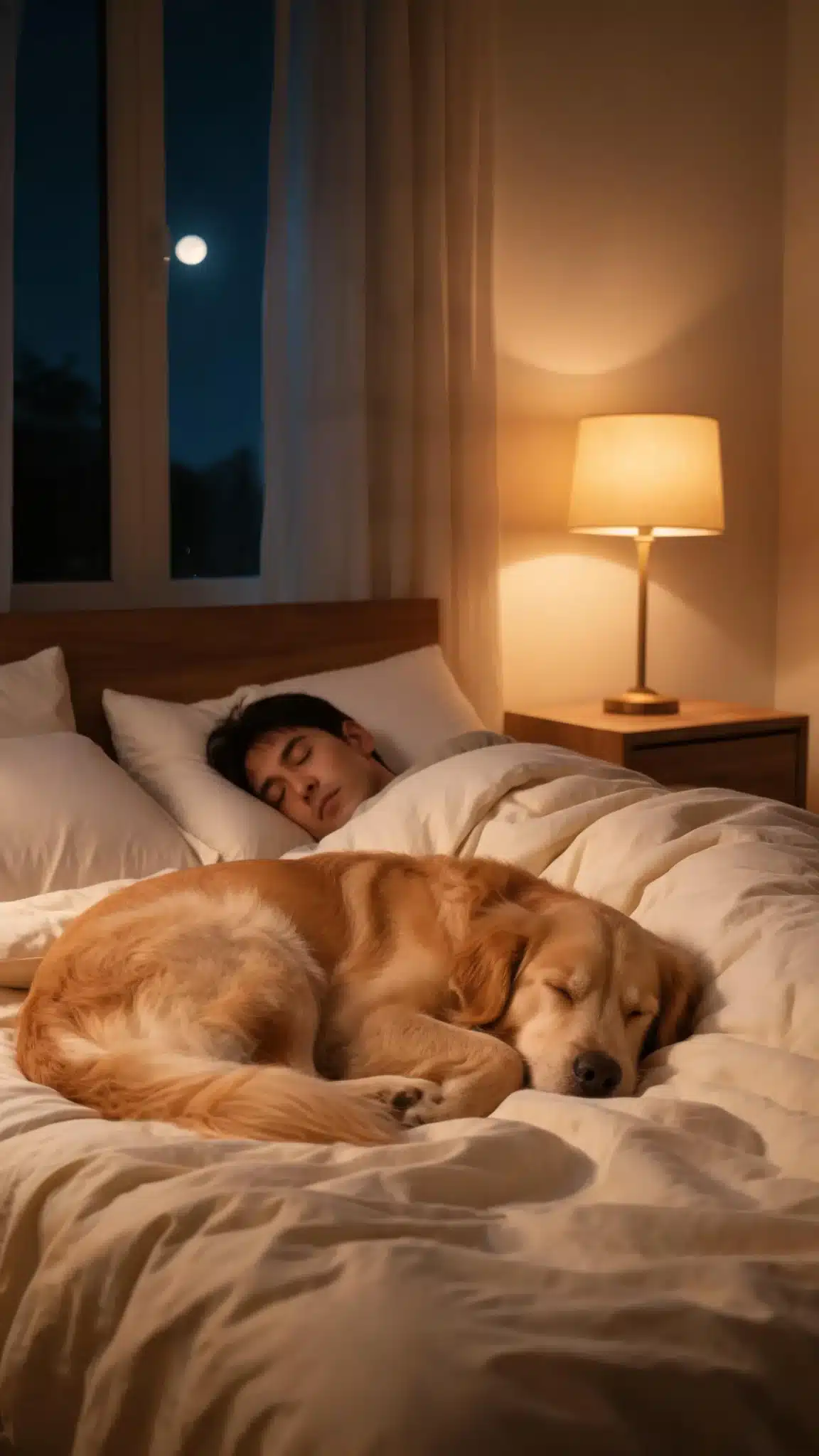
Usually, no. Letting your dog sleep in your bed every night is not automatically harmful, but it can become a problem if it worsens your sleep, triggers allergies, spreads dirt or parasites, or creates behavior issues.
The American Veterinary Medical Association and the CDC both support basic pet hygiene and parasite control as the real safety line, not a blanket ban on bed-sharing. If everyone sleeps well, the dog is healthy, and your home stays clean, nightly bed-sharing can be a reasonable choice.
BEFORE YOU SCROLL PAST
Vet-Recommended Articles: 👇
👉 Earthbath Oatmeal And Aloe Shampoo Review
👉 Best Collar For Long Haired Dogs
- Healthy dog plus good hygiene often means low risk.
- Nightly sleep loss is a reason to change the habit.
- Fleas, ticks, and worms matter more than the bed itself.
- Children, immunocompromised adults, and allergy sufferers need extra caution.
- Behavior problems can build if your dog guards the bed.
Key Facts About Letting Dogs Sleep In Your Bed
Definition: Bed-sharing means your dog sleeps on the same mattress, not just in the same room or on a dog bed beside you.
Who it affects: It matters most for people with allergies, asthma, weak immune systems, sleep problems, and dogs with anxiety or guarding behavior.
Key numbers: The CDC says fleas can complete a life cycle in about 2 to 3 weeks, which is why prevention matters.
Sleep signal: If you wake up 2 or more times nightly because of the dog, the habit is affecting sleep quality.
Health trigger: New cough, sneezing, skin rash, or itching after bed-sharing deserves attention.
Commonly confused: Bed-sharing is not the same as separation anxiety, though the two can overlap.
When Is Bed-Sharing Fine, And When Is It A Problem?
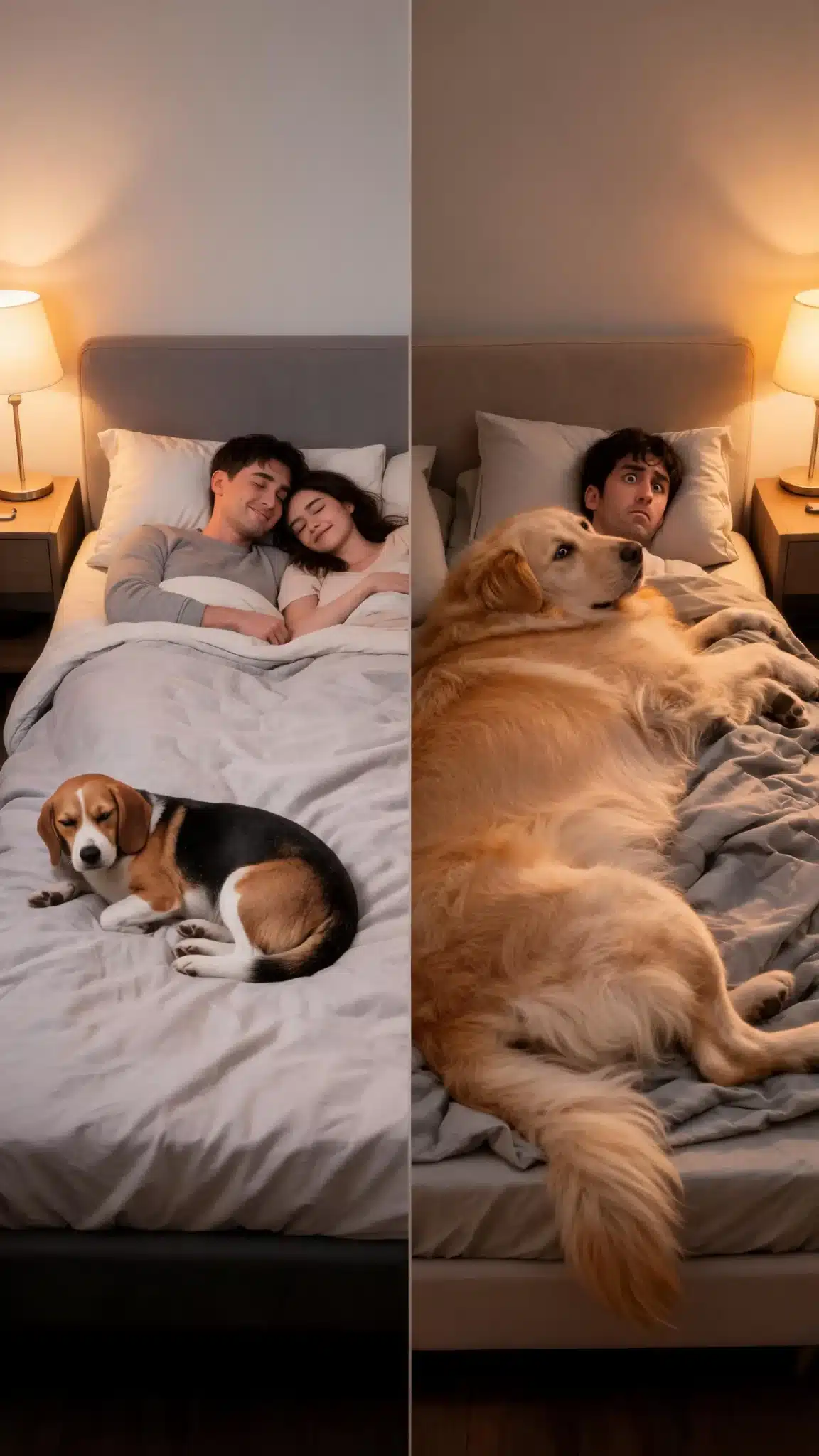
Bed-sharing is usually fine when your dog is healthy, parasite-free, and not disrupting sleep. It becomes a problem when you wake up tired, get allergy symptoms, or notice tension around the bed.
One useful comparison is simple: if the dog improves comfort and security, it may be a net positive; if it causes scratching, heat, restlessness, or guarding, it is costing more than it gives. The Cleveland Clinic notes that pet allergens can linger in bedrooms, so a dog that sheds heavily may be a bigger issue in a small room.
| Scenario | Usually Okay | Use Caution |
|---|---|---|
| Healthy adult | Good sleep, no allergies | Sleep is broken 2+ times |
| Dog health | Vaccinated, flea-free | Skin itching or diarrhea |
| Behavior | Calm, relaxed, leaves bed | Growls, guards, jumps |
If your dog is a heavy sleeper partner but also a heavy shedder, a washable mattress protector can help reduce cleanup and odor.
What Health Risks Should You Actually Worry About?

The main health risks are allergies, parasites, zoonotic germs, and disturbed sleep. For most healthy dogs, these risks stay low with routine veterinary care, but they do not disappear just because the dog looks clean.
According to MedlinePlus, people with allergies can react to pet dander, saliva, and urine, not only hair. The CDC also notes that parasites such as fleas and ticks can carry disease, which is why monthly prevention is often recommended by veterinarians.
- Pet dander can trigger sneezing, wheezing, or itchy eyes.
- Fleas and ticks matter more in warm months and wooded areas.
- Intestinal parasites are more concerning in puppies and rescue dogs.
- Open wounds, diarrhea, or skin infections raise the risk of sharing germs.
A washable Waterproof Mattress Protector can lower cleaning stress, but it does not replace flea prevention or regular vet care.
Can Sleeping With Your Dog Affect Behavior Or Training?

Yes, it can, especially if your dog starts guarding the bed, resisting being moved, or demanding access every night. The issue is not affection; it is whether the bed becomes a high-value resource that your dog believes is theirs.
That distinction matters for puppies and anxious dogs. A dog that settles on cue and leaves the bed calmly is different from one that snaps when touched or barks until allowed up; the second pattern can grow into resource guarding.
Bed-sharing works best when the dog treats the bed like a shared resting place, not a defended territory.
If your dog already struggles with boundaries, pairing night routines with a predictable place to sleep, like a crate or dog bed, is often easier than trying to correct guarding later. A supportive Orthopedic Dog Bed can make that transition smoother for older dogs or dogs with joint pain.
What If My Dog Has Anxiety?
Sleeping beside you can help some anxious dogs settle, but it can also make separation harder. If your dog panics when you move away or cries at night, the bed may be soothing short term while reinforcing dependence long term.
For dogs that cry after lights out, the behavior can overlap with reasons discussed in Dog Crying At Night Spiritual Meaning, but medical or training causes should always come first.
How Do I Keep Bed-Sharing Clean And Safe?
You keep bed-sharing safe by reducing parasites, managing shedding, and setting clear rules. A simple routine is usually enough for most households, and it takes less than 10 minutes a day once the habit is set.
- Brush your dog daily or every other day to reduce loose hair and dander.
- Use year-round flea and tick prevention if your vet recommends it.
- Wash bedding weekly in hot water, ideally around 130°F (54°C) or hotter if the fabric allows.
- Trim nails every 2 to 4 weeks to reduce scratches on skin and sheets.
- Keep a towel or blanket barrier if your dog rolls in dirt outdoors.
For shedding dogs, a regular Dog Slicker Brush can reduce the amount of hair that ends up in the bed. If your dog often licks your face, also consider the question of hygiene around saliva and germs, which is covered in What Happens If You Swallow Dog Saliva.
What If I Want My Dog In The Room But Not On The Bed?
That is a very common compromise, and it works well for people who want closeness without sleep disruption. Your dog can still feel secure in the bedroom while you keep more control over hygiene, space, and temperature.
A bedside dog bed, a crate with the door open, or a mat on the floor can satisfy the same social need with fewer downsides. If you live with a poodle or another breed that bonds closely, breed traits may influence how easily the dog accepts the switch; see Poodle Dog Breed Information for general temperament context.
Best option for many households: keep the dog in the room, but make the bed off-limits on most nights. That gives you flexibility for travel, illness, or hot weather without turning the mattress into a permanent free-for-all.
A simple floor mat or crate liner can make the new setup more appealing and predictable.
Frequently Asked Questions About Is It Bad If I Let My Dog Sleep In My Bed Every Night?
Should I stop letting my dog sleep in my bed?
Should I stop letting my dog sleep in my bed? Only if it hurts sleep, allergies, hygiene, or behavior. If the arrangement is calm and healthy, there is no universal rule that says you must stop.
Is it normal for dogs to sleep in human beds?
Is it normal for dogs to sleep in human beds? Yes, it is common in many homes. Normal does not mean best for every household, especially if allergies or guarding show up.
Can puppies sleep in bed every night?
Can puppies sleep in bed every night? They can, but it often makes housetraining and boundary setting harder. Many trainers prefer a crate or nearby bed until the puppy sleeps through the night.
Does sleeping with my dog make allergies worse?
Does sleeping with my dog make allergies worse? It can, because dander, saliva, and hair collect in bedding. If symptoms rise in the bedroom, limiting bed access is a smart test.
Is it bad for my dog to sleep with me every night?
Is it bad for my dog to sleep with me every night? Not usually, if your dog is healthy and rests well. The main concern is whether the dog becomes dependent, territorial, or sleep-disrupted.
How do I know if bed-sharing is causing a problem?
How do I know if bed-sharing is causing a problem? Look for 2 or more nightly wake-ups, new sneezing, skin irritation, guarding, or worse daytime energy. Those are signs to change the setup.
Conclusion
For most households, letting your dog sleep in your bed every night is not bad if both of you sleep well and the dog is healthy. The biggest red flags are 2 or more sleep interruptions, allergy symptoms, parasites, or guarding behavior.
If you want a simple next step today, wash the bedding, confirm parasite prevention is current, and try one week with a clear bedtime rule to see whether sleep improves. If you keep bed-sharing, keep it clean, consistent, and calm.
Sources
This article references guidance from the following authorities:
- Centers for Disease Control and Prevention (CDC) — Parasite and pet hygiene guidance
- MedlinePlus — Pet allergies and symptoms
- American Veterinary Medical Association (AVMA) — Pet ownership and health guidance
- Cleveland Clinic — Allergy and bedroom irritant information