Your Shih Tzu suddenly stops, stretches their neck forward, and makes a loud, honking, snorting sound — and your heart nearly stops. It looks alarming. It sounds worse.
This is reverse sneezing, and it is one of the most common respiratory events seen in small and flat-faced dog breeds. Understanding what causes reverse sneezing in small dogs like Shih Tzus helps you stay calm and know when to act.
What Causes Reverse Sneezing in Small Dogs Like Shih Tzus?
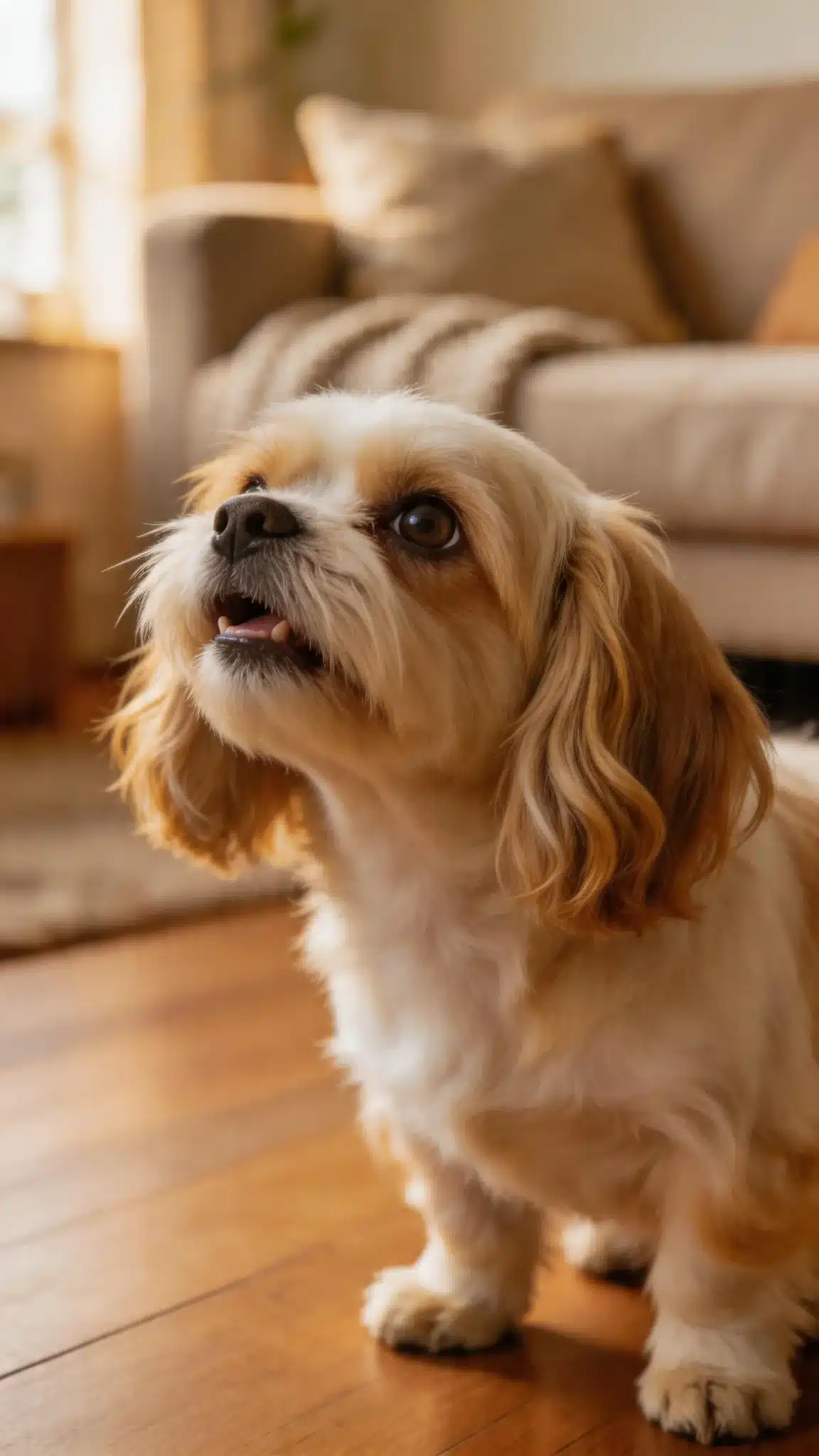
Reverse sneezing in small dogs like Shih Tzus is caused by a spasm of the soft palate and throat muscles, triggered by irritation to the nasopharynx — the area connecting the nose and throat. Common triggers include allergens, excitement, eating too fast, and anatomical features unique to brachycephalic (flat-faced) breeds. The episode typically lasts 10–30 seconds and resolves on its own.
- Brachycephalic anatomy narrows airways, making spasms more frequent in flat-faced breeds.
- Allergens like pollen, dust, and mold are leading environmental triggers.
- Eating or drinking too quickly can irritate the soft palate directly.
- Leash pressure on the neck and collar can initiate an episode.
- Nasal mites, a less common cause, can trigger chronic reverse sneezing.
- Post-nasal drip from upper respiratory infections is another documented trigger.
Why Are Shih Tzus and Flat-Faced Breeds More Prone to It?
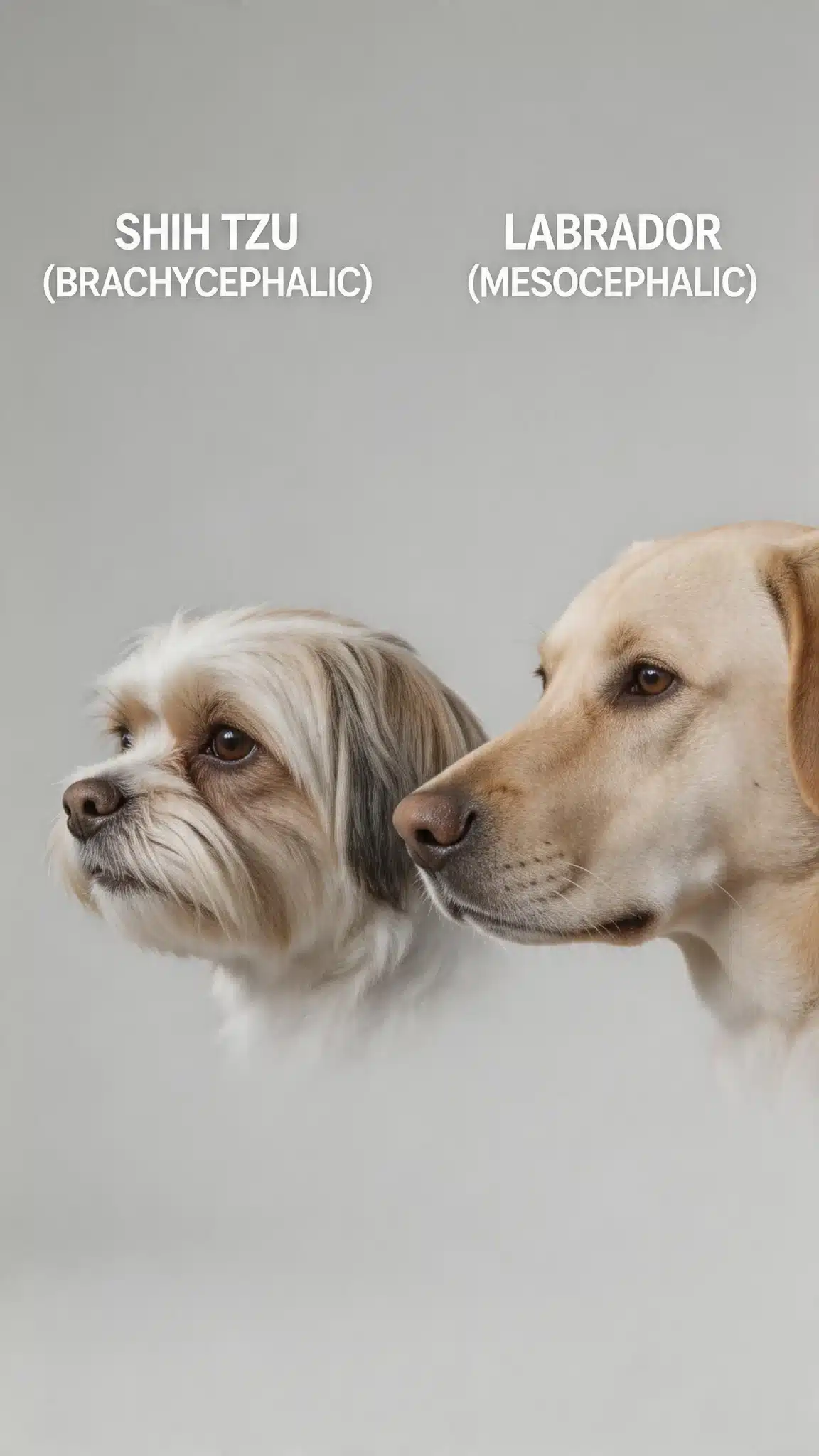
Shih Tzus belong to the brachycephalic breed group — dogs selectively bred for shortened skull structures. This anatomy compresses the nasopharynx, leaving less space for airflow and making the soft palate more likely to vibrate or spasm when irritated.
Brachycephalic obstructive airway syndrome (BOAS) is a recognized condition in flat-faced breeds that directly increases reverse sneezing frequency.
BEFORE YOU SCROLL PAST
Vet-Recommended Articles: 👇
👉 Earthbath Oatmeal And Aloe Shampoo Review
👉 Best Collar For Long Haired Dogs
According to the American College of Veterinary Surgeons, brachycephalic breeds commonly have elongated soft palates that partially block the airway above the larynx. This physical overlap is a core reason reverse sneezing happens far more often in Shih Tzus than in longer-snouted dogs like Labrador Retrievers.
- Elongated soft palate: Overlaps the airway and vibrates during inhalation.
- Stenotic nares: Narrowed nostrils restrict airflow and increase throat turbulence.
- Narrow trachea: Common in small breeds, amplifying any respiratory irritation.
Other small breeds that share this vulnerability include Pugs, Bulldogs, Cavalier King Charles Spaniels, and Lhasa Apsos. Just like Shih Tzus, these dogs often show reverse sneezing from puppyhood onward.
What Are the Most Common Triggers for Reverse Sneezing Episodes?
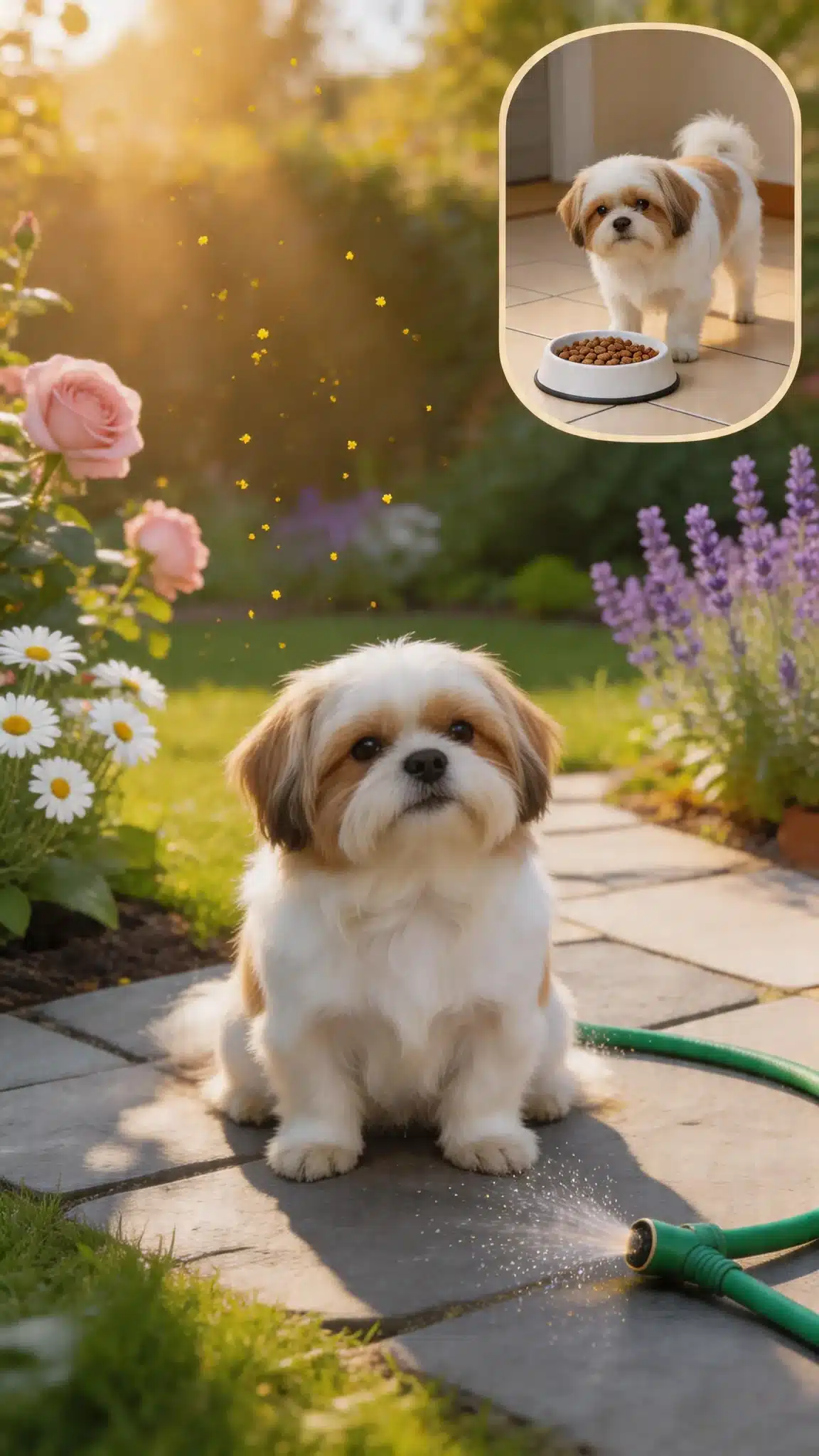
Most reverse sneezing episodes have a clear trigger, and identifying yours can significantly reduce how often they happen. Triggers range from environmental irritants to physical activity and feeding habits.
Environmental Allergens and Irritants
Pollen, mold spores, dust mites, and household cleaners are among the most frequently reported environmental triggers. When these particles contact the sensitive lining of the nasopharynx, the body responds with a rapid inward sneezing spasm to try to clear the irritant.
If your dog’s reverse sneezing increases during spring or fall, seasonal pollen is a strong suspect. Using a HEPA air purifier designed for pet households can help reduce airborne particles at home. Dogs with skin-level allergies — the kind covered in articles about dogs itching like crazy — often share the same underlying allergic sensitivity driving nasal episodes.
Excitement, Exercise, and Pulling on the Leash
High excitement — greeting you at the door, starting a walk, or playing vigorously — can trigger an episode almost instantly. The rapid change in breathing rate during excitement alters pressure in the nasopharynx.
Leash pressure on a flat collar presses directly on the trachea and throat. Switching to a harness removes that mechanical irritation entirely. This is one of the simplest, most effective changes you can make.
Eating, Drinking, and Food-Related Triggers
Gulping food or water too fast is a well-documented trigger for reverse sneezing. The rapid swallowing movement can briefly irritate the soft palate, setting off the spasm reflex.
A slow-feeder bowl can reduce food-related episodes by forcing your dog to eat at a calmer pace.
A slow-feeder bowl for small breeds is widely recommended by veterinary behaviorists for dogs prone to gulping. Post-meal episodes that happen repeatedly are a strong indicator that eating pace is the problem.
Is Reverse Sneezing Dangerous or Just Scary?
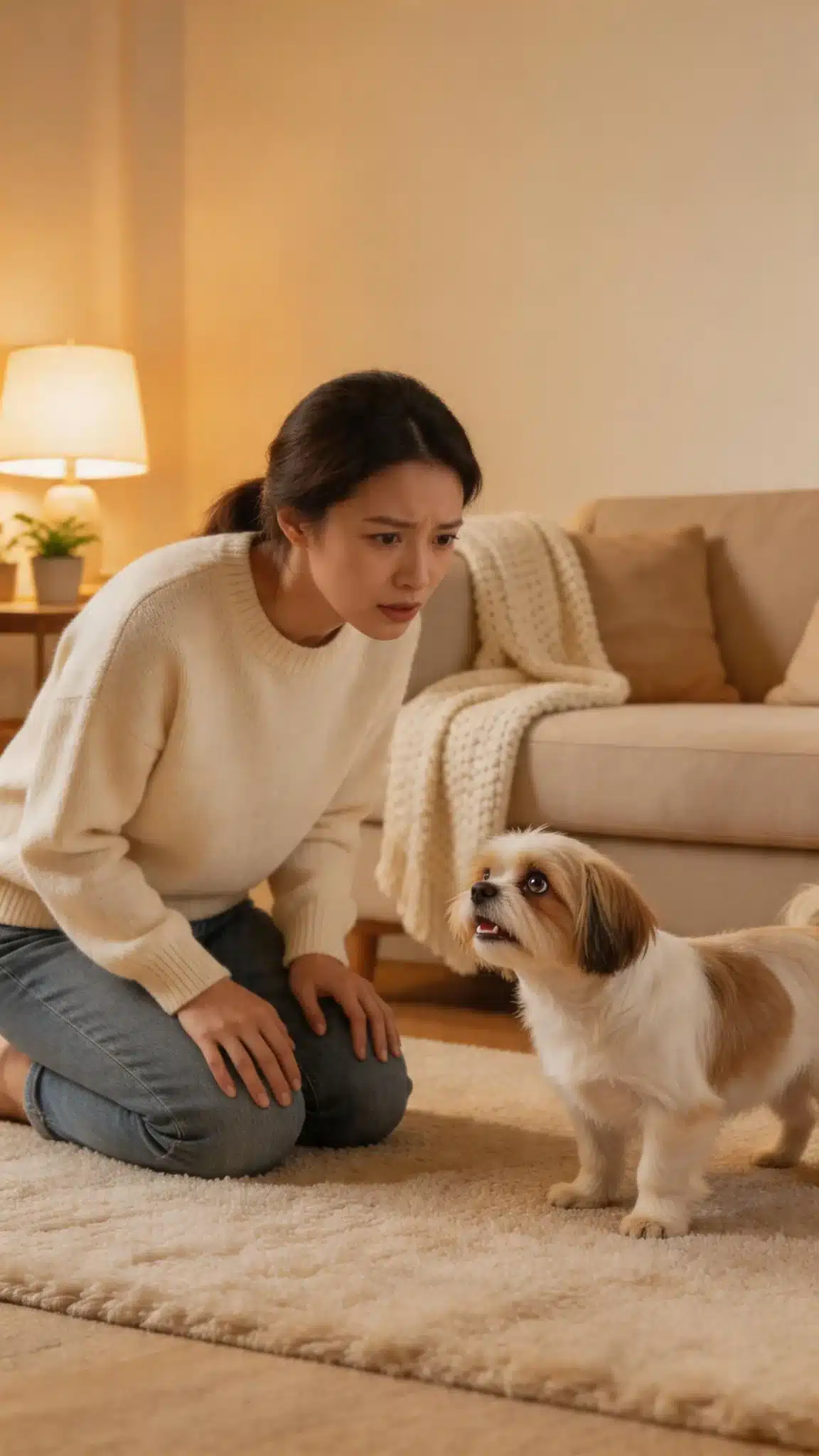
Reverse sneezing itself is not dangerous in the vast majority of cases. The episode looks frightening — your dog may extend their neck, bulge their eyes, and produce a loud snorting sound — but they are breathing throughout the entire episode.
“Reverse sneezing is a benign condition in most dogs. The key is distinguishing it from true respiratory distress, which involves open-mouth breathing, blue gums, or collapse.” — Merck Veterinary Manual, Respiratory System overview
The episode typically ends in under 30 seconds. Once finished, your dog returns to normal behavior with no lingering symptoms.
When Does It Become a Concern?
Frequent daily episodes, episodes lasting over a minute, or episodes paired with nasal discharge, nosebleeds, or facial swelling warrant a vet visit. These signs can indicate nasal polyps, a foreign body in the nasal passage, or a more serious infection.
| Situation | Action Needed |
|---|---|
| Episode lasts under 30 seconds, dog acts normal after | Monitor — likely benign |
| Multiple episodes per day, every day | Schedule a vet checkup |
| Nasal discharge or nosebleed alongside episodes | See vet promptly |
| Blue or pale gums during episode | Emergency vet — immediately |
| Sudden onset in a senior dog with no prior history | Vet evaluation recommended |
How to Stop a Reverse Sneezing Episode in Progress
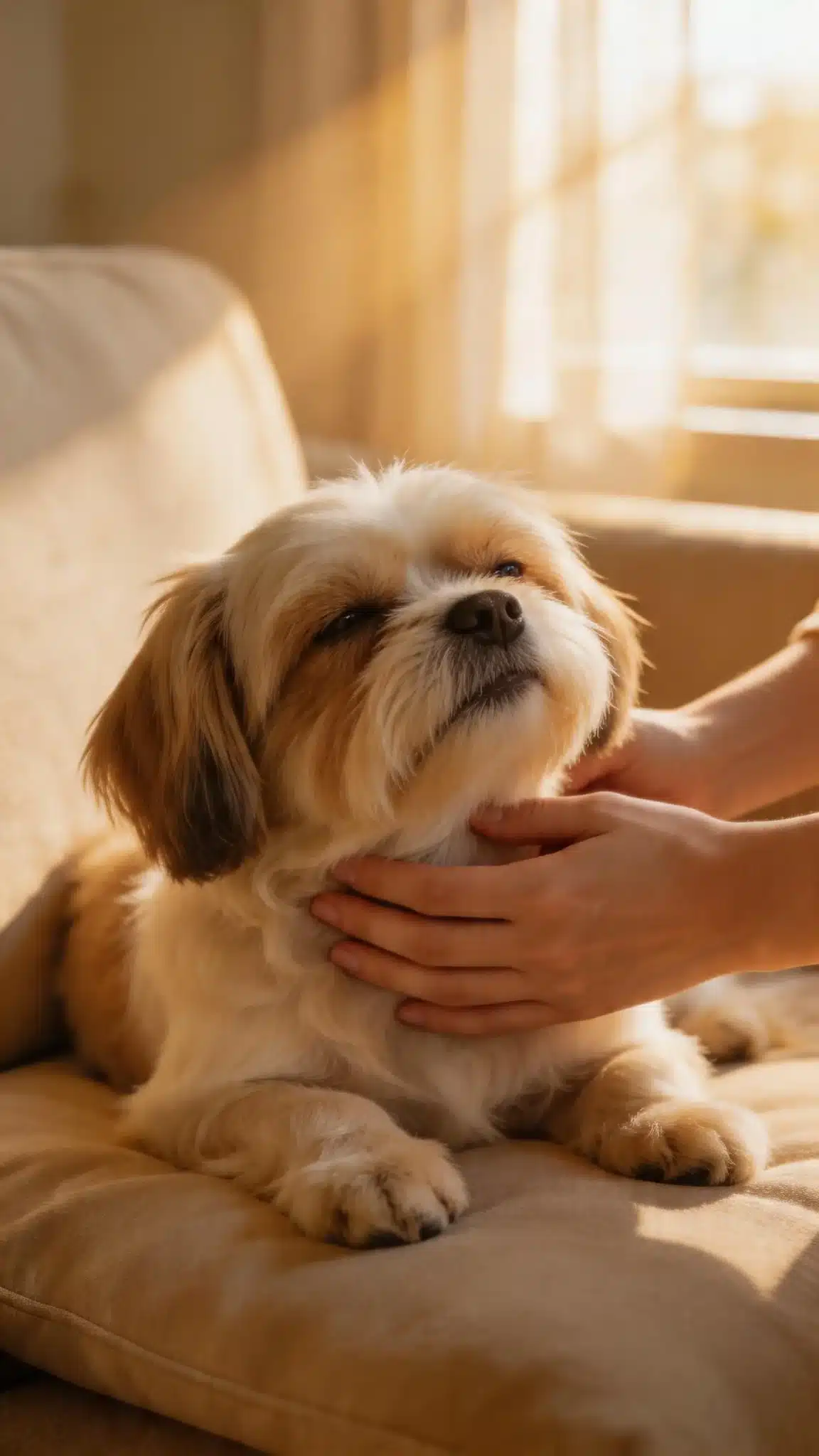
Most episodes resolve without any intervention. But staying calm and knowing a few simple techniques can shorten the spasm and comfort your dog at the same time.
- Stay calm yourself. Dogs read your anxiety. Panicking can escalate their own stress and prolong the episode.
- Gently massage the throat. Light, slow strokes along the underside of the throat encourage swallowing, which often breaks the spasm reflex.
- Briefly cover one nostril. Covering one nostril for a second or two encourages your dog to swallow and reset normal breathing. Do not hold both nostrils shut.
- Offer a small sip of water. For dogs that tolerate it mid-episode, swallowing water interrupts the spasm cycle.
- Remove the trigger if visible. If something in the environment set it off — a strong scent, smoke, or a dusty surface — move your dog away from it.
Success looks like: your dog swallows, takes a normal breath, shakes their head, and walks away as if nothing happened.
Common Mistakes Dog Owners Make About Reverse Sneezing
Knowing what not to do matters as much as knowing the right response. These mistakes are easy to make — and easy to fix once you know about them.
- Mistake: Holding the mouth shut. Some owners think closing the mouth forces nasal breathing and stops the episode faster. This increases panic and can worsen the spasm. Fix: Use throat massage instead.
- Mistake: Assuming it is always allergies. Allergies are one trigger, but physical triggers like leash pressure and eating speed are equally common. Fix: Track when episodes happen — time of day, activity, environment.
- Mistake: Ignoring a new pattern in an older dog. If a dog that rarely reverse sneezed starts doing it daily after age seven, that change deserves a vet look. Fix: Note the frequency change and report it at your next appointment.
- Mistake: Giving antihistamines without vet guidance. Human antihistamines like diphenhydramine are sometimes used in dogs but require proper dosing by body weight and breed. Fix: Ask your vet before giving any medication.
Just as you would track unusual behaviors like why dogs seek out scratching to understand comfort-seeking patterns, tracking reverse sneezing episodes gives your vet actionable data.
Can Reverse Sneezing Be Prevented Long-Term?
Complete prevention is unlikely in brachycephalic breeds because anatomy plays a major role. However, reducing trigger exposure can bring episodes down to rare occurrences rather than daily events.
Switching from a collar to a no-pull harness for small breeds removes one of the most mechanical and avoidable triggers. For dogs with confirmed environmental allergies, veterinary-prescribed antihistamines or allergy testing can make a meaningful difference.
Regular vet checkups help catch structural issues early. In dogs with severe BOAS, surgical correction of stenotic nares or an elongated soft palate can reduce the frequency of both reverse sneezing and breathing difficulties significantly — this is a decision made between you and a veterinary surgeon, not a first-line option. You can learn more about brachycephalic airway conditions through resources from the American College of Veterinary Surgeons.
For general respiratory and health monitoring guidance, the Merck Veterinary Manual’s dog respiratory section provides reliable, vet-reviewed information. Dogs dealing with chronic irritants — whether from allergens or environmental stressors — may also benefit from a review of household products and diet, similar to reviewing whether everyday items like certain drinks are safe for dogs.
Frequently Asked Questions About What Causes Reverse Sneezing in Small Dogs Like Shih Tzus?
Is reverse sneezing the same as a regular sneeze?
Reverse sneezing is the opposite of a regular sneeze — air is rapidly inhaled rather than expelled. A regular sneeze pushes air out through the nose; reverse sneezing pulls air in forcefully, creating a snorting or honking sound.
How long do reverse sneezing episodes usually last?
Most reverse sneezing episodes last between 10 and 30 seconds. Episodes consistently lasting longer than one minute, or occurring multiple times daily, should be evaluated by a veterinarian.
Can puppies get reverse sneezing too?
Yes, puppies can experience reverse sneezing, and some Shih Tzu puppies show episodes within their first few months. It is more common as their airways are still maturing and more sensitive to irritants.
Should I go to the vet after one reverse sneezing episode?
A single, brief episode in an otherwise healthy dog does not require an emergency visit. However, if your dog has nasal discharge, nosebleeds, or the episodes are new and increasing in frequency, a vet checkup is the right call.
Can stress cause reverse sneezing in Shih Tzus?
Stress and excitement can trigger reverse sneezing by altering breathing patterns rapidly. Dogs that show stress-related reverse sneezing often benefit from calmer routines, slower greetings, and avoiding sudden environmental changes.
Do Shih Tzus outgrow reverse sneezing?
Shih Tzus generally do not outgrow reverse sneezing because their brachycephalic anatomy is permanent. With trigger management, episodes often decrease in frequency, but the predisposition remains throughout the dog’s life.
The Bottom Line on Reverse Sneezing in Shih Tzus
Reverse sneezing in small dogs like Shih Tzus is almost always benign — driven by anatomy, allergens, or everyday triggers like excitement and eating pace. The condition is manageable once you identify what sets it off.
The single most useful thing you can do today: start a simple log. Note the time, activity, and environment each time an episode happens. After one or two weeks, patterns become obvious — and that information gives your vet exactly what they need to help.
Your Shih Tzu is built differently, and that is part of what makes them so unique. Knowing how their body works means you can care for them with confidence instead of fear. Just like understanding why small dogs crave closeness and comfort helps you build a better bond, understanding their respiratory quirks puts you squarely in their corner.