If you have a female dog in heat and notice she seems uncomfortable, you’re definitely not alone. Many dog owners worry about how to ease their pup’s pain during this sometimes-stressful time. Watching your girl pace, whimper, or act “off” tugs at your heart, and you naturally want to help.
Pain and discomfort are common for some female dogs during their heat cycle. They might be restless, seem sore, or have low energy. The good news? There are practical and safe steps you can take right at home to help her feel better.
In our experience comforting dogs in heat, small actions make a big difference. In this guide, you’ll find what truly works for pain relief—and peace of mind. We’ll share specific safe remedies, tried-and-true home tips, examples, and expert advice so your dog can get the care she deserves.
🛒 Products Our Readers Use Every Day
👉 Glucosamine & Chondroitin Chews for Dogs
How To Soothe A Female Dog’s Pain During Heat: The Essentials
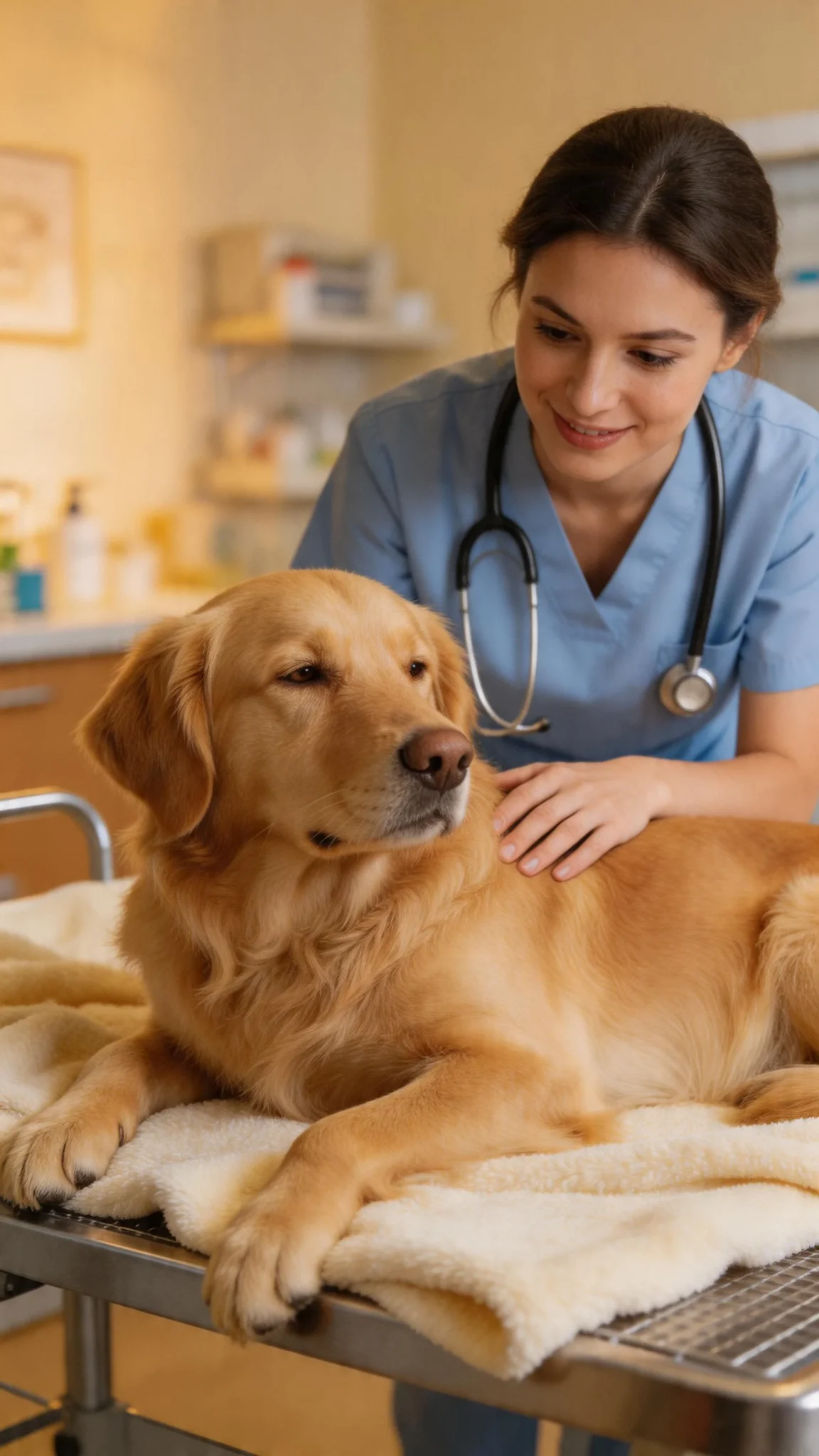
The best way to help a female dog in heat with pain is through gentle, non-medicinal support and, only if needed, vet-approved medications. Never give human painkillers like ibuprofen or Tylenol—these can be fatal to dogs! Instead, focus on comfort and vet-guided options.
- Offer cozy bedding for joint and muscle support
- Apply a warm (not hot) compress to her abdomen for 5–10 minutes
- Use calming aids, treats, or chews (see tips below and options like calming chews for dogs)
- Keep her routine peaceful, avoiding extra stress
- Ask your veterinarian about safe pain medication for dogs—never self-prescribe
- Try dog-safe heating pads or self-warming mats available online
- Limit strenuous exercise but offer gentle walks and enrichment
If your dog seems truly miserable, call your veterinarian for advice. Some females breeze right through, while others show clear signs of discomfort. Trust your instincts—you know your dog best.
Understanding The Heat Cycle And Why Dogs Feel Pain

The heat cycle (estrus) lasts roughly 2–3 weeks and brings big hormonal changes. Most females go into their first heat between 6–12 months old and have recurring cycles every 6–8 months, depending on the breed.
Common Signs Your Dog Is In Pain During Heat
- Whining, whimpering, or seeking extra comfort
- Licking or paying attention to the back end
- Restlessness or inability to settle comfortably
- Low energy or seeming “down”
- Loss of appetite or strange eating habits
In our work with female dogs, we’ve seen some act completely normal in heat, while others are clearly sore—especially smaller breeds or sensitive pups. One reader shared how her 18-month-old poodle always curls up in one spot with a soft blanket and barely wants to move for a few days.
🛒 Vet-Recommended Wellness Picks
👉 Dog Probiotic & Prebiotic Powder
Pain often comes from muscle cramping, mild swelling, or joint discomfort—similar to how period pain affects humans. Dogs don’t experience menstruation exactly like us, but they can still feel physical changes.
Safe At-Home Remedies For Dogs In Heat (No Medications Needed)
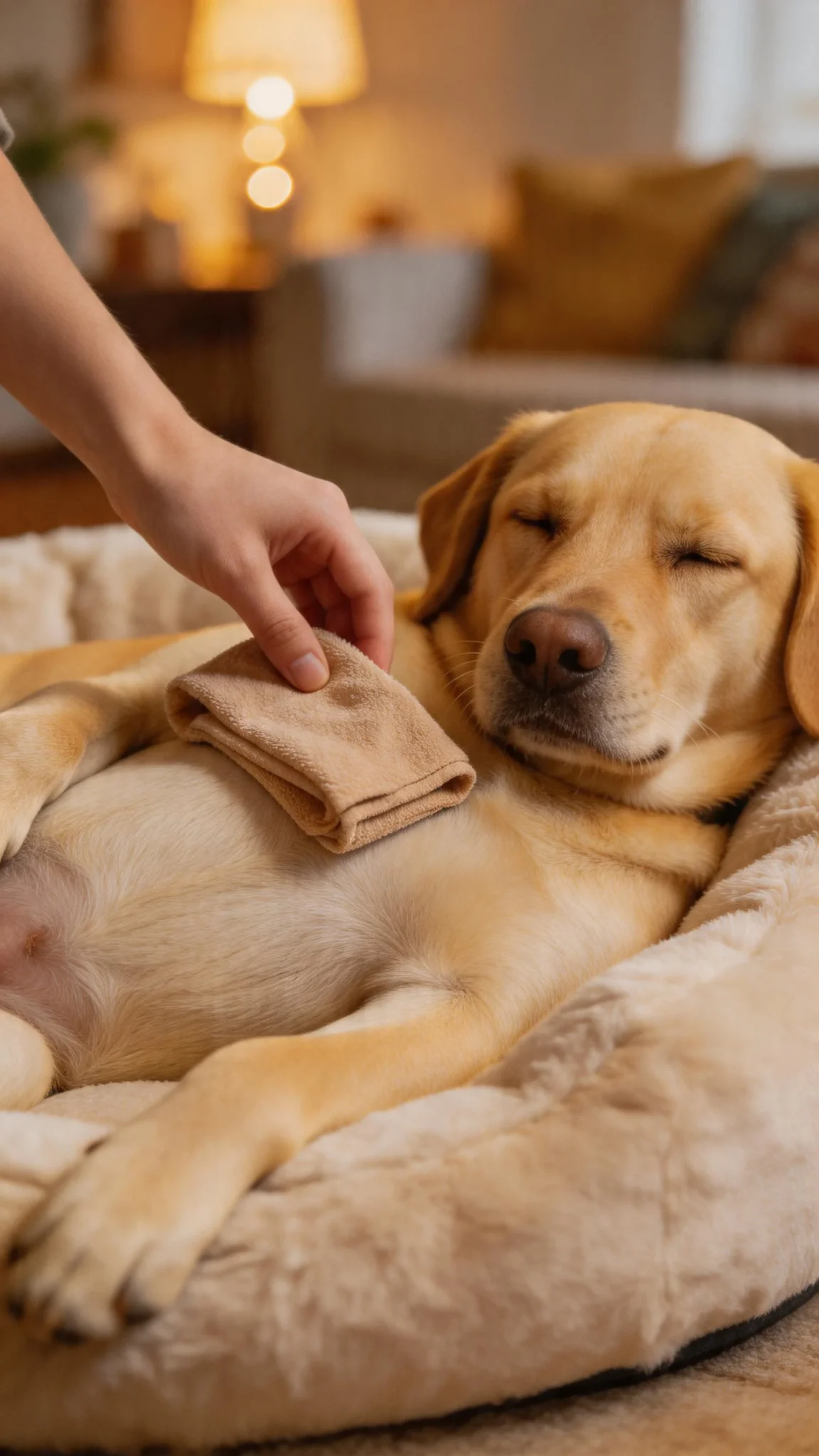
You don’t always need medications to help. Simple, gentle care at home often works wonders:
1. Warm Compresses
A microwaved rice sock or dog heating pad placed on the lower belly for 5–10 minutes can calm aches. We suggest always testing the heat on your own arm first—lukewarm is plenty.
2. Comfy, Supportive Bedding
A soft orthopedic bed allows her to rest her joints and hips. Many of our readers especially like beds with raised edges, as dogs in heat tend to nestle or “nest.” Try a plush donut dog bed for extra comfort.
3. Gentle Massage
With clean hands, lightly rub her back and flanks. This can ease muscle tightness and help anxious dogs relax. Avoid too much pressure around the belly, especially if she seems sensitive or swollen.
4. Calming Chews And Natural Stress Relief
Some dogs benefit from calming treats made with ingredients like chamomile, L-theanine, or melatonin. We’ve found that natural dog calming treats can take the edge off minor mood swings, but always check the label for safety and dosage.
5. Peaceful Environment
Keep her away from rough play toddlers or playful male dogs. Play relaxing music, dim the lights at night, and avoid moving furniture or having lots of guests. A calm home makes a huge difference.
One real-world example: A Labrador I cared for would pace and pant during the first days of heat. Making a routine “den” for her in a quiet room, plus a warm towel and a favorite plush toy, led her to settle down and nap peacefully instead of pacing.
Which Pain Medications Are Safe (And Only With A Vet’s Approval)
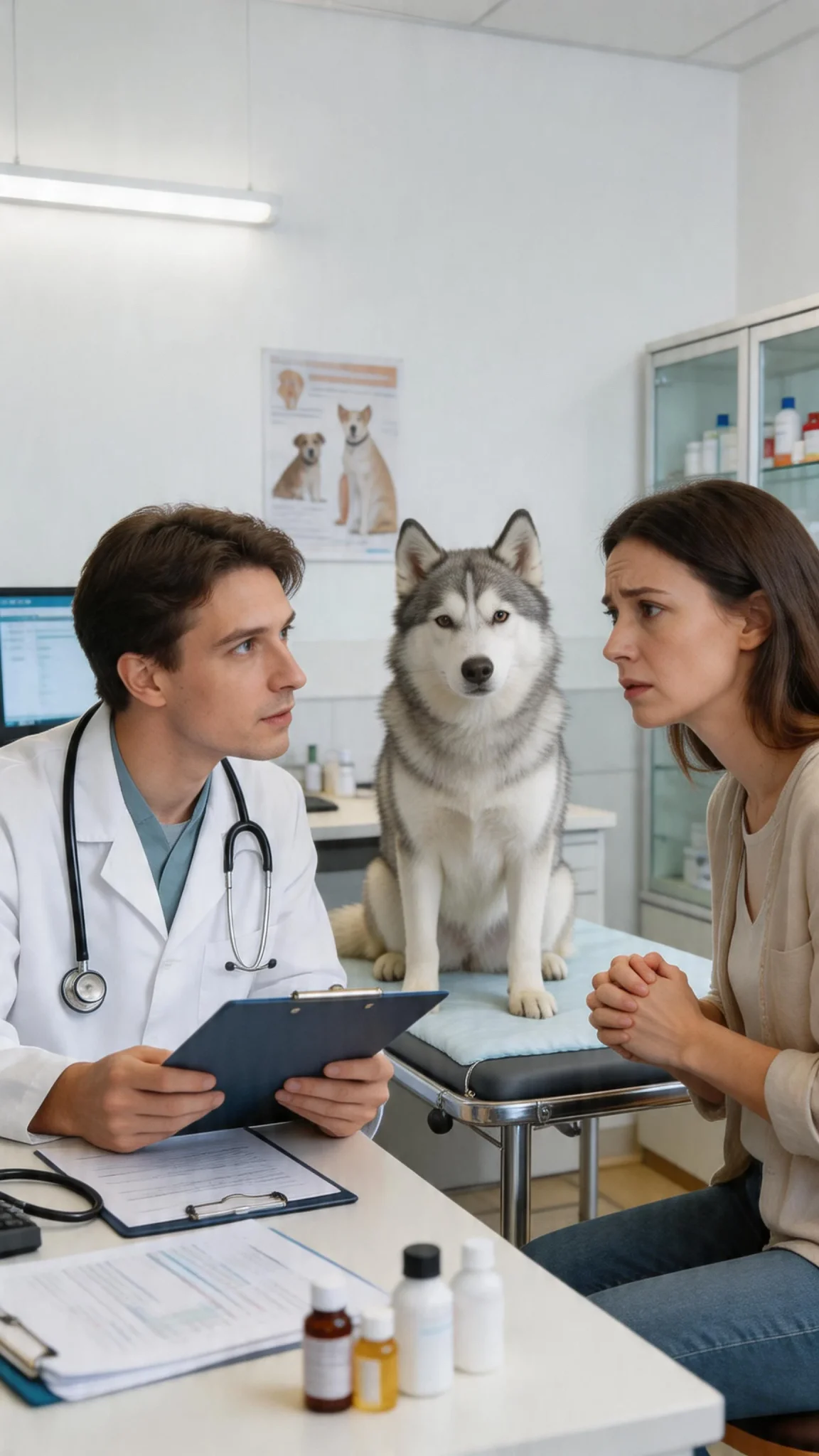
Sometimes home remedies aren’t enough, or your dog seems especially uncomfortable. A veterinarian can recommend safe pain relief—never experiment at home!
Never Give Human Painkillers!
Ibuprofen, acetaminophen (Tylenol), and aspirin are dangerous and can cause kidney damage or even death in dogs. Sadly, we’ve heard from panicked owners who offered a “small dose,” not realizing how toxic these are to pets.
Vet-Prescribed Dog Pain Meds
- NSAIDs specifically for dogs (like carprofen or meloxicam)—these must be prescribed and dosed based on weight
- Gabapentin—sometimes prescribed for severe discomfort or anxiety-related pain
- Other pain medications as advised—ask your vet if your dog’s pain seems unbearable
Your vet may also check for infections, pyometra (a dangerous uterine infection), or other health problems if her discomfort seems extreme or she shows signs such as fever, vomiting, or unusual discharge.
For more details on safely helping your dog in heat, our guide on what to give female dogs in heat for pain covers even more real-world examples and solutions.
Managing Mess, Behavioral Changes, And Preventing Further Stress
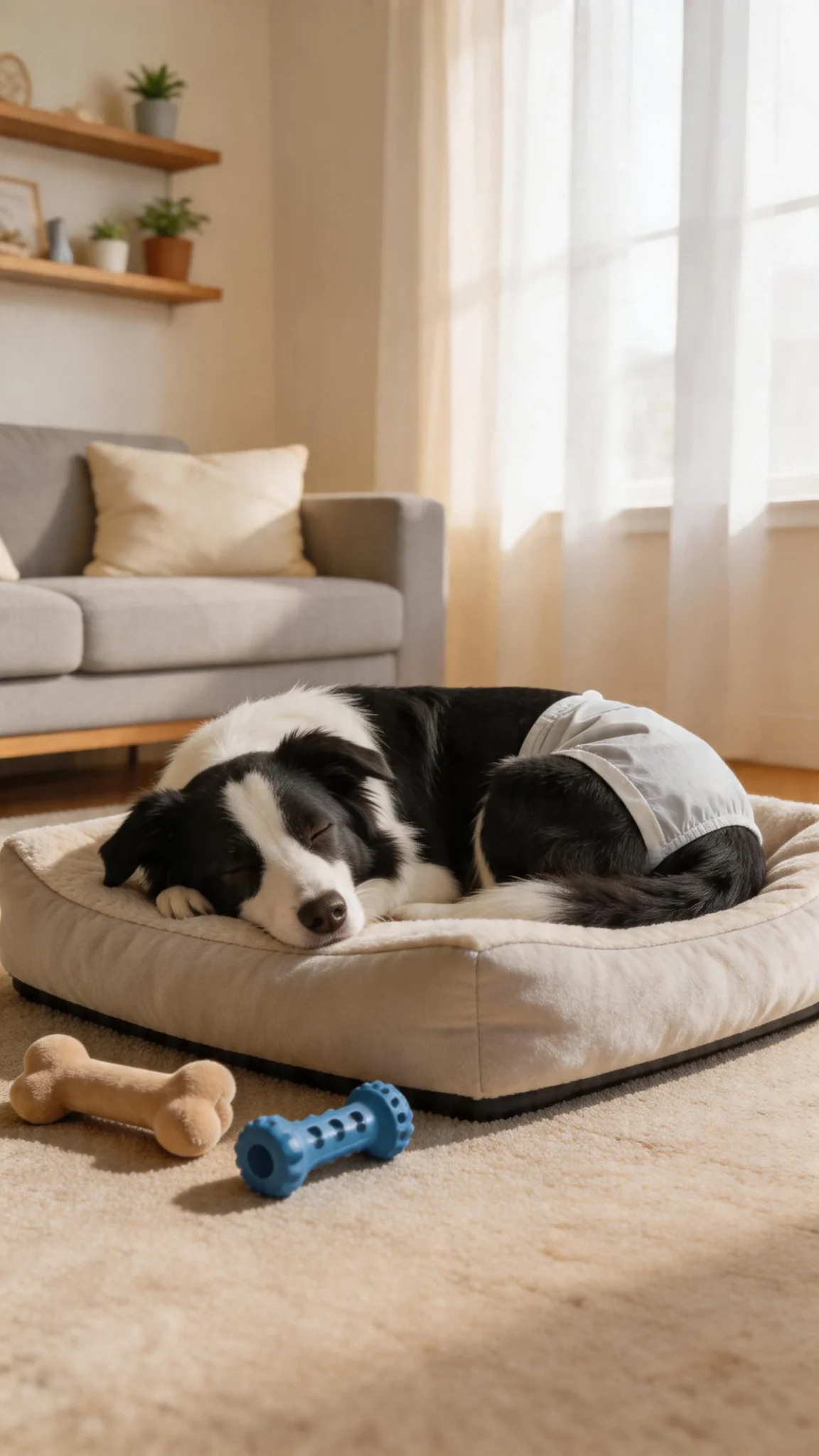
Pain isn’t the only challenge during a dog’s cycle—messiness and odd behaviors often crop up too. Addressing these discomforts can lessen your dog’s stress and physical aches as well.
🛒 This Is What Vets Use For Their Own Dogs
👉 Dog Allergy Relief Immune Support Chews
Using Dog Diapers Or Pants
If discharge is heavy, use washable dog diapers to keep her bedding and surroundings clean. Many dogs find them comfortable; just make sure to change them frequently and check for irritation. Unsure if diapers are right? Our article on should dogs wear diapers when in heat shares pros, cons, and user tips.
Controlling Moodiness And Aggression
Some dogs get cranky or territorial in heat. If you notice unusual aggression, especially in breeds like poodles, see our post on aggressive dog behavior—behavior changes often settle after the cycle.
Protecting Your Dog From Males
Male dogs from several houses away may show up at your door! Keep your female on leash for all outdoor potty trips and supervise her until heat is over.
Offer Extra Attention
Petting, brushing, and a little added reassurance go a long way. Your soothing presence can act as a natural pain reliever during her cycle.
When To See The Vet: Warning Signs Of Something Serious
While some discomfort is normal, certain symptoms mean you should call the vet immediately. In our years working with pets, we’ve seen pyometra mistaken for normal heat more than once—a dangerous assumption. Call your vet if:
- She refuses to eat for over 24 hours
- There’s green/yellow discharge or pus (not normal heat blood)
- Vomiting, diarrhea, fever, or extreme lethargy occur
- Abdominal bloating or visible pain when touched
Fast help can save your dog’s life in these cases.
Step-By-Step: How To Comfort Your Female Dog In Heat
- Set up a quiet resting area with soft bedding.
- Offer a lukewarm compress daily to her belly or hips for 5–10 minutes.
- Try a dog calming spray or pheromone diffuser in her space.
- Take gentle walks on-leash to burn energy, but avoid strenuous play.
- Brush or gently massage her to help soothe and bond.
- Keep male dogs away until the heat cycle ends.
- If she acts unusually distressed, call your vet to discuss safe medication options.
Mistakes To Avoid (Real-Life Examples)
- Never give human painkillers. We’ve seen tragic outcomes from owners dosing ibuprofen “just this once.”
- Don’t ignore extreme symptoms. If your pup acts unusually sick—won’t eat, has colored discharge, or collapses—see a vet right away. Pyometra can look a lot like heat at first.
- Don’t over-exercise. Some dogs become lethargic, others restless. A daily gentle walk is enough and avoids over-exerting her joints and uterus.
- Don’t punish mood swings. One Goldendoodle owner wrote us, worried about her normally mild dog growling at family. Be patient—hormones return to normal after 2–3 weeks.
Expert Insights And Current Trends In Heat Cycle Care
In recent years, more vets are recommending low-stress management and avoiding unnecessary medications during a female’s heat cycle, except for truly severe pain. According to the American Kennel Club, about 60% of pet owners report using natural remedies (warm towels, calming treats) as a first defense before seeking stronger interventions.
Many readers tell us investing in a high-quality orthopedic dog bed not only gets their dogs through heat more comfortably but pays off during senior years too.
Frequently Asked Questions About What To Give Female Dogs In Heat For Pain
Can I Give My Dog Tylenol Or Ibuprofen For Heat Pain?
No, never give Tylenol or ibuprofen to dogs. Both are highly toxic and can cause severe liver, kidney, or GI damage. Only use pain medications prescribed specifically for dogs by your veterinarian.
What Natural Remedies Help Dogs In Heat?
Warm compresses, orthopedic beds, and natural calming chews or sprays often help. There are many calming dog supplements made specifically for canine anxiety and discomfort.
Should I Use Dog Diapers During My Dog’s Heat?
If your dog’s discharge is heavy or she tends to make messes, washable dog diapers are a good choice. Check our post on diapers for dogs in heat for expert advice.
How Long Does The Discomfort Last?
Most dogs feel the most pain and discomfort during the first 7–10 days of their 2–3 week heat cycle. Symptoms usually resolve as hormones stabilize toward the end.
Is Spaying A Permanent Solution?
Yes, spaying eliminates the heat cycle and all related pain or behavioral symptoms. It also protects against uterine infections and unwanted pregnancies, but discuss timing and pros/cons with your vet.
Conclusion
If your female dog is in heat and seems uncomfortable, you have several gentle, effective ways to help her feel better at home. Remember, human painkillers are never safe—stick to cozy bedding, warmth, calming chews, and a peaceful routine until her cycle passes. If discomfort ever seems extreme, reach out to your veterinarian for expert guidance and safe options.
Today, pick one idea from this article—like setting up a cozy corner with a dog soothing bed or trying a warm compress—and watch for signs she’s feeling better. Your care and attention make all the difference to her well-being!