If you are asking, How do I safely walk my pet at night when I am scared?, start by making the walk shorter, brighter, and more planned. A safe night walk is less about fearlessness and more about reducing risk with good gear, a smart route, and a calm routine.
You do not need to push yourself into a long or stressful outing. If your pet is young or still learning leash skills, a short evening walk plus indoor enrichment may be enough; see how far poodle puppies can walk for age-based context.
How do I safely walk my pet at night when I am scared?
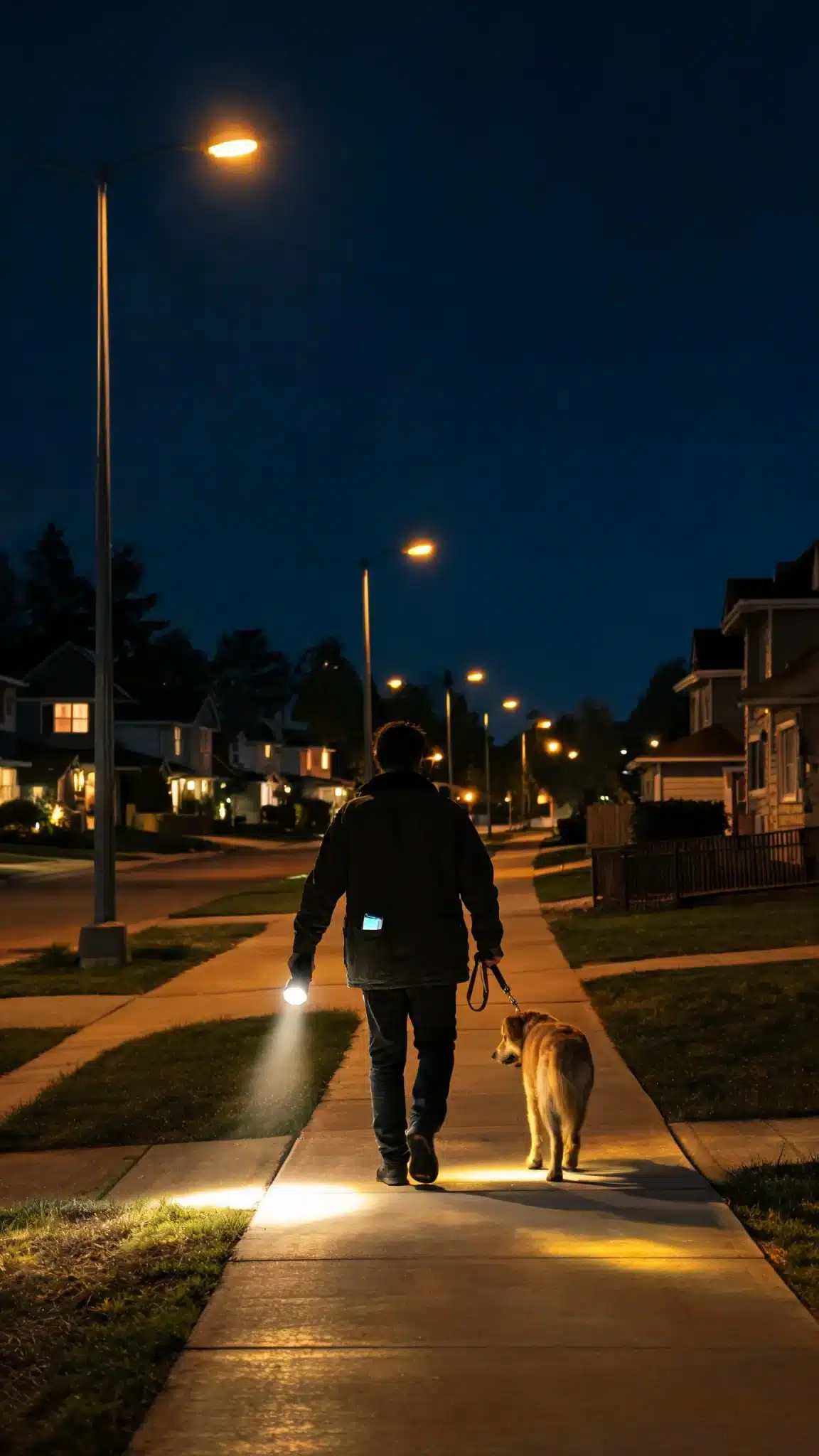
Use a bright route, keep your pet close, carry light and sound tools, and walk with a plan. If fear is intense, choose a shorter loop near home, bring a charged phone, and consider asking a trusted person to join you.
- Wear reflective clothing so drivers can see you.
- Use a leash no longer than six feet.
- Carry a flashlight or headlamp.
- Stay on well-lit streets and paths.
- Keep your phone charged and accessible.
- Trust your gut and turn back early if needed.
The safest night walk is the one you can repeat without freezing up or taking avoidable risks.
What safety gear should I use for night walks?
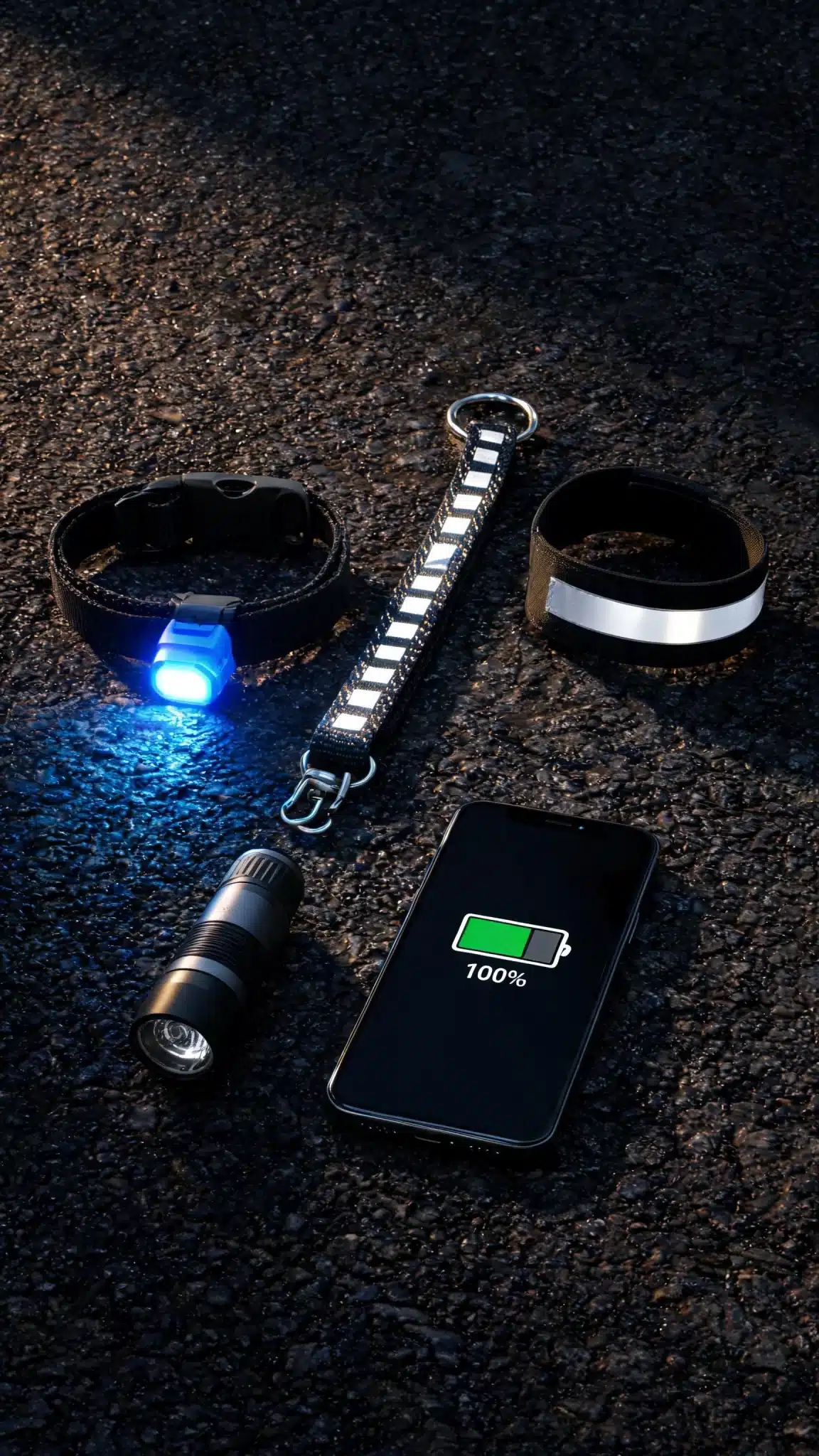
Use reflective or lighted gear so other people and drivers can spot you fast. The best setup is a visible dog, visible human, and a light source that leaves one hand free.
BEFORE YOU SCROLL PAST
Vet-Recommended Articles: 👇
👉 Earthbath Oatmeal And Aloe Shampoo Review
👉 Best Collar For Long Haired Dogs
A reflective harness is often better than a collar because it spreads pressure and gives drivers a larger target to see. A leash that reflects light, plus a flashlight clipped to your hand or body, helps you watch for glass, curbs, and loose animals.
Simple gear that helps most
If your pet gets jittery at night, a well-fitted harness can also make leash control easier, which matters on dark streets. That can be especially helpful for dogs that bark at noises; see 6 reasons your dog barks at night and what to do.
Reflective materials do not make you invincible; they make you easier to notice, which is the whole point.
If your dog drinks after walks and you arrive home late, check water access before bed; that is covered in do dogs need water at night explained.
Where should I walk so I feel safer?
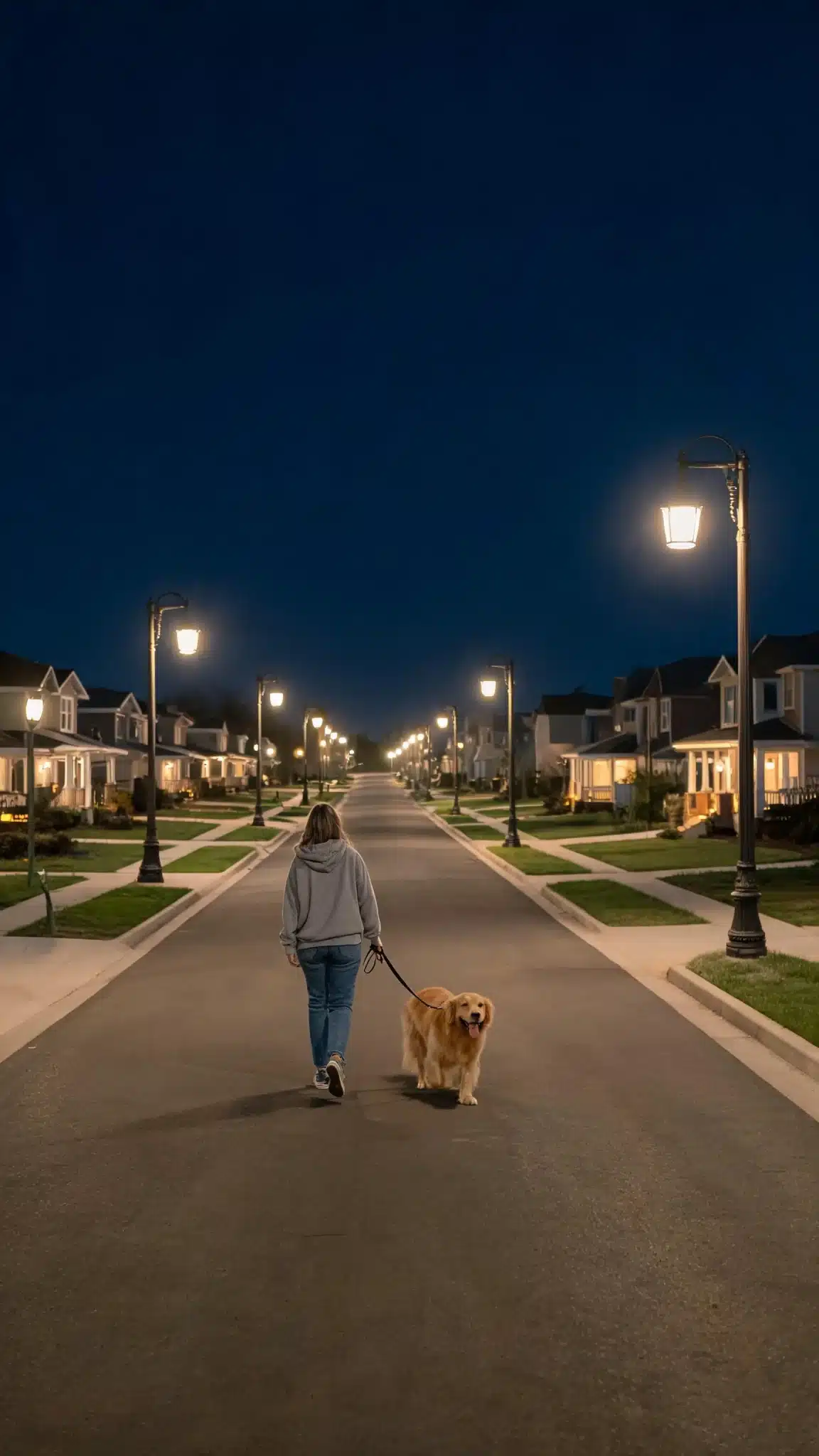
Pick the route that lowers surprise, noise, and isolation. The best night path is usually a familiar loop with good lighting, open sightlines, and a clear exit back home.
Choose streets with working lights, sidewalks, and homes or businesses still open. Avoid shortcuts through empty parks, alleys, tree tunnels, and construction zones if they make you tense or limit visibility.
| Route Type | Safer For | Avoid If |
|---|---|---|
| Bright neighborhood loop | Short, predictable walks | You feel watched on quiet blocks |
| Busy commercial street | Strong visibility | Traffic noise startles your pet |
| Park path | Daytime exercise | Lighting is poor or entrances are hidden |
Short and familiar beats long and isolated when fear is part of the walk.
For safety planning at home, it also helps to know whether your pet is already settling at night or vocalizing; this article on dog crying at night spiritual meaning can point you toward practical causes instead of guesses.
How can I stay calm while walking?
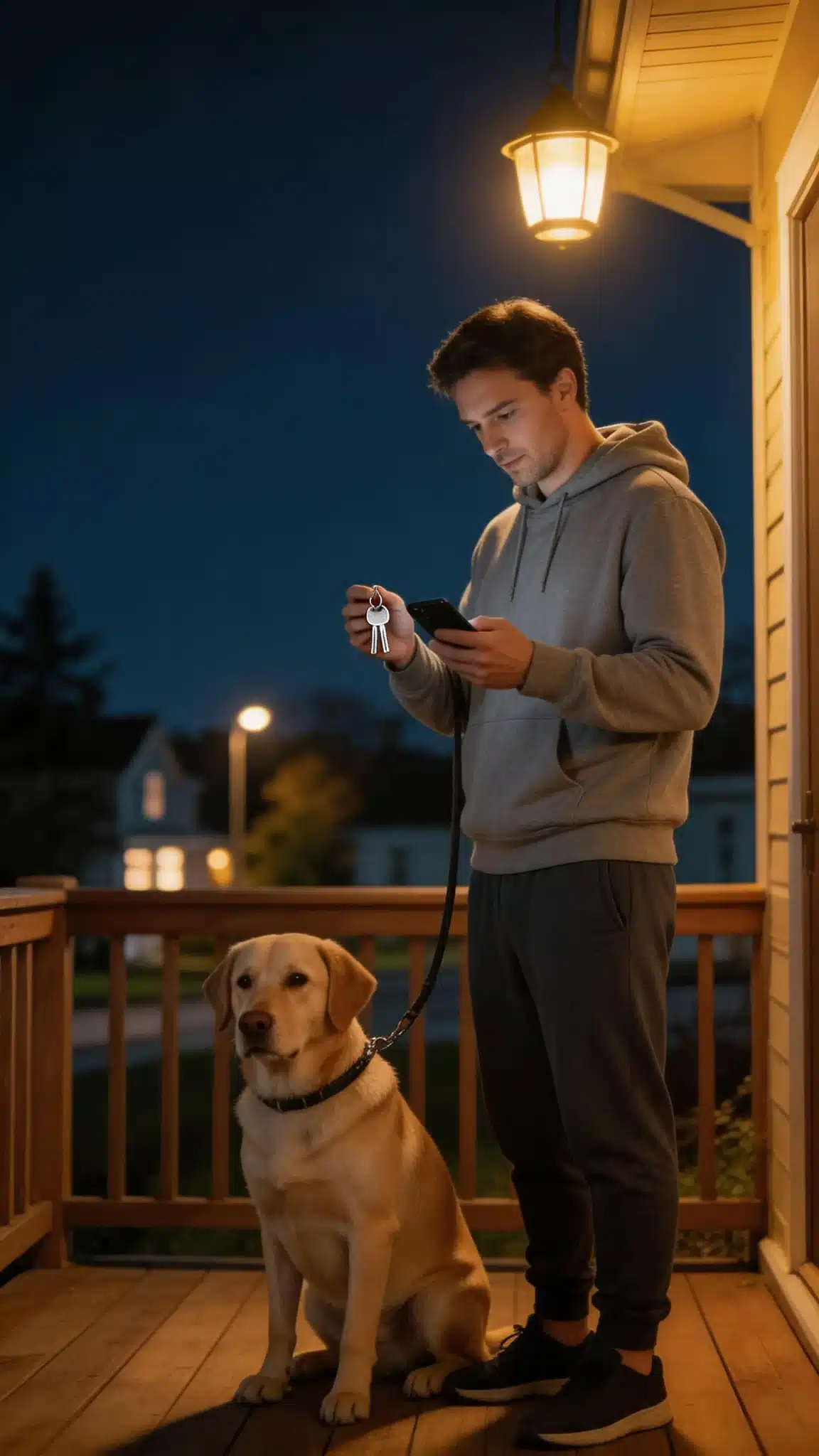
Use a repeatable routine before you leave, because routines lower mental load. When your body expects the same steps every time, your fear is less likely to spike.
Try a 30-second check: keys, phone, light, leash, and route. Then breathe out longer than you breathe in for three or four rounds, which can help settle the nervous system before the leash clip.
Walk-time calming tools
If your fear is linked to being alone, tell one person your route and expected return time. A shared location message can be more useful than trying to “feel brave” on command.
When anxiety is high, shorten the first five minutes of the walk and reward yourself for starting, not for being perfect. If your dog is healthy but your schedule is tight, this can keep the outing realistic after a late day or vet visit; see can I walk my dog after vaccination answered for timing guidance.
Calm comes from structure, not from forcing confidence.
People who prefer medium-sized dogs sometimes choose them partly because they are easier to manage on a leash; medium sized dog breeds that are the perfect first pet for any family can help with future planning.
How should I handle other people, dogs, and surprises?
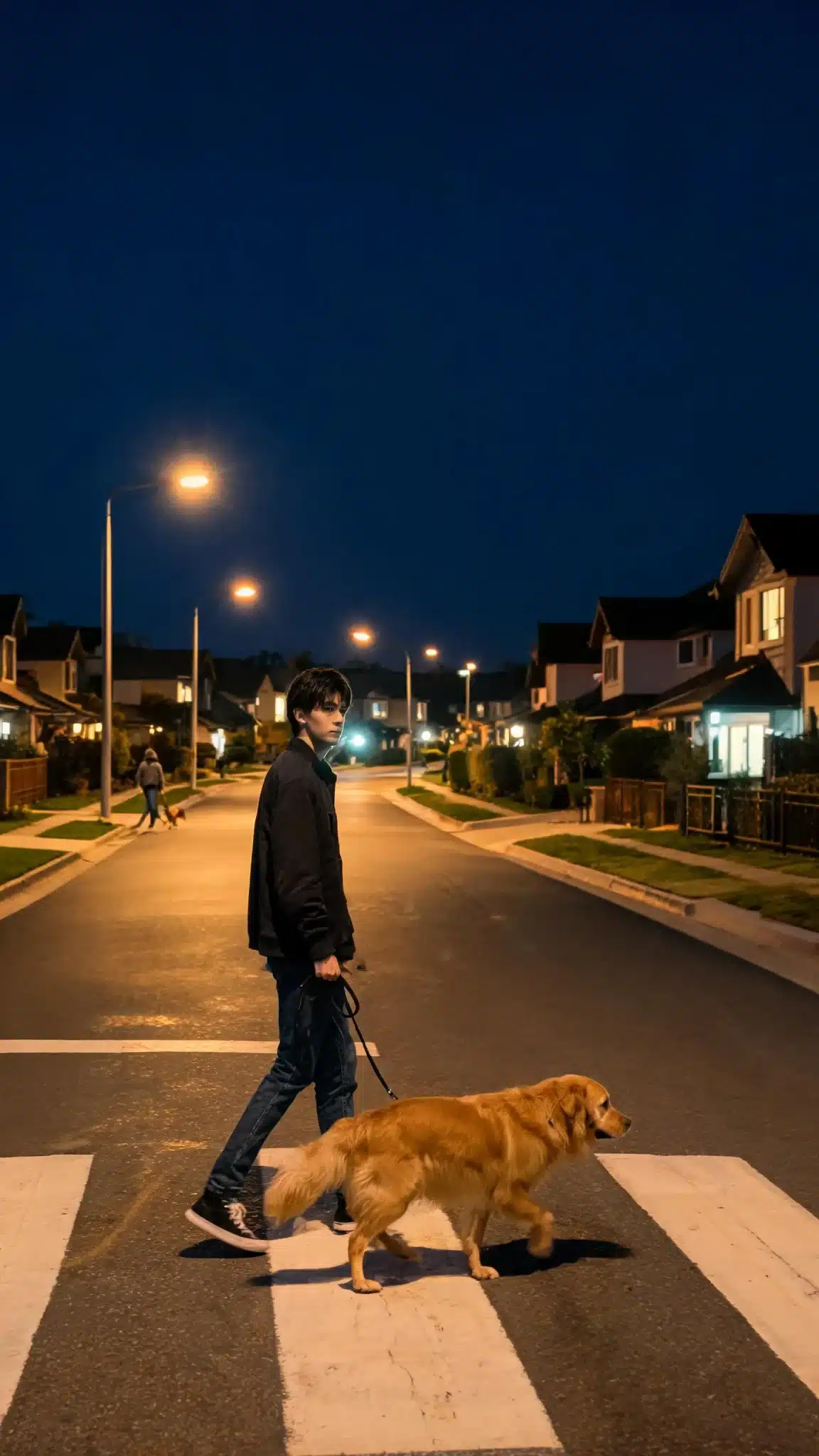
Keep distance first, conversation second. If something feels off, cross the street, step into a lit doorway, or turn around before you are forced to react fast.
Hold the leash short enough that your pet stays beside you, but not so tight that tension travels down the line. For dogs that react to other dogs, practice a simple U-turn at home so the move feels automatic outside.
- Spot the trigger early.
- Increase distance right away.
- Use a calm cue your pet knows.
- Turn and leave if needed.
- Reward your pet after the trigger passes.
If your dog barks when startled, that can be a sign of fear, guarding, or excitement rather than “bad behavior.” A calmer leash hold and more space often reduce the noise faster than scolding.
Distance is your best tool when the night gets unpredictable.
What should I do if I feel unsafe during the walk?
If you feel unsafe, end the walk and go home. You do not need to “finish the route” to count the outing as a success.
Use the fastest visible path back, stay near lit homes or businesses, and call someone if it helps you keep moving. If you think a person is following you, do not go to an empty area; move toward people, lights, or a staffed place.
For legal and personal safety advice on general nighttime precautions, the U.S. Department of Justice offers guidance through its Office on Violence Against Women resources, and the National Highway Traffic Safety Administration has visibility information for pedestrians on pedestrian safety.
After you get home, check your pet for paw cuts, stress, or signs of overheating if the weather is mild. If your dog seems thirsty after the outing, revisit do dogs need water at night explained so the bedtime routine stays steady.
What is the safest step-by-step routine for a scared pet owner?
A short routine can make a frightening task feel manageable. The goal is to remove decisions, reduce exposure, and get both of you home safely.
- Prepare your phone, flashlight, keys, waste bags, and leash before opening the door.
- Dress in reflective clothing and clip on your lighted gear.
- Choose the shortest familiar route with the best lighting.
- Walk at a steady pace and keep your pet beside you.
- Exit early if anxiety rises or the route feels wrong.
Success looks like a calm return home, not a long mileage total. If you want a backup plan, keep a few indoor activities ready so your pet still gets attention after a shortened walk.
Common Mistakes That Make Night Walks Riskier
Small errors can make a dark walk much harder than it needs to be. Most problems come from poor visibility, poor planning, or pushing through fear too long.
- Using only a collar: reduces control; fix: switch to a fitted harness.
- Choosing empty routes: lowers visibility; fix: stick to lit streets.
- Holding the leash too tightly: increases pet stress; fix: keep soft, steady tension.
- Skipping a phone charge: leaves you stranded; fix: charge before dusk.
A safer walk comes from removing avoidable problems before they start.
Frequently Asked Questions About How do I safely walk my pet at night when I am scared?
Is it okay to skip the night walk if I am afraid?
Is it okay to skip the night walk if I am afraid? Yes, if skipping it keeps you safer or calmer, especially during severe anxiety or bad weather. A short indoor session, training game, or yard break can be a better choice that night.
Should I carry pepper spray or an alarm?
Should I carry pepper spray or an alarm? A loud personal alarm can help draw attention, while pepper spray depends on local laws and your comfort using it. Check rules in your area and practice reaching the device before you rely on it.
Is a headlamp better than a phone flashlight?
Is a headlamp better than a phone flashlight? A headlamp is often better because it keeps both hands free and points where you look. A phone light is useful as a backup, but it is easier to fumble with on a leash.
How do I keep my dog from pulling at night?
How do I keep my dog from pulling at night? Keep the leash short, reward loose-leash walking, and turn away before tension builds. Night practice is easier if you work on leash skills indoors first.
What if my pet is scared of the dark too?
What if my pet is scared of the dark too? A scared pet may need a brighter route, slower pace, and more praise for calm behavior. If the fear is new or extreme, ask a veterinarian about pain, vision, or anxiety issues.
Can I walk my dog alone if I feel panicky?
Can I walk my dog alone if I feel panicky? Yes, but only if you can keep control and make safe choices. If panic makes you freeze, get support, shorten the walk, or choose a different potty solution that night.
Conclusion
The safest night walk starts with visibility, a short route, and a plan you can repeat when your nerves rise. If you want one action to take tonight, prepare your leash, light, and route before dark so the first step feels easier.
Keep the walk simple, keep the distance short, and go home early if you need to. Your pet needs you steady more than they need you fearless.