You take your rescue dog outside, wait, encourage, and still nothing happens. Then minutes after coming back in, there is a puddle on the floor, and you are left asking, why is my rescue dog refusing to urinate outside?
This problem is common in newly adopted dogs, especially those with a history of stress, confinement, poor house-training, or untreated medical issues. The reason is usually not stubbornness, and that is good news because behavior based on fear, confusion, or discomfort can be changed.
Why is my rescue dog refusing to urinate outside?
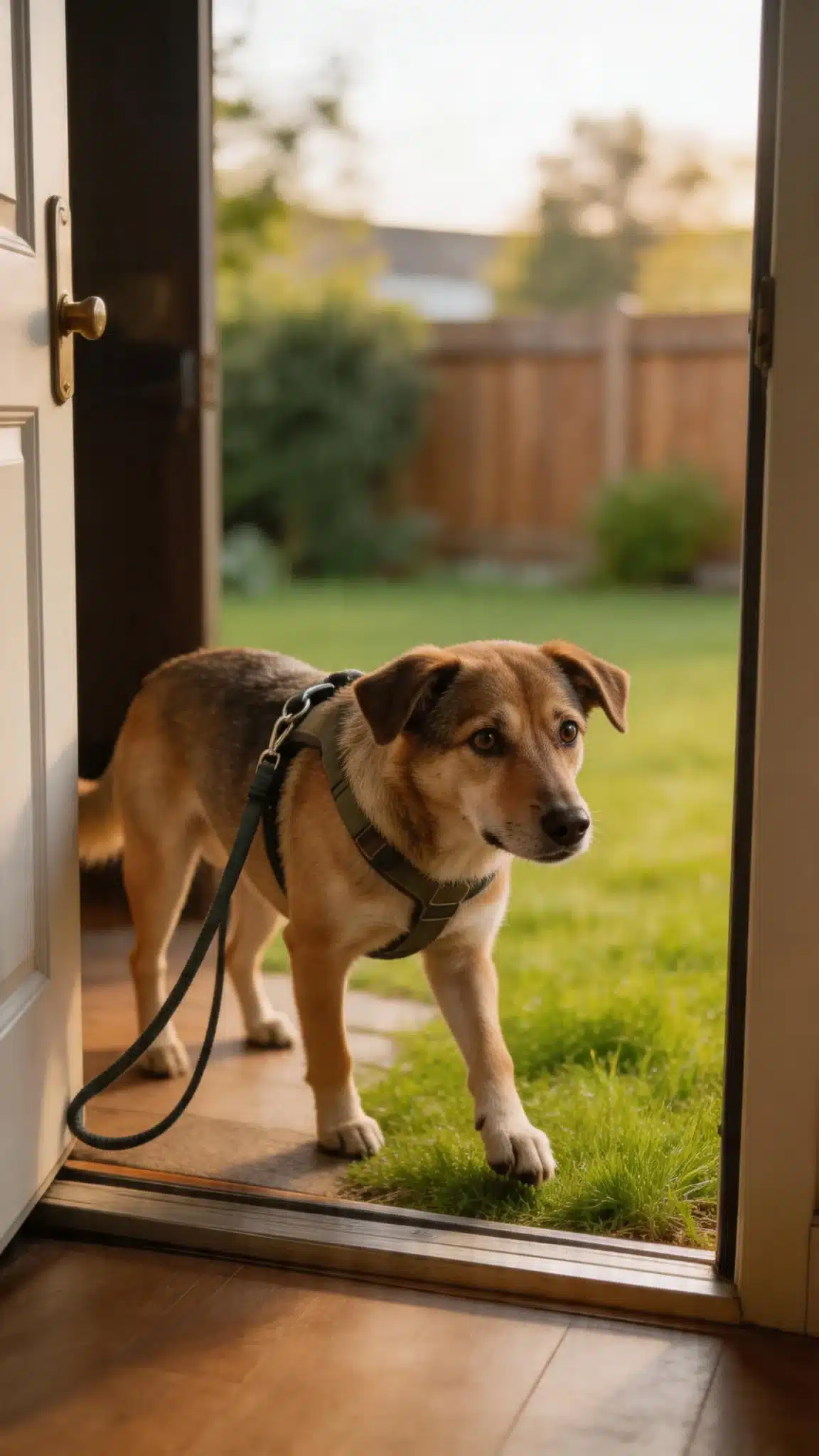
A rescue dog may refuse to urinate outside because the outdoors feels unsafe, unfamiliar, or overstimulating, or because a medical problem makes urination painful or urgent. Many rescue dogs were never properly house-trained, learned to toilet on indoor surfaces, or are still decompressing after adoption.
- Stress can suppress urination outside.
- Pain can make dogs hold urine or have accidents.
- Past living conditions shape toilet habits.
- Noisy yards can block relaxed urination.
- Indoor smells can trigger repeat accidents.
- Most cases improve with routine and vet support.
Is my rescue dog scared, confused, or not actually house-trained?
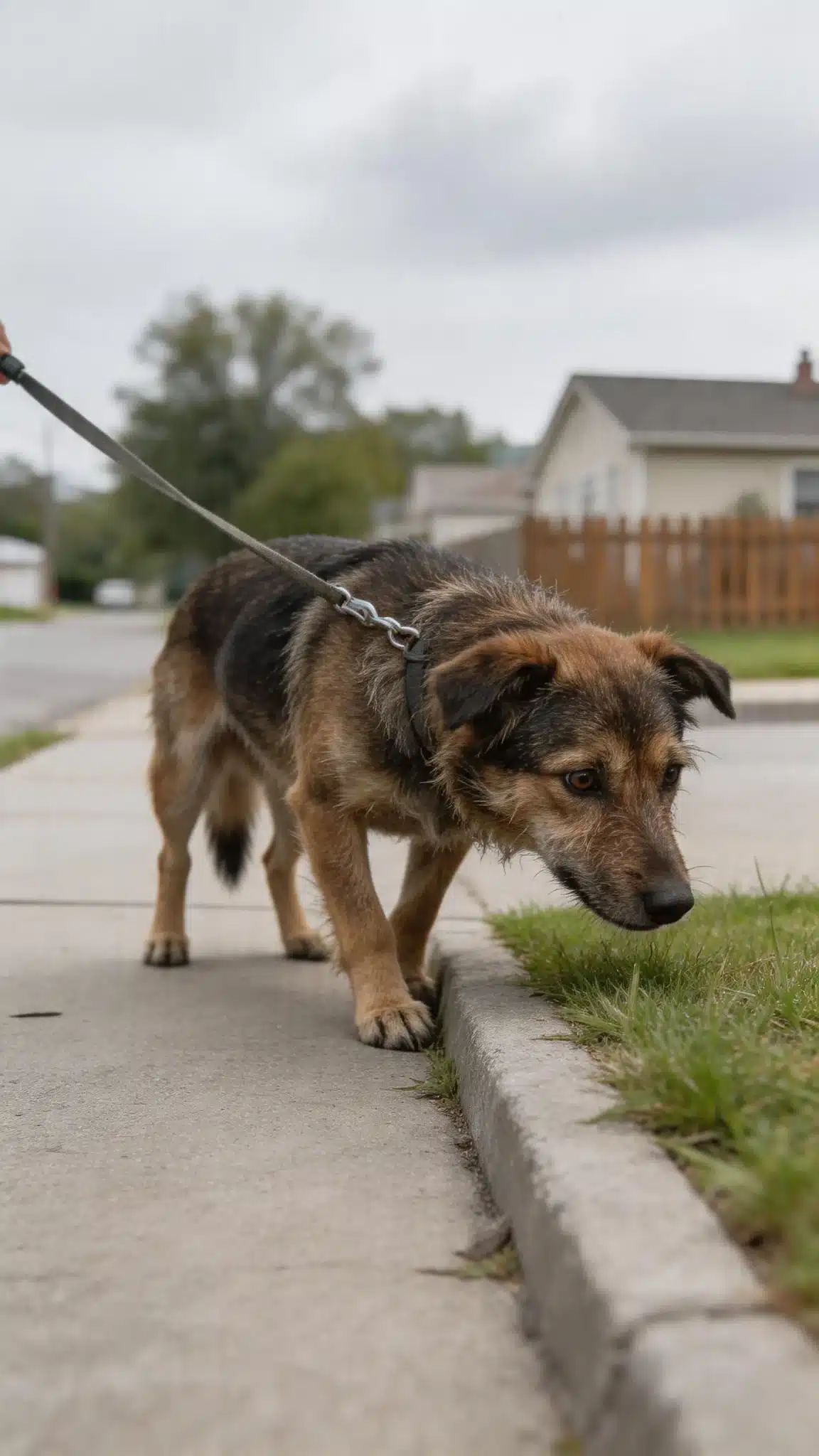
Many rescue dogs refuse to pee outside because they are scared, confused, or were never taught where to go. A dog can look adult and still have no clear idea that grass, gravel, or walks are the right bathroom spot.
Dogs from shelters, puppy mills, hoarding cases, or long-term crate situations often have unusual elimination habits. Some learned to urinate where they slept, while others only feel safe on absorbent indoor surfaces like rugs or bath mats.
BEFORE YOU SCROLL PAST
Vet-Recommended Articles: 👇
👉 Earthbath Oatmeal And Aloe Shampoo Review
👉 Best Collar For Long Haired Dogs
For a rescue dog, refusing to urinate outside often reflects history, not defiance.
Why the outside world can shut urination down
Urination is a vulnerable act. If your dog hears traffic, sees strangers, smells other animals, or feels exposed on a leash, they may keep holding it until they are back in a familiar room.
The American Society for the Prevention of Cruelty to Animals notes that stress can affect house-soiling behavior, especially during transitions and routine changes. Newly adopted dogs may need days or weeks before they feel safe enough to toilet outdoors consistently.
- New surfaces can feel wrong under the paws.
- Leashes can create tension if the dog freezes outdoors.
- Busy apartment entrances can be overwhelming.
- Rain, wind, and darkness can increase fear.
Signs your dog is confused rather than “being stubborn”
A confused dog may sniff, circle, and then hold it outside for long stretches. They often urinate soon after re-entering the house, especially in low-traffic rooms.
If your dog also struggles with settling at night, that stress pattern may overlap with toilet issues. Articles on reasons dogs bark at night often connect nighttime vocalizing with anxiety, routine disruption, and unmet comfort needs.
Veterinary behavior guidance from groups such as the AVSAB stresses that punishment increases fear and can worsen house-training problems.
Could a medical problem be stopping my dog from peeing outside?
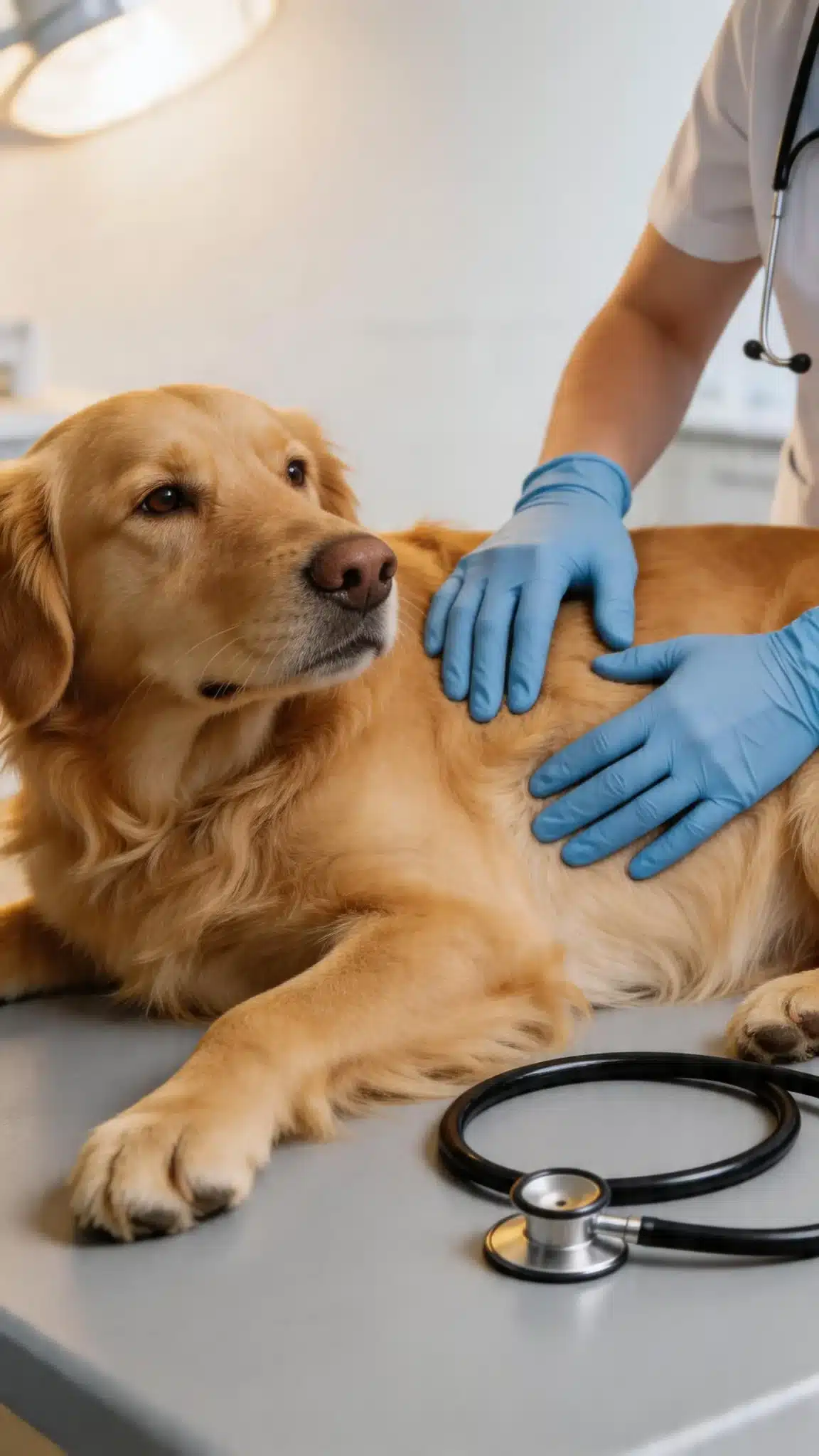
Yes, a medical issue can absolutely make a rescue dog avoid urinating outside or have accidents indoors. Pain, urgency, kidney problems, bladder inflammation, and hormone-related incontinence can all change where and when a dog pees.
This is one of the first things to rule out, because training alone will not fix discomfort. A dog with a urinary tract infection may hold urine outside, then suddenly leak or squat indoors when the urge becomes too strong.
| Possible issue | Common signs | What to do |
|---|---|---|
| Urinary tract infection | Frequent squatting, straining, licking, small amounts | Book a vet exam and urine test |
| Bladder stones | Pain, blood in urine, repeated attempts | Seek prompt veterinary care |
| Kidney disease | Drinking more, peeing more, accidents | Ask for bloodwork and urinalysis |
| Incontinence | Dribbling during rest or sleep | Discuss medication options with your vet |
Red flags that need a vet visit soon
If your dog strains, cries, passes blood, or cannot urinate, treat it as urgent. Urethral obstruction can become life-threatening, especially in male dogs.
The Merck Veterinary Manual and Cornell University College of Veterinary Medicine both list straining, frequent urination, blood, and discomfort as signs that need veterinary attention. If your dog is also recovering from illness, other care questions like whether to force feed a dog with parvo belong with a veterinarian, not trial-and-error at home.
- Blood in urine
- Whining while trying to pee
- Repeated squatting with little output
- Sudden accidents after being house-trained
- Excess thirst or weight loss
For dogs that need urine collection support or cleaner accident management, a pack of dog pee pads can help protect floors while you wait for the appointment. They are a management tool, not the final training plan.
How does a rescue dog’s past change potty behavior?
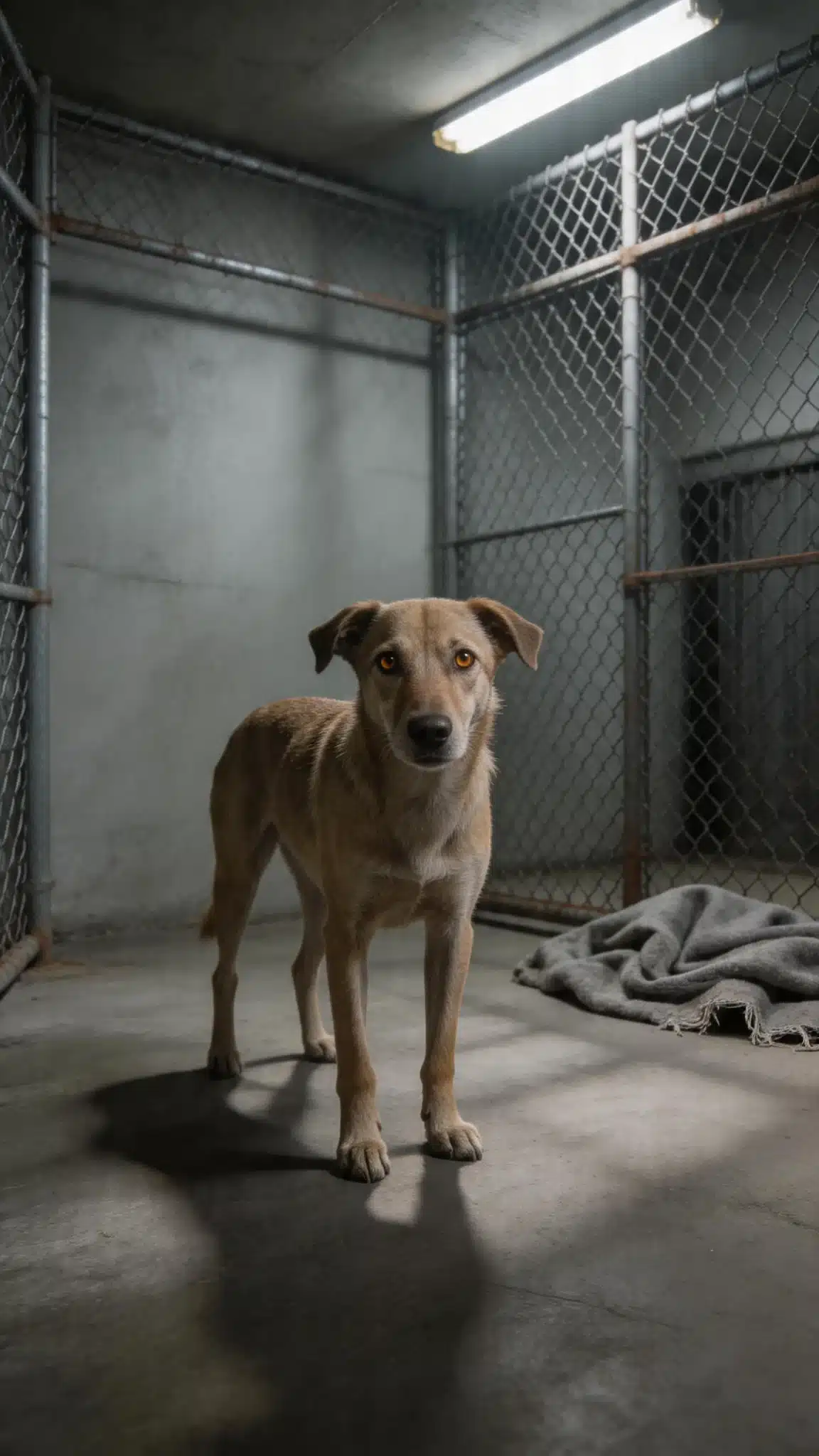
A rescue dog’s past can shape potty behavior more than age or breed. Dogs repeat what once kept them safe, even when that habit makes no sense in a new home.
A dog raised in a kennel may have learned to eliminate on concrete. A dog from a home with punishment may hide to urinate, which is why indoor accidents often happen behind furniture or in spare rooms.
Your dog is responding to old patterns until new ones feel safer and easier.
Common background patterns
Some rescue dogs came from places where outdoor access was limited or unpredictable. Others spent so much time indoors that carpet became their toilet cue.
- Kennel-raised dogs may prefer hard surfaces.
- Puppy mill survivors may soil sleeping areas.
- Punished dogs may avoid peeing in front of people.
- Former strays may mark many spots instead of emptying fully.
If your dog is a small breed or a mix with poodle traits, bladder size and weather sensitivity may matter too. Breed tendencies are never the full answer, but background can interact with physical traits, as general guides like poodle dog breed information often explain.
Why some rescue dogs pee indoors right after a walk
This pattern usually means the dog did not relax enough outside to empty the bladder. Once back inside, the stress drops, familiar smells return, and the body finally lets go.
Indoor scent matters more than many owners expect. The Humane Society of the United States advises using enzymatic cleaners because ordinary cleaners can leave odor traces that draw dogs back to the same spot.
If your dog keeps returning to one area, an enzymatic dog urine cleaner is more useful than standard soap. It reduces odor signals that encourage repeat accidents.
What should I do to teach my rescue dog to pee outside?
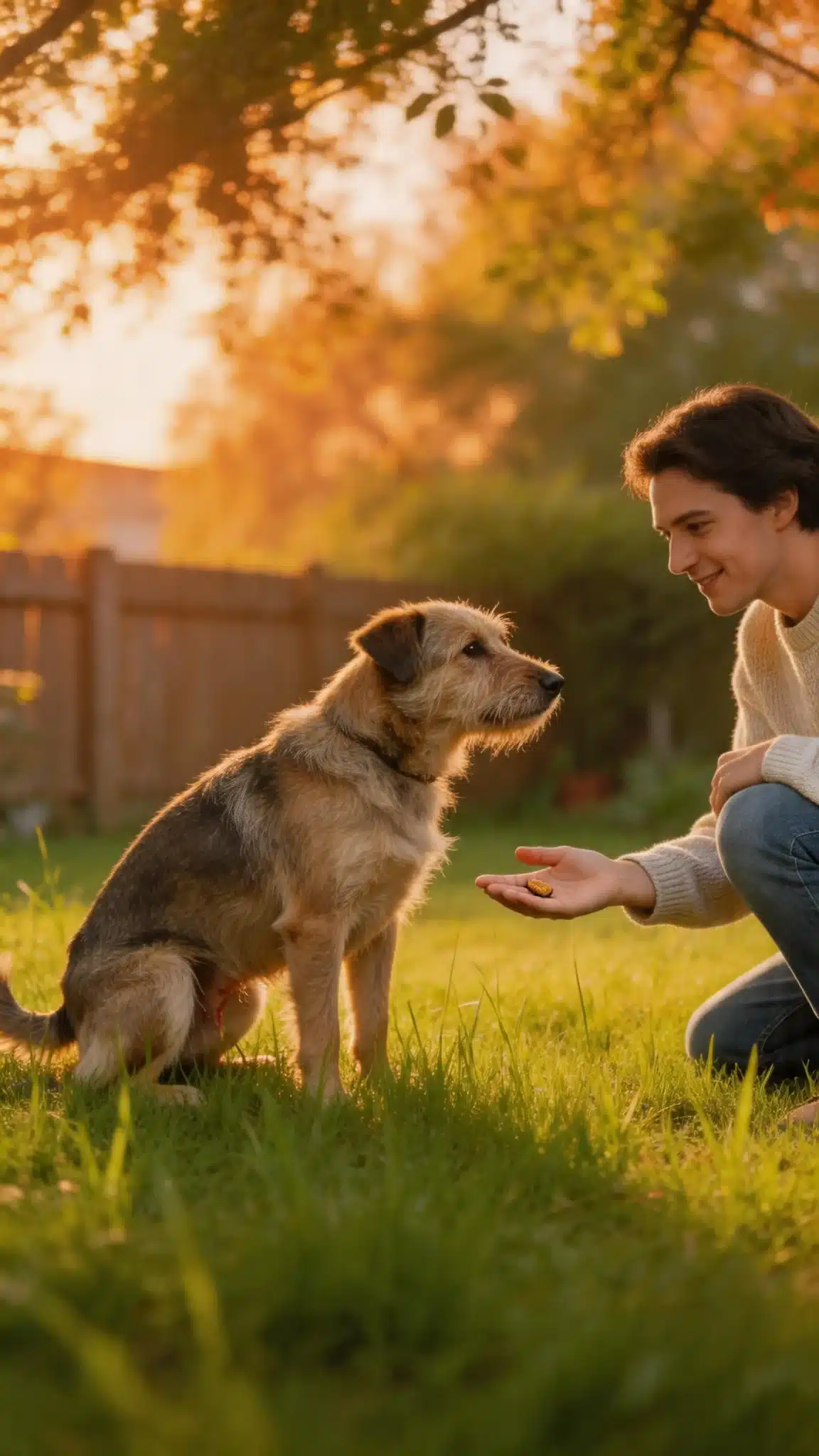
The best plan is a calm, predictable routine that makes outdoor urination easy, safe, and rewarding. Rescue dogs improve faster when you manage the environment, prevent indoor rehearsals, and reward the exact moment they finish peeing outside.
This process works better than waiting them out for hours. It also gives you a way to spot whether fear, confusion, or a medical issue is the bigger factor.
- Pick one toilet spot. Use the same small area each trip so the smells become familiar and relaxing.
- Go out on a schedule. Take your dog out after waking, after meals, after play, and every few hours between.
- Stand still and stay quiet. Give three to five minutes with little movement so your dog can focus.
- Reward immediately. The second your dog finishes peeing outside, give praise and a small treat. Success looks like faster urination in that same spot over several days.
- Supervise indoors. Use a leash indoors, baby gates, or a small safe area to prevent sneaky accidents.
- Clean accidents fully. Remove odor so the same place does not become the default toilet.
- Track patterns. Note time, location, and amount. A pattern helps your vet and improves your timing.
How long should you stay outside?
Long outdoor waits can backfire if your dog is afraid. Start with short, frequent trips instead of one exhausting standoff.
If your dog does not pee, come inside for 10 to 15 minutes with close supervision, then try again. This prevents the classic accident right after re-entering the home.
What rewards work best?
Use food your dog values and only deliver it after outdoor urination. A small pouch of dog training treats makes the timing easier on walks and in the yard.
For male dogs that also mark every few steps outdoors, the problem may be partly different from full bladder emptying. This guide on how to stop a male dog from peeing on everything outside can help you separate marking from normal urination.
When should I get help from a trainer or behavior professional?
Get professional help if your dog panics outside, has frequent accidents despite a clear routine, or seems too fearful to toilet in your presence. A certified trainer or veterinary behavior professional can build a plan that fits your dog’s triggers and history.
Look for force-free credentials and experience with fearful dogs, not just general obedience. The Certification Council for Professional Dog Trainers and the American Veterinary Society of Animal Behavior both emphasize reward-based methods for fear-related problems.
- Ask how they handle accidents and fear.
- Avoid anyone who recommends punishment for urination.
- Choose someone willing to coordinate with your vet.
- Ask for a written training plan and tracking goals.
If your rescue is newly adopted and also behind on vaccines, ask your veterinarian about safe potty options before using public dog areas. Guidance on walking a dog after vaccination can help you balance training with health safety.
A dog that feels safe learns faster. A dog that feels cornered often stops giving clear signals.
Common mistakes that keep rescue dogs from peeing outside
Small training mistakes can keep the problem going even when your intentions are good. Most of them boil down to moving too fast, using punishment, or giving the dog too much freedom indoors.
- Waiting for one long walk to solve it. The consequence is bladder holding and indoor accidents. The fix is short, frequent trips.
- Scolding after an accident. The consequence is more hiding and fear. The fix is quiet cleanup and better supervision.
- Changing potty spots constantly. The consequence is confusion. The fix is one predictable bathroom area.
- Using harsh cleaners. The consequence is repeat marking or urination in the same place. The fix is an enzymatic product.
- Ignoring medical signs. The consequence is pain and delayed treatment. The fix is a vet visit for urinalysis when symptoms appear.
Frequently Asked Questions About Why is my rescue dog refusing to urinate outside?
How long does it take a rescue dog to learn to pee outside?
How long it takes a rescue dog to learn to pee outside depends on stress level, history, and health. Some dogs improve in days, while fearful or previously neglected dogs may need several weeks of consistent routine.
Why will my rescue dog poop outside but not pee outside?
Why your rescue dog will poop outside but not pee outside often comes down to different emotional thresholds. Peeing can require more relaxation, and some dogs hold urine when the environment feels too exposed or busy.
Should I use pee pads for a rescue dog that will not go outside?
Should you use pee pads for a rescue dog that will not go outside depends on the situation. Pee pads can be useful short-term for medical problems, severe fear, or apartment logistics, but they can slow outdoor training if used without a plan.
Can anxiety stop a dog from peeing outside?
Can anxiety stop a dog from peeing outside? Yes, anxiety can stop a dog from peeing outside because stress keeps the body tense and alert instead of relaxed enough to eliminate.
Why does my rescue dog pee indoors right after coming back inside?
Why your rescue dog pees indoors right after coming back inside is usually because the dog did not feel safe enough to finish outside. Once indoors, familiar smells and lower stress allow the bladder to empty.
When is refusing to pee outside an emergency?
When refusing to pee outside becomes an emergency is when your dog strains, cries, produces little or no urine, or has blood in the urine. Those signs need same-day veterinary advice, especially in male dogs.
Conclusion
The biggest takeaway is simple: a rescue dog refusing to urinate outside is usually dealing with fear, confusion, old habits, or pain, not bad attitude. Start today by choosing one outdoor potty spot, rewarding the instant your dog pees there, and booking a vet visit if anything about urination looks painful or unusual.
For veterinary guidance, see the Merck Veterinary Manual on urinary tract disorders in dogs and Cornell’s canine house-soiling information. With a steady routine and the right support, most rescue dogs do learn that outside is the safe place to go.