Your dog gets up from a nap, looks stiff, and struggles to walk for a few steps. If you are asking, why is my dog having trouble walking after waking up, the answer can range from simple age-related stiffness to pain, injury, arthritis, nerve disease, or an emergency that needs same-day veterinary care.
Morning or post-rest trouble walking is common in older dogs, but it is not something to ignore. If your dog also seems weak, cries out, drags a leg, or cannot stand, contact a veterinarian right away.
Why is my dog having trouble walking after waking up?
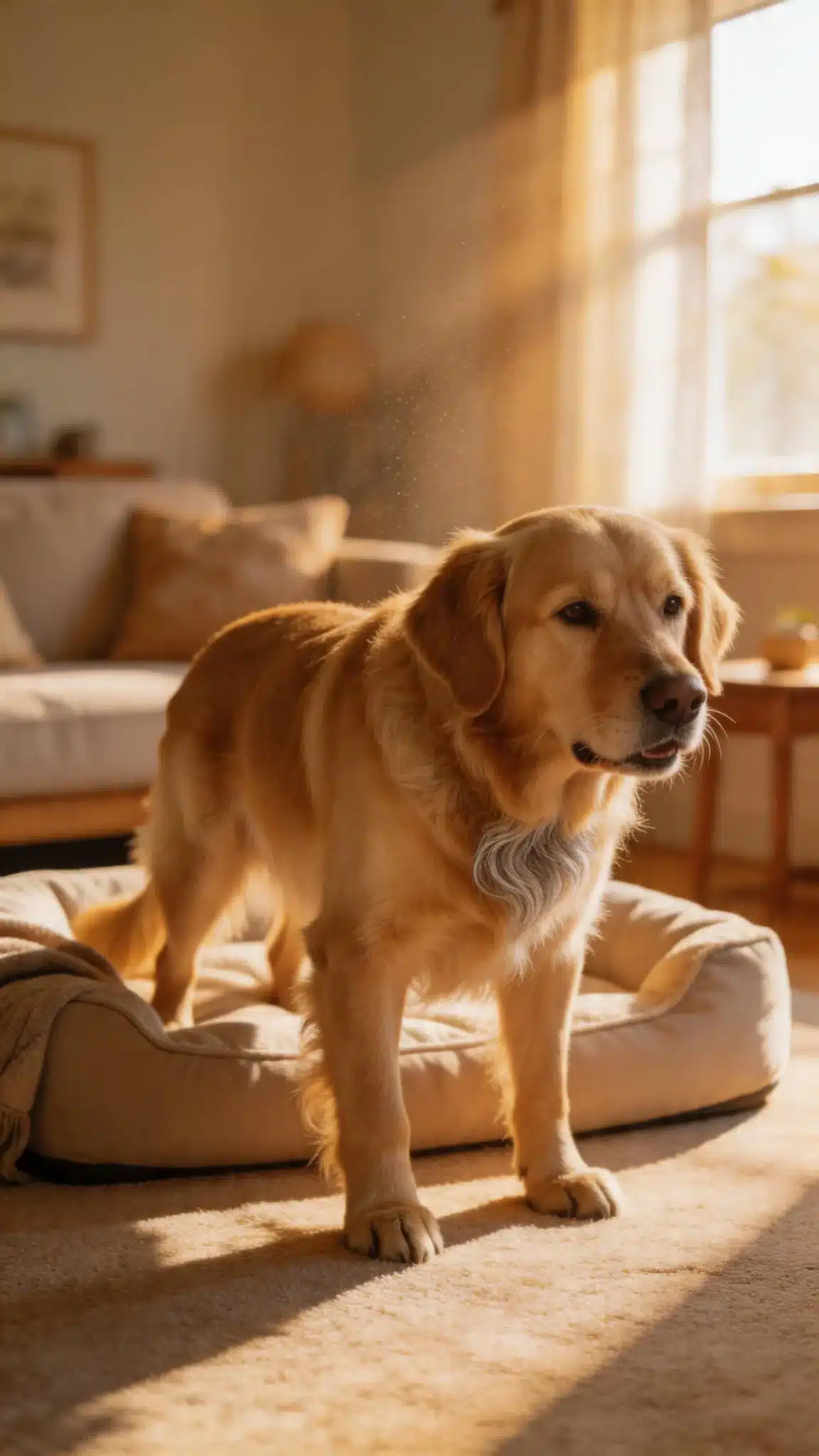
Dogs often have trouble walking after waking up because joints, muscles, or nerves feel stiff after rest. Common causes include osteoarthritis, hip dysplasia, cruciate ligament injury, intervertebral disc disease, muscle strain, paw pain, and age-related weakness, but sudden severe trouble can point to a medical emergency.
- Arthritis often looks worse after rest, then improves with gentle movement.
- Sudden collapse, dragging limbs, or severe pain needs urgent care.
- Older and large-breed dogs have higher arthritis risk.
- Paw injuries can mimic leg or back problems.
- Slippery floors often make mild weakness look worse.
What are the most common reasons a dog is stiff after sleeping?
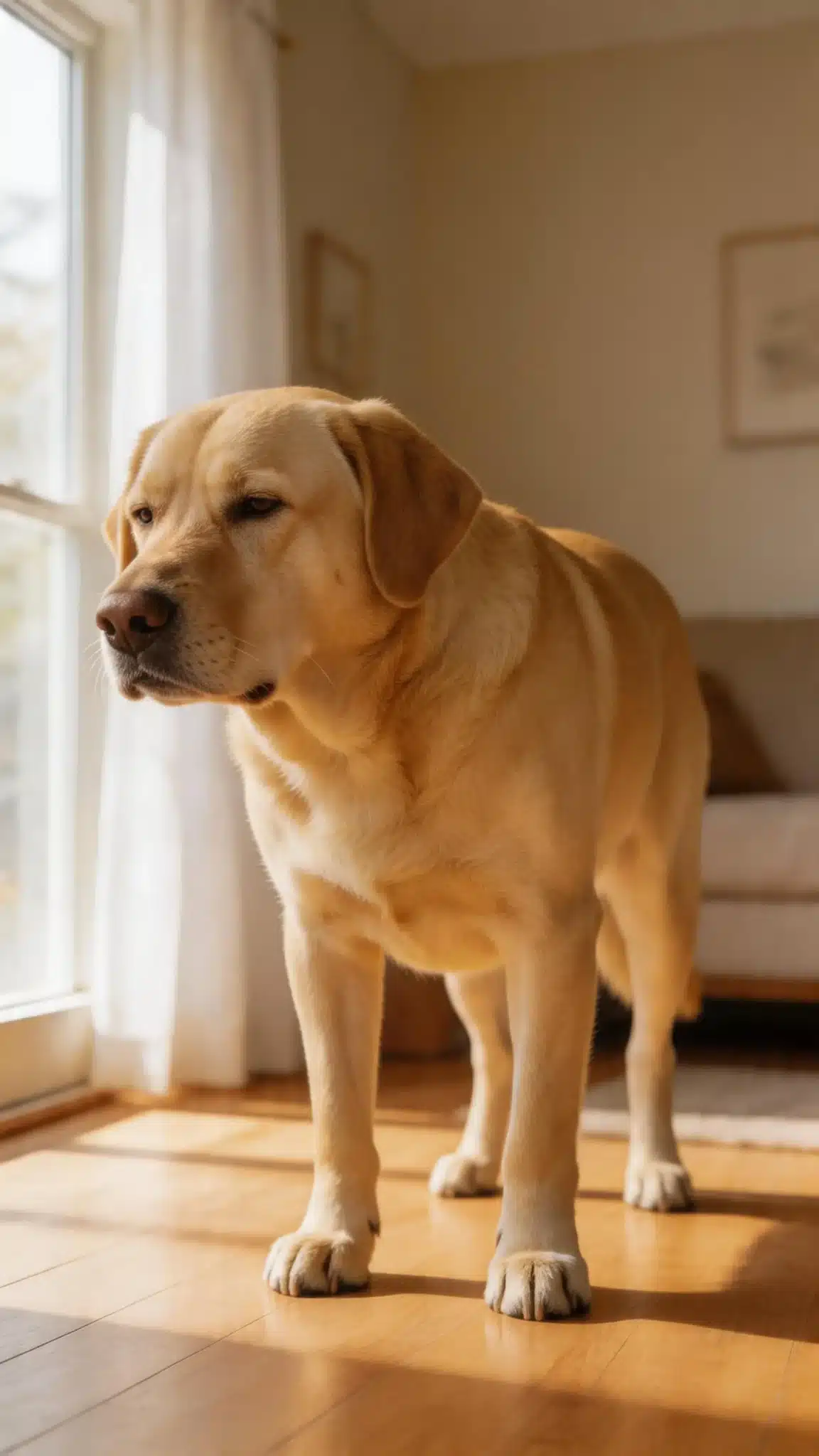
The most common reason a dog is stiff after sleeping is joint disease, especially osteoarthritis. Other common causes include soft-tissue injury, back pain, neurologic disease, and soreness from too much activity the day before.
Stiff after rest usually points to pain, inflammation, or weakness somewhere in the body.
BEFORE YOU SCROLL PAST
Vet-Recommended Articles: 👇
👉 Earthbath Oatmeal And Aloe Shampoo Review
👉 Best Collar For Long Haired Dogs
The American College of Veterinary Surgeons notes that osteoarthritis is one of the most common causes of chronic pain in dogs. It often shows up as stiffness after getting up, hesitation on stairs, slower walks, and difficulty jumping into the car.
Arthritis and age-related joint wear
Arthritis tends to be most obvious after rest because inflamed joints stiffen when they stay still. Many dogs loosen up after a few minutes, which can fool owners into thinking the problem is minor.
- Stiffness after naps or first thing in the morning
- Reluctance to climb stairs or jump
- Limping that improves, then returns later
- Less interest in long walks or play
Large breeds, overweight dogs, and seniors are at higher risk. If you own a breed with known joint issues, breed background can help you spot patterns early, as outlined in this Poodle dog breed information guide.
Injuries, overuse, and paw pain
A minor injury can also show up after sleep because the body cools down and sore tissue tightens. Dogs that ran hard, slipped, or played rough the day before may look much worse when they first stand up.
Paw pad cuts, torn nails, foxtails, and interdigital cysts can make a dog tiptoe or limp after getting up. Checking the paws is simple and often missed.
If your dog already uses home support, a non-slip dog grip socks set may help on slick floors while you arrange a vet visit.
Could it be arthritis, hip dysplasia, or something more serious?
Yes, trouble walking after waking up can be arthritis or hip dysplasia, but it can also be a more serious spine, nerve, or muscle problem. The pattern matters: gradual stiffness suggests chronic joint disease, while sudden weakness, knuckling, or dragging a leg can signal an urgent condition.
The Orthopedic Foundation for Animals and ACVS both describe hip dysplasia as a developmental joint problem that can lead to pain, decreased range of motion, and later arthritis. Dogs may bunny-hop, sway, struggle rising, or avoid exercise.
| Condition | Typical clues | Urgency |
|---|---|---|
| Osteoarthritis | Stiff after rest, improves with movement, slower over time | Vet visit soon |
| Hip dysplasia | Bunny-hopping, trouble rising, rear-end stiffness | Vet visit soon |
| Cruciate ligament injury | Sudden limping, toe-touching, swollen knee | Prompt vet visit |
| IVDD or spinal issue | Pain, weakness, wobbling, dragging toes | Urgent or emergency |
| Paw injury | Licking paw, limping, nail or pad problem | Same day to prompt |
When back or nerve problems are more likely
Neurologic problems usually look different from plain stiffness. A dog may cross the legs, wobble, drag the tops of the paws, lose balance, or seem weak rather than sore.
The American College of Veterinary Surgeons advises that dogs showing paralysis or inability to walk should receive immediate veterinary attention.
Intervertebral disc disease, often called IVDD, is a key concern in dogs with sudden pain or rear-leg weakness. It is seen more often in chondrodystrophic breeds such as Dachshunds, but any dog can develop spinal disease.
Signs that suggest pain instead of weakness
Painful dogs may stand slowly, arch the back, pant, or yelp when turning. Weak dogs may not cry at all, but they sway, stumble, or collapse.
- Pain signs: panting, licking joints, flinching, tense posture
- Weakness signs: wobbling, knuckling, dragging toes, falling
- Mixed signs: arthritis plus muscle loss in older dogs
When should I worry about a dog that cannot walk well after resting?
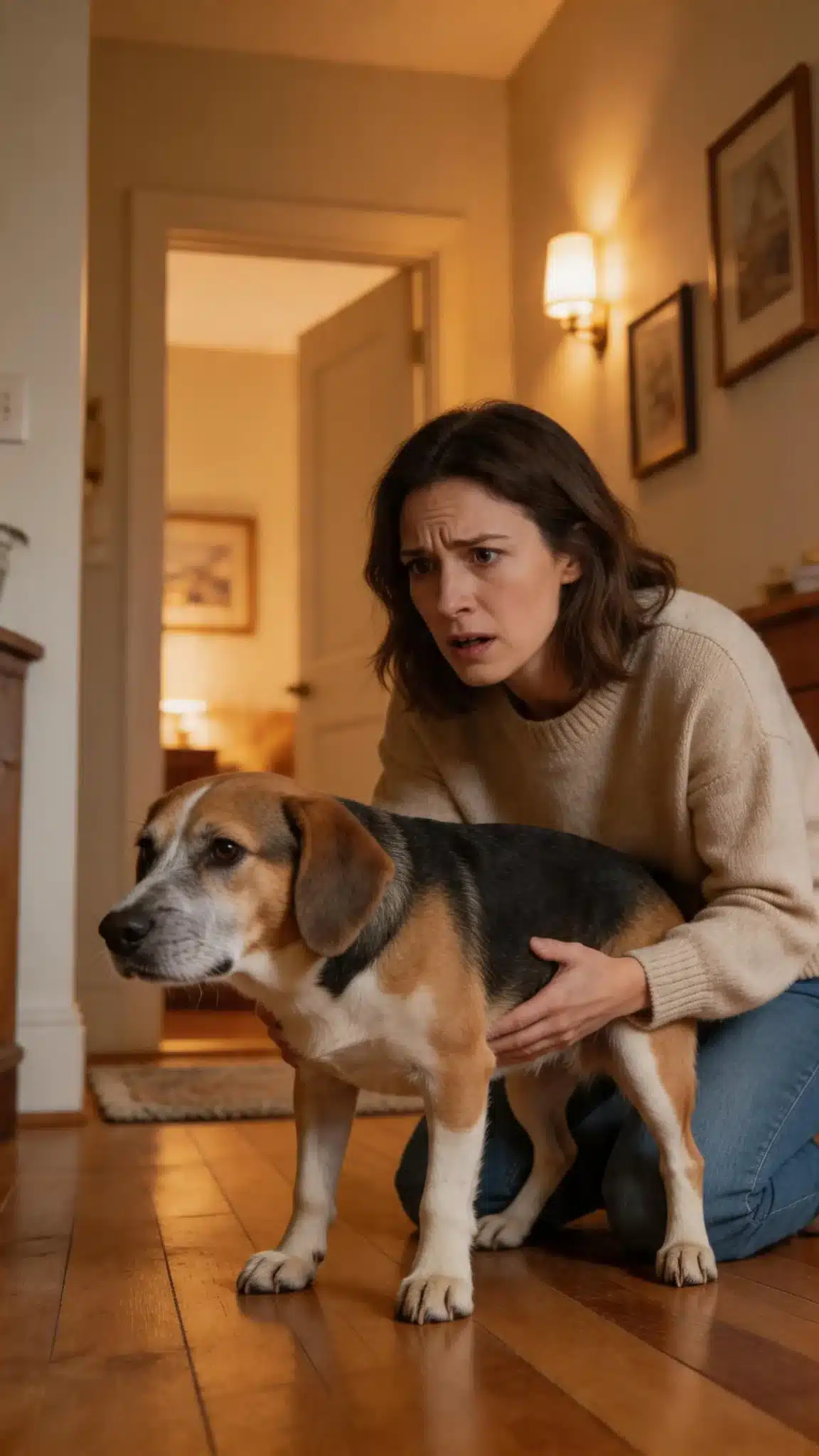
You should worry right away if your dog cannot stand, collapses, cries out, drags a limb, has pale gums, or seems suddenly confused. These signs can point to severe pain, spinal cord injury, a blood clot, toxin exposure, or another emergency.
Sudden severe walking trouble is not a wait-and-see problem.
The Merck Veterinary Manual lists weakness, collapse, and inability to rise among signs that need prompt assessment because causes can include neurologic, orthopedic, cardiac, or metabolic disease. Time matters more when symptoms start suddenly.
- Cannot stand or keeps falling over
- Rear legs suddenly stop working
- Breathing looks hard or fast
- Severe swelling, bleeding, or obvious injury
- Loss of bladder control with back pain
- Pale, blue, or gray gums
Emergency red flags
If your dog drags the back legs or seems paralyzed, go to an emergency clinic now. The same applies if your dog cries in pain when touched or cannot get comfortable.
Large deep-chested dogs with weakness plus a hard swollen belly need urgent help because bloat can reduce blood flow and cause collapse. Dogs with sudden hind-end pain and paralysis can also have fibrocartilaginous embolism or severe disc disease.
Problems that still need a vet, but not an emergency room
If the stiffness is mild, improves within minutes, and has been building over weeks, a regular veterinary appointment is usually appropriate. That visit still matters because early arthritis care often improves comfort and mobility.
If your dog recently had shots and seems a little sore, compare the timing and symptoms with this guide on walking your dog after vaccination. Vaccine soreness should be mild and short-lived, not severe or progressive.
How can I tell if my dog has arthritis or just temporary stiffness?
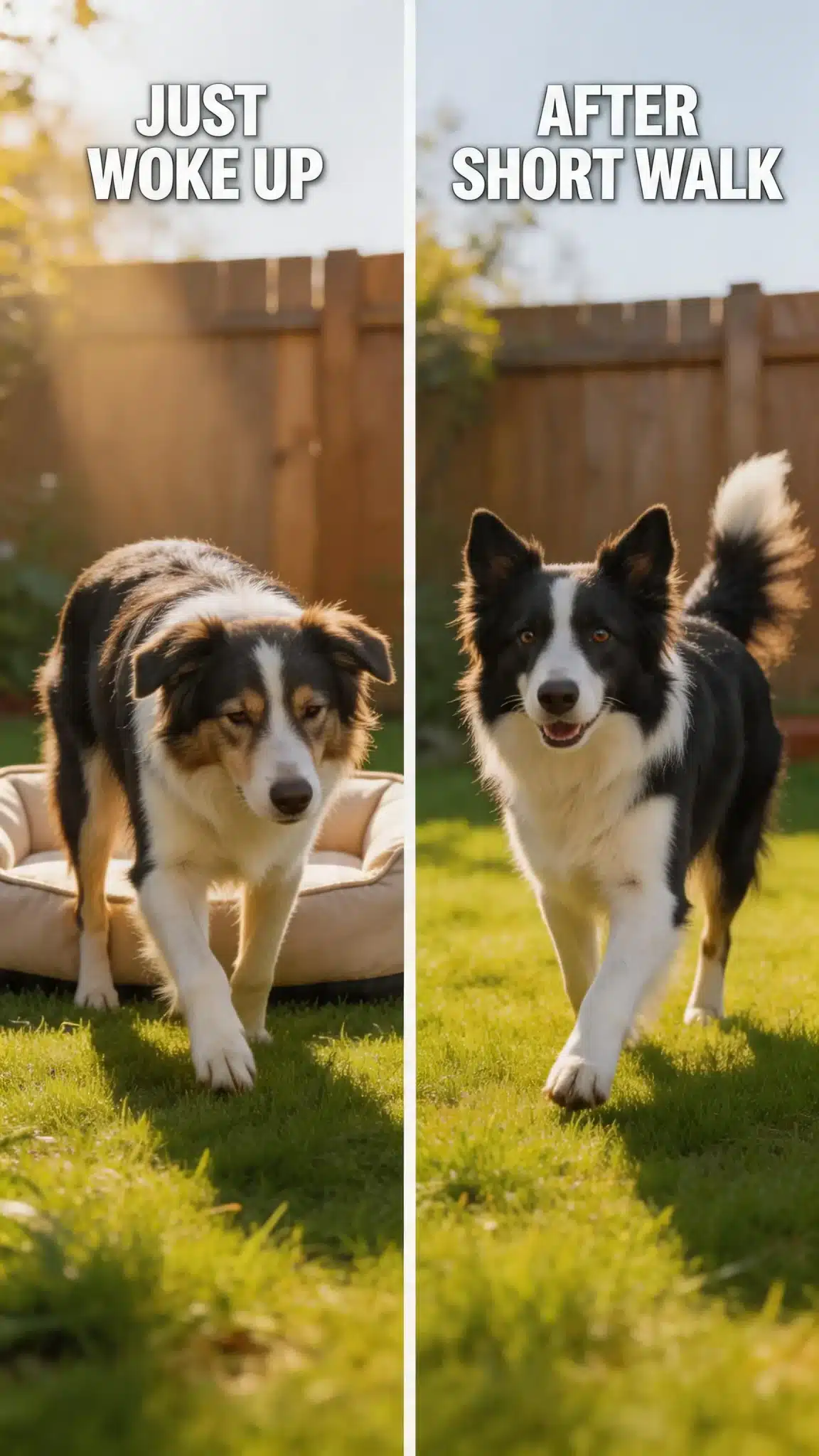
You can tell arthritis from temporary stiffness by watching the pattern over several days. Arthritis usually repeats after rest, improves after gentle movement, and gradually gets more frequent, while temporary stiffness often follows unusual exercise and fades within a day or two.
Veterinarians diagnose arthritis with history, physical exam, and sometimes X-rays. Not every painful joint shows dramatic X-ray changes, which is why your description of daily patterns matters.
- Watch the timing. Note whether the problem is worst after sleep or after hard activity.
- Film the first steps. A short phone video helps your vet see what happens before the dog warms up.
- Check both back and front legs. Subtle weight shifting can hide the true sore limb.
- Feel for changes. Look for swelling, heat, muscle loss, or a painful yelp.
- Track duration. Improvement within minutes suggests stiffness; worsening through the day suggests overuse or injury.
Success looks like a clear pattern you can describe: how often it happens, which leg seems affected, and whether movement helps. A simple home log can make the exam much more useful.
On hardwood or tile, a washable dog ramp for car or furniture can also reduce strain from jumping while you monitor symptoms.
What your vet may do
Your vet may examine gait, spine, hips, knees, paws, and reflexes. Depending on findings, they may suggest X-rays, bloodwork, joint supplements, weight control, rehab, or prescription pain relief.
The 2022 American Animal Hospital Association pain management guidelines emphasize multimodal care. That means the best plan often combines medication, weight control, exercise changes, and physical rehabilitation rather than relying on one fix.
What can I do at home while I wait for the vet?
You can help at home by limiting strain, improving traction, and observing symptoms closely. Do not give human pain medicines unless a veterinarian specifically tells you to, because ibuprofen, naproxen, and acetaminophen can be dangerous or fatal to dogs.
Rest, traction, and careful observation help; human medications can harm.
- Use a leash for bathroom trips
- Block stairs and jumping
- Place rugs on slippery floors
- Check nails, pads, and between toes
- Record a video of the first steps after waking
Simple comfort measures
A firm orthopedic bed can reduce pressure on sore joints, and an orthopedic dog bed is often easier for stiff dogs to rise from than a thin cushion. Keep the sleeping area warm and easy to access.
Short, slow walks are usually better than one long outing for arthritic dogs. If your dog also seems restless overnight, this article on reasons dogs bark at night may help you spot pain-related sleep disruption.
Common mistakes to avoid
- Waiting too long: Ongoing stiffness often means ongoing pain. Book a vet visit if it happens more than once or twice.
- Using human painkillers: They can cause ulcers, kidney failure, or worse. Ask for dog-safe options instead.
- Pushing exercise: Long walks can worsen an injury. Keep activity gentle until your vet checks your dog.
- Ignoring weight gain: Extra body weight adds joint stress. Ask your vet for a calorie target.
If your dog has other health concerns, treat those separately rather than guessing they are connected. For example, digestive infection care is different from mobility care, as covered in should I force feed my dog with parvo.
Which dogs are more likely to have trouble walking after waking up?
Older dogs are most likely to have trouble walking after waking up, but age is not the only factor. Large breeds, overweight dogs, athletic dogs with past injuries, and breeds prone to joint or spine disease also have higher risk.
Obesity is a major driver of joint stress. The Association for Pet Obesity Prevention has repeatedly reported that excess weight is common in pets in the United States, and even modest weight loss can improve mobility in dogs with arthritis.
| Risk factor | Why it matters | Examples |
|---|---|---|
| Older age | More joint wear and muscle loss | Senior dogs of any breed |
| Large size | Higher load on hips, knees, elbows | Labradors, German Shepherds |
| Breed genetics | Higher rates of joint or spine disease | Dachshunds, Bulldogs, Poodles |
| Excess weight | More inflammation and mechanical strain | Any overweight dog |
| Past injury | Can lead to chronic instability or arthritis | Previous cruciate tear or fracture |
Breed comparison can be useful when you are looking at structure and joint loading over time. For a side-by-side example, see Poodle dog vs Airedale Terrier dog.
External Authority Links
For medical background on joint disease, see the American College of Veterinary Surgeons page on osteoarthritis. For broader diagnostic information, the Merck Veterinary Manual is a trusted veterinary reference.
Frequently Asked Questions About Why is my dog having trouble walking after waking up?
Why is my old dog limping after sleeping?
Why your old dog is limping after sleeping is often related to arthritis, muscle loss, or a past injury flaring after rest. If the limping lasts more than a few minutes or keeps returning, schedule a veterinary exam.
Can a dog pull a muscle and be stiff after a nap?
Yes, a dog can pull a muscle and be stiff after a nap, especially after rough play or unusual exercise. Muscle strain should improve over a day or two, not worsen or cause collapse.
Why does my dog walk fine later but not right after waking up?
Why your dog walks fine later but not right after waking up often comes down to joints loosening with movement. That pattern is common with arthritis and other inflammatory joint problems.
Should I massage my dog if he is stiff after sleeping?
You can gently massage your dog if he is stiff after sleeping, but only if touch does not increase pain. Avoid deep pressure, and stop if your dog tenses, pulls away, or cries.
Can slippery floors make my dog seem worse after waking up?
Yes, slippery floors can make your dog seem worse after waking up because weak or painful legs need traction. Rugs, runners, and careful support often make the first steps safer.
Is it normal for a young dog to have trouble walking after sleeping?
It is not normal for a young dog to have repeated trouble walking after sleeping. Young dogs can still have hip dysplasia, injury, panosteitis, or neurologic disease, so repeated stiffness deserves a vet check.
Conclusion
The biggest takeaway is simple: if your dog has trouble walking after waking up more than once, there is probably pain, weakness, or instability worth checking. The most common cause is arthritis, but sudden or severe symptoms can signal something far more urgent.
Today, record a 20-second video of your dog standing up after a nap, check the paws, and call your vet if the pattern keeps happening. Small changes caught early are often much easier to manage than problems left to grow.