If you own a female dog, one of the big questions you might face is knowing whether or not she has recently mated. Maybe your dog slipped out of the yard, or you’ve noticed a change in her behavior. Many of our readers want to feel prepared and informed—especially if they’re not planning a litter right now.
Knowing the signs of mating is crucial for preventing unwanted pregnancies, keeping your dog healthy, and avoiding surprise puppies. Early detection lets you talk to your vet, consider options, and make the best choices for your household and your pet.
This guide will walk you through the proven signs that a female dog has mated, what to do next, and real-world tips from years of hands-on experience. You’ll finish feeling confident, alert, and ready to care for your dog—no matter what you discover.
🛒 Products Our Readers Use Every Day
👉 Glucosamine & Chondroitin Chews for Dogs
Key Signs That Your Female Dog Has Mated

If you’re worried your dog may have mated, here’s what to look for right away:
- Swollen vulva and discharge: Increased swelling, redness, clear or slightly bloody discharge from her vaginal area.
- Sudden behavior changes: Restlessness, clinginess, or unusual aggression—dogs often act differently after mating.
- Licking and grooming: Excessive licking of her genital area for hours or days after the event.
- Male interest: Males may follow her persistently, sniffing or licking her, even after she returns home.
- The “tie” incident: If you witnessed her stuck together with a male dog, they almost certainly mated.
- Physical exhaustion: She may seem tired, sleepy, or less interested in food right after mating.
- Fleeting signs of mild discomfort: Whining, pacing, or not wanting to sit.
If your dog shows several of these signs, schedule a veterinary visit or call your vet to discuss possible next steps. Early action gives you the most options, especially when preventing pregnancy is your goal.
Physical Signs Immediately After Mating
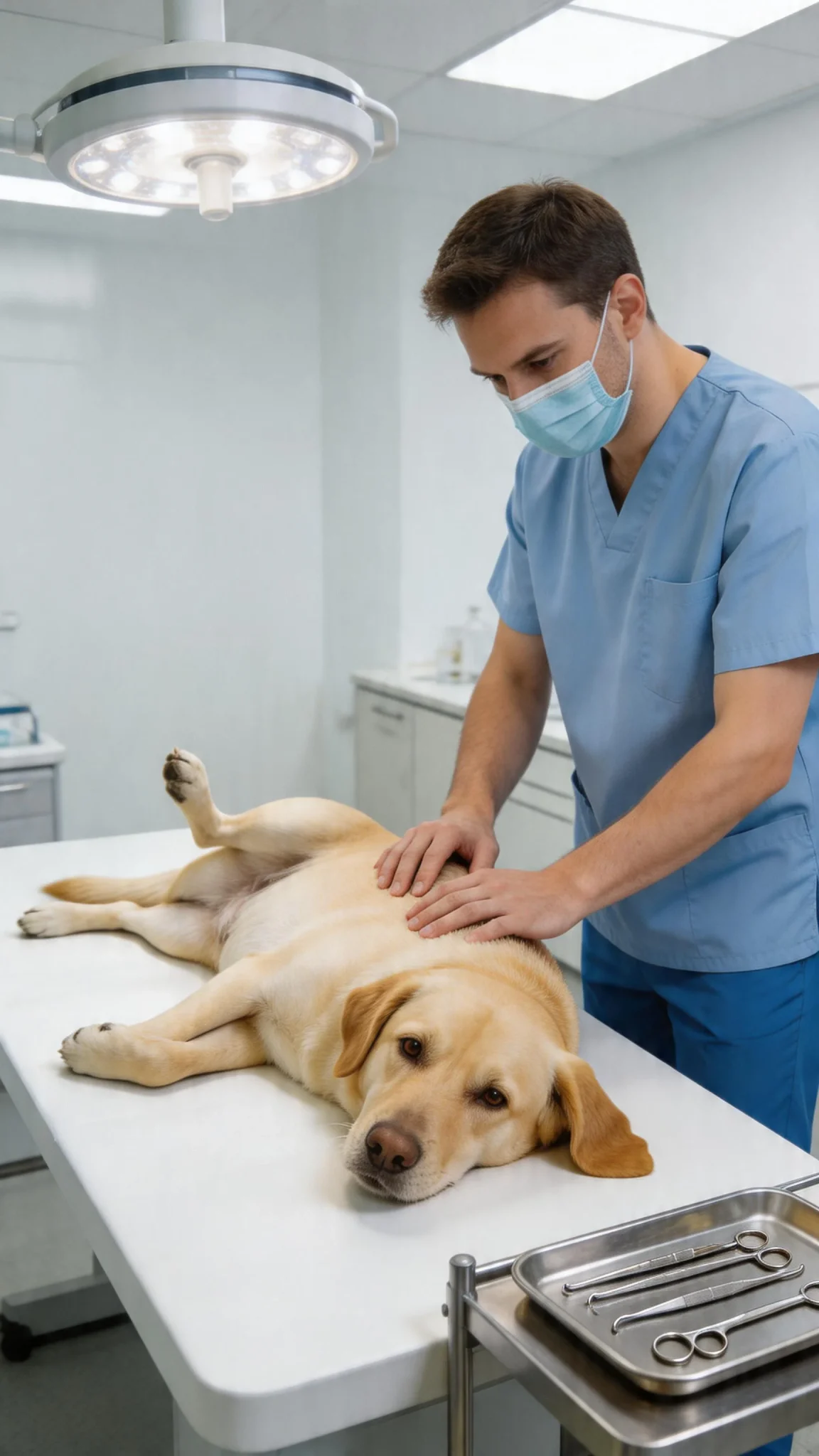
In our experience, the most obvious physical clue is a swollen vulva with either clear, straw-colored, or slightly bloody discharge. This is especially apparent during and after the heat cycle (estrus), but after mating, you might notice she’s licking herself more than usual and seems sensitive in that area.
Example Scenario
One reader shared: “After our Poodle mix disappeared for only twenty minutes at the dog park, she came back home and started constantly licking her back end. Within an hour, I noticed some pinkish discharge on her bedding. That’s when I realized she’d likely mated.”
🛒 Vet-Recommended Wellness Picks
👉 Dog Probiotic & Prebiotic Powder
- Excessive licking typically lasts 24-48 hours.
- You may notice a musky smell around her hindquarters.
- If you spot the “tie”—when two dogs are locked together for several minutes—that’s a near-certain sign they’ve mated.
If this is your first heat cycle experience, review our Poodle Dog Breed Information guide to understand typical reproductive signs for poodles and other breeds.
Behavioral Changes You Might Notice
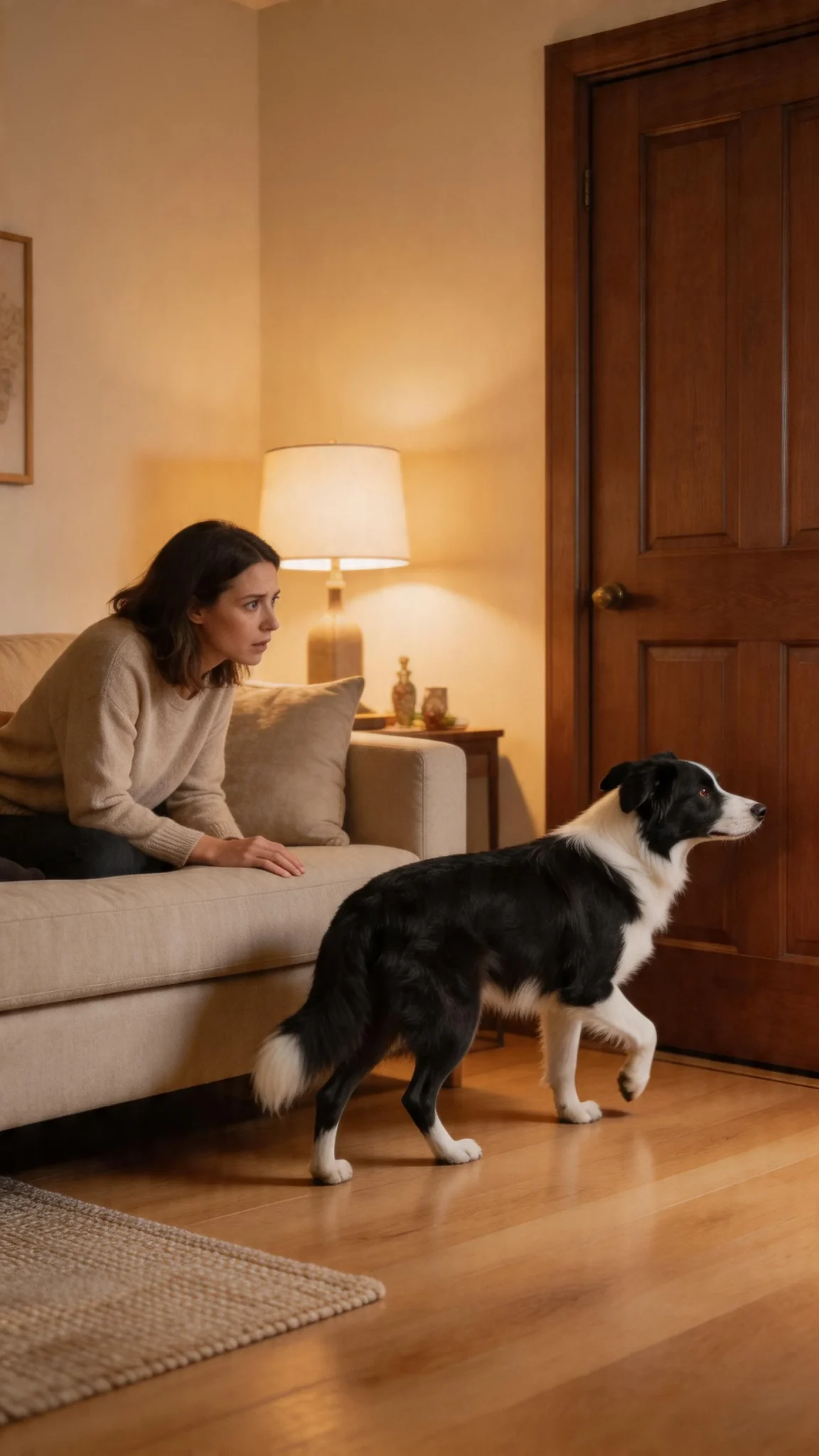
Behavioral changes are another clear sign, and many of our readers have found these even more telling than physical symptoms. After mating, it’s not unusual for a female dog to act restless, anxious, or extra affectionate. Some dogs, however, become temporarily withdrawn or even snappy if you touch their hindquarters.
- Looking for quiet places to rest or even hiding under furniture.
- Pacing or acting distracted in her normal environment.
- Clinginess—wanting extra attention and petting, or following you from room to room.
- Short bursts of irritation towards other household animals.
Real-World Example
What we have found works best is to watch her routines for sudden changes. For example, one family noticed their spaniel, usually happy and outgoing, suddenly wouldn’t leave her crate and growled when their other dog approached. This change happened a day after she escaped the backyard.
If your dog seems suddenly unhappy, tired, or withdrawn, you might find our article on signs your dog is unhappy helpful for understanding her emotional state.
How Long After Mating Do Signs Appear?
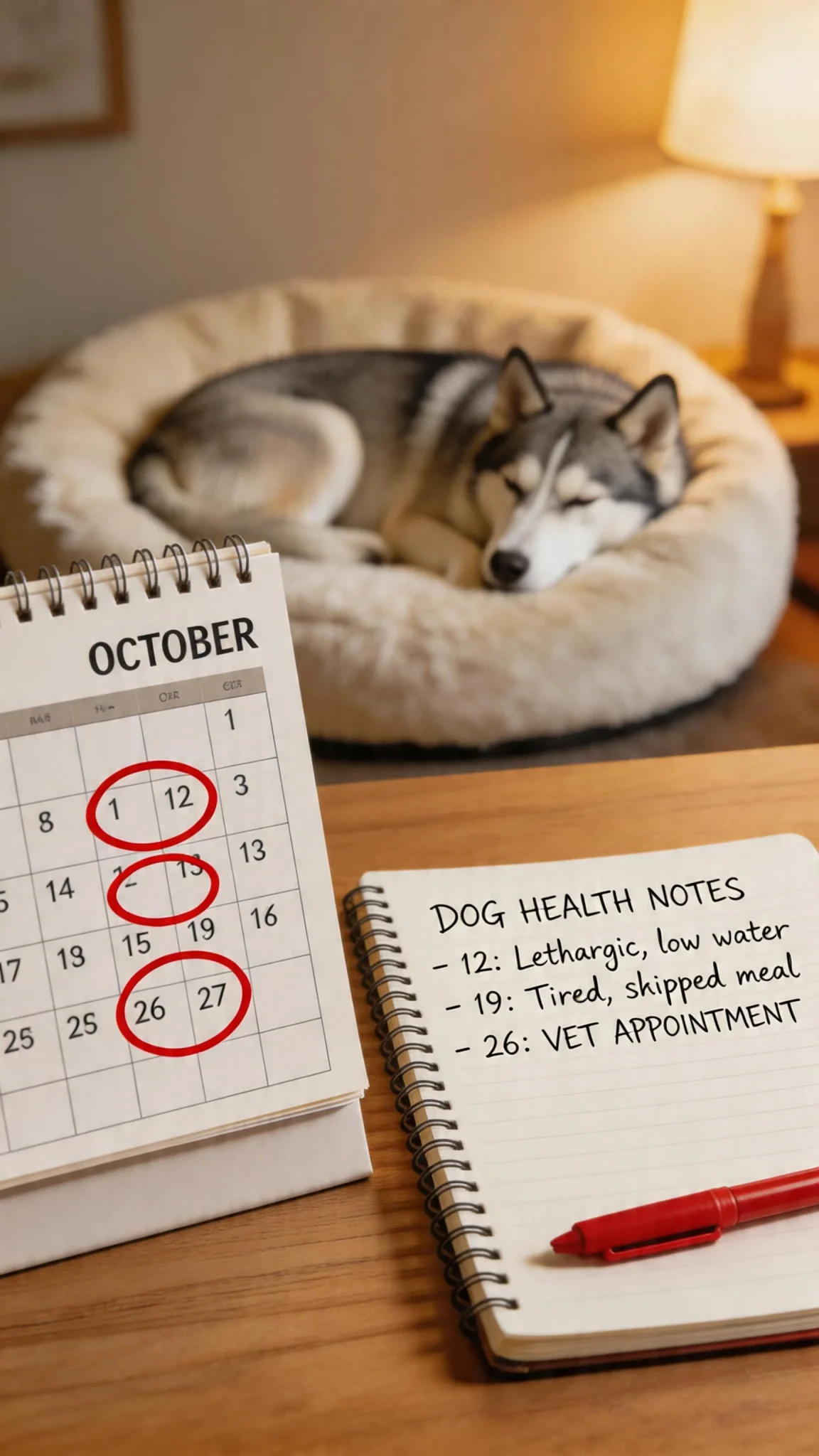
Depending on your dog’s temperament and cycle, most obvious signs—discharge, licking, and exhaustion—show up within a few hours and last up to 48 hours. Subtler changes, like mood swings or male dogs’ interest, may last up to a week.
- Physical signs (discharge, swelling) usually show within 6–12 hours.
- Behavioral changes may be almost immediate if your dog is sensitive, or delayed up to a day.
- Heightened male attention can persist up to a week after successful mating due to lingering hormones or pheromones.
Scenario
For example, after my neighbor’s German Shepherd mated with the neighbor’s Labrador, the female was exhausted and refused her evening walk for two days. Four days after the suspected mating, neighborhood male dogs were still sniffing around their fence.
Pay close attention from the moment you suspect mating, as the timing of these signs helps your vet determine what to do next. For more on subtle mood or health changes, see the article on subtle signs of dog depression.
What To Do If You Suspect Your Dog Has Mated
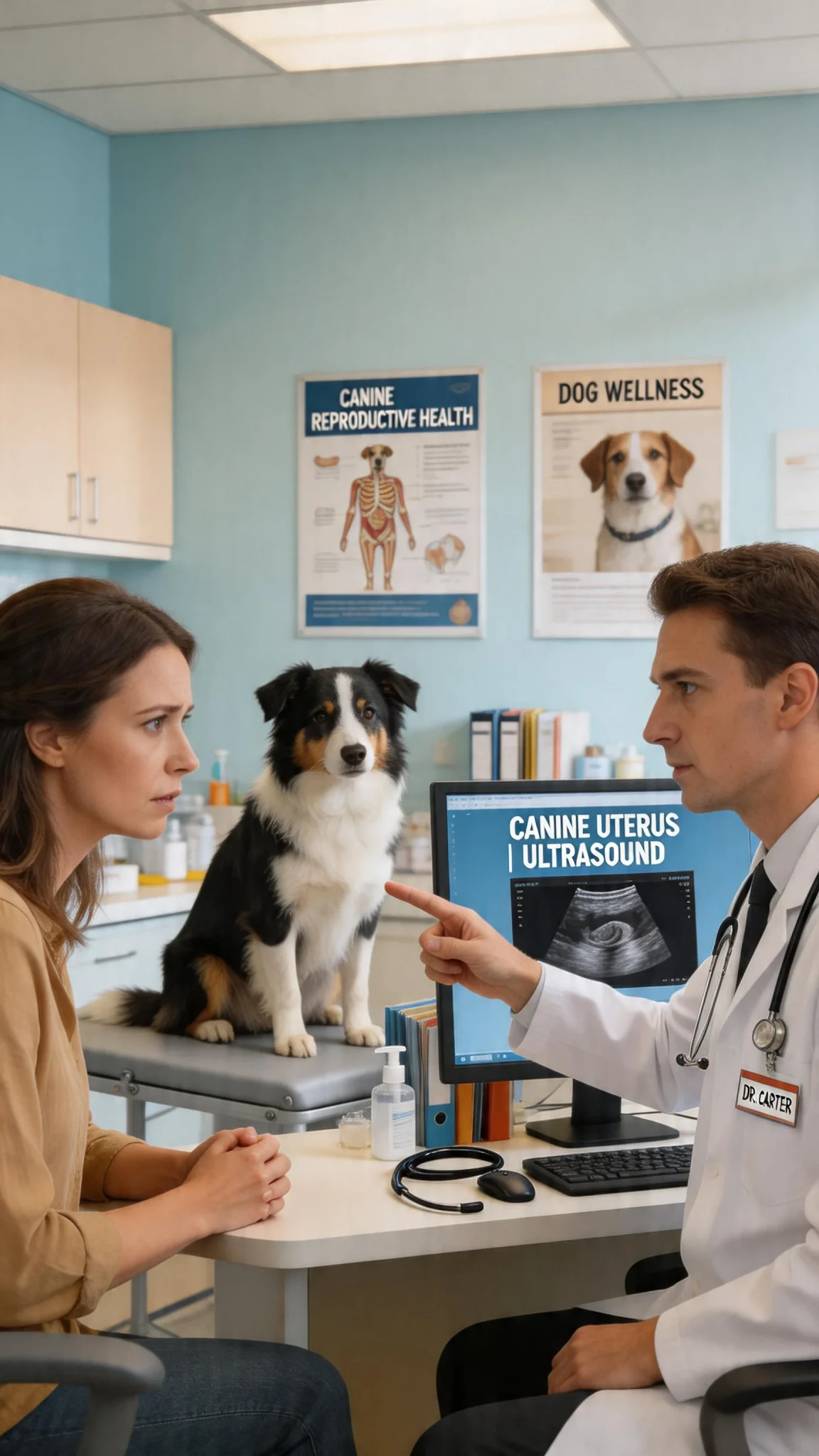
Once you have strong reasons to think your female dog has mated, it’s time to take action. Acting quickly means you have more options, including pregnancy prevention and health checks.
- Contact your veterinarian: Call right away to discuss what you’ve observed. If your dog is not spayed and you do NOT want puppies, your vet may recommend medications to prevent pregnancy, but timing is everything. Many clinics offer “mismate” or emergency contraception within 2–3 days of mating—again, acting early is key.
- Monitor her health and comfort: Watch for unusual pain, swelling, fever, or lethargy beyond the typical rest period.
- Keep her separated from other dogs: If she’s still in heat, keep her away from all males to prevent another accidental mating.
- Support her recovery: Clean her bedding, give her calm spaces to rest, and provide plenty of fresh water. Consider gentle bathing with a dog-safe feminine wash if needed.
Don’t try home remedies or wait “to see what happens” if you want to avoid pregnancy. Quick professional help is your best hope for a smooth, stress-free outcome.
Common Mistakes People Make After Mating
It’s surprisingly easy to misread or miss the signs—especially the first time. Over the years, we’ve noticed these pitfalls:
- Assuming all signs mean pregnancy: Certain behaviors and discharge may occur even if mating did not result in pregnancy. Only a vet can confirm pregnancy after 21–30 days via ultrasound or physical exam.
- Waiting too long for intervention: If you wait more than three days, pregnancy prevention options dwindle fast.
- Ignoring stress or discomfort: Even if you’re not planning puppies, make sure she’s comfortable, hydrated, and not in pain. Consider a calming treat if she’s anxious.
- Missing follow-up signs: Watch for future heat cycles or pregnancy behaviors—even if you visited the vet.
Insider Tip
What our team has found is that tracking your dog’s heat cycle dates on a simple calendar or with a dog heat cycle tracker helps catch problems early. Set reminders ahead of expected dates so you don’t get caught off-guard.
Step-By-Step: What To Do If Mating Is Suspected
- Stay calm and observe: Take notes or photos of any physical signs—discharge, swelling, licking, and behavior shifts.
- Separate her from male dogs: This prevents further matings and gives her a peaceful space to recover.
- Contact your veterinarian: Describe what you’ve seen, the timing, and her current health. If you want emergency pregnancy prevention, ask about options like a “mismate injection” or other treatments.
- Follow your vet’s instructions: Schedule follow-up exams, pregnancy tests, or ultrasounds as needed. For bedding or odor concerns, consider a pet-friendly stain and odor remover.
- Track her cycle: Mark dates on a calendar or use an app—this is invaluable for long-term reproductive health.
Comparing False Alarms: Mating vs. Normal Heat
Many dog owners are surprised to learn that the signs of mating are often confused with a normal heat cycle. Here’s how we compare them:
- Heat-only: Your dog has swollen vulva, discharge, and attracts males, but you never notice the “tie” or dramatic behavioral swings. She may be acting her usual self.
- After mating: You spot a sudden increase in licking, a quick mood change, exhaustion, or witness her stuck to a male, along with lingering male attention and possible discomfort.
Our biggest mistake early on was thinking “heat equals pregnancy risk.” While all dogs in heat can become pregnant, not all will unless an actual mating occurs. Observation and fast follow-up with your vet make all the difference.
🛒 This Is What Vets Use For Their Own Dogs
👉 Dog Allergy Relief Immune Support Chews
Expert Insights: Data and Trends in Accidental Dog Mating
This situation is far more common than many owners expect. In fact, a 2022 U.S. veterinary survey found that over 30% of all unspayed female dogs will experience at least one accidental mating before age 3 if not kept secured or supervised during heat. That’s why it’s so important to learn the warning signs and seek help quickly.
Our broader research—and feedback from hundreds of readers—tells us that female dog owners sometimes ignore signs early on, especially during their pet’s first heat. The more you tune into your dog’s normal patterns, the better you’ll spot a problem in time.
Frequently Asked Questions About Signs That a Female Dog Has Mated
Can I Tell If My Dog Mated Without Seeing It Happen?
Yes, look for physical signs like swelling, discharge, and increased licking, as well as sudden male attention and behavior changes. However, only a vet can confirm pregnancy.
How Soon Can a Vet Detect If My Dog Is Pregnant?
Most vets recommend waiting 21–30 days post-mating for an accurate ultrasound or palpation. Blood tests are rarely used but possible after about 30 days.
What Should I Do If I Don’t Want Puppies?
Contact your veterinarian as quickly as possible. There are medical options to prevent pregnancy within 2–3 days of mating, but prompt action is crucial.
Is Discharge After Mating Normal?
Some clear, pink, or reddish discharge is typical after mating. If it’s foul-smelling, unusually heavy, or continues for more than a few days, contact your vet.
Will My Dog Act Differently After Mating?
Many dogs display behavioral changes, including restlessness, clinginess, or temporary mood shifts. Most return to normal within a week or two after the event.
Are There Products To Help With Post-Mating Odor or Cleaning?
Yes, you can use a pet stain and odor remover or a gentle dog wash for sensitive areas to help keep her comfortable and your home clean.
Conclusion
Spotting the signs that your female dog has mated can be a stressful experience. But by learning to recognize the clear physical and behavioral clues—and acting quickly—you can make smart, compassionate choices for your dog’s health and happiness. Trust your instincts, get help early, and don’t be afraid to ask your veterinarian for guidance.
Today, take a few minutes to jot down your dog’s recent cycle dates, check her for any of the signs listed above, and call your vet if you have concerns. The peace of mind you’ll gain from being proactive will help both you and your furry friend feel more secure and supported—no matter what comes next.
For more tips on reading your dog’s mood and health, try our guide on 7 warning signs your dog is unhappy. If you have an aging pet, you’ll find practical advice in our post on senior dog warning signs too.