Is your Labrador puppy crying or anxious when you leave the room for even a minute? Worrying about your pup’s stress whenever you step out is exhausting. We hear from many puppy parents just how tough it can be to teach a young Lab to stay home alone without barking, chewing, or panicking.
Teaching a Labrador puppy to be alone is not only possible—it’s essential. Labs are famously loving and attached dogs, so learning this skill early helps prevent serious separation anxiety down the road. The good news: with patience and the right step-by-step plan, your puppy can learn to nap calmly or play quietly while you’re gone.
This guide will walk you through exactly how to train your Lab puppy to be alone, what works best in the real world, and how to avoid common mistakes. Let’s help you (and your puppy) gain confidence, independence, and peace of mind.
🛒 Products Our Readers Use Every Day
👉 Glucosamine & Chondroitin Chews for Dogs
How to Help a Labrador Puppy Get Used to Being Alone
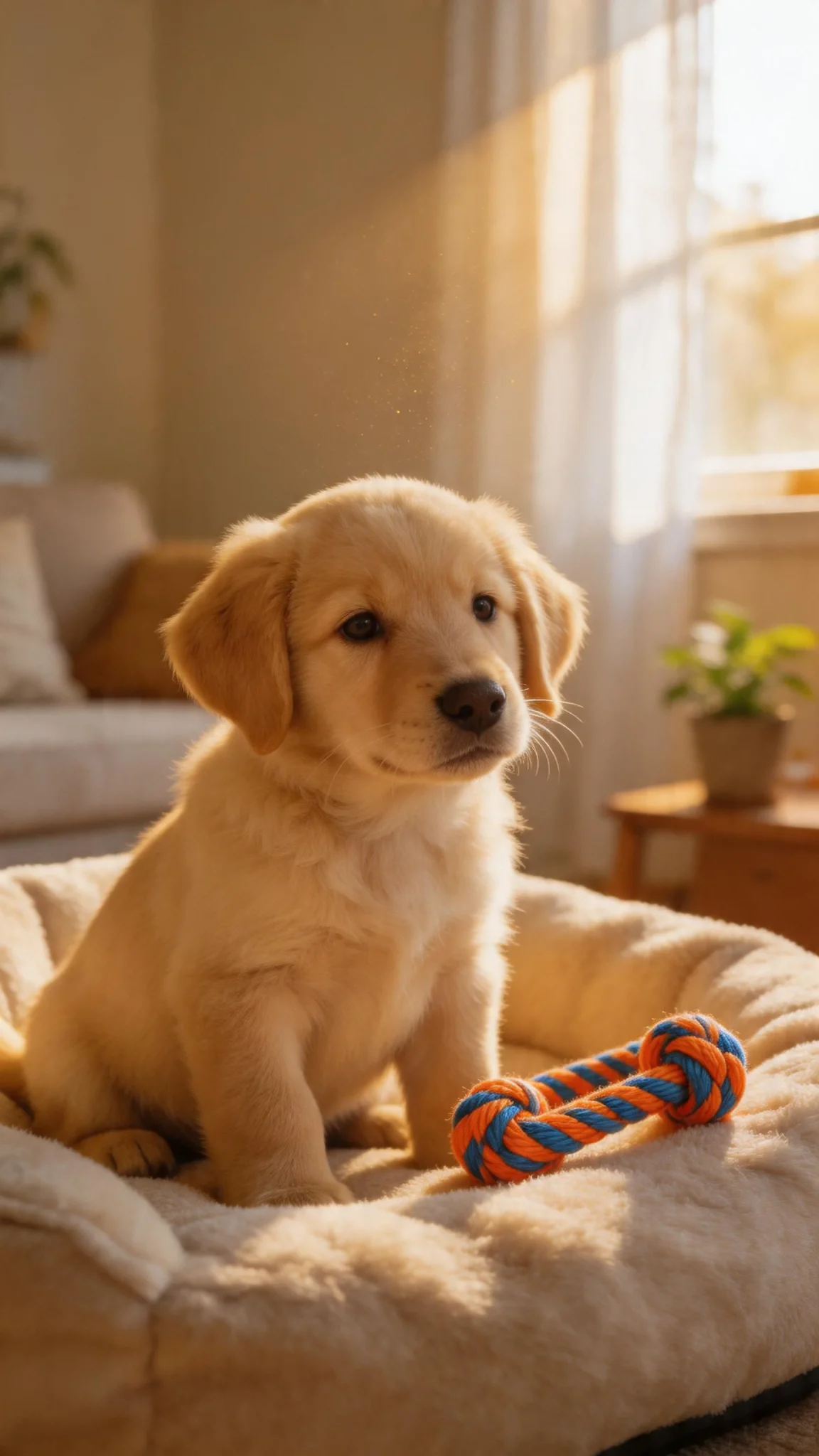
Labrador puppies thrive on company but can learn to be comfortable alone. Here’s how to get started, fast:
- Begin with very short separations—even a few seconds at first.
- Create a safe, puppy-proof space like a crate or cozy pen.
- Use positive reinforcement—reward calm behavior with treats or praise.
- Keep goodbyes and returns low-key to avoid excitement or stress.
- Gradually increase alone time—with patience, not pressure.
- Leave safe chew toys or puzzle feeders (see puzzle toys here) to occupy your puppy.
- Monitor with a pet camera during training if possible for peace of mind.
If your puppy panics, go back to shorter separations and work up again. Every puppy learns at their own pace!
Why Do Labradors Struggle With Being Alone?
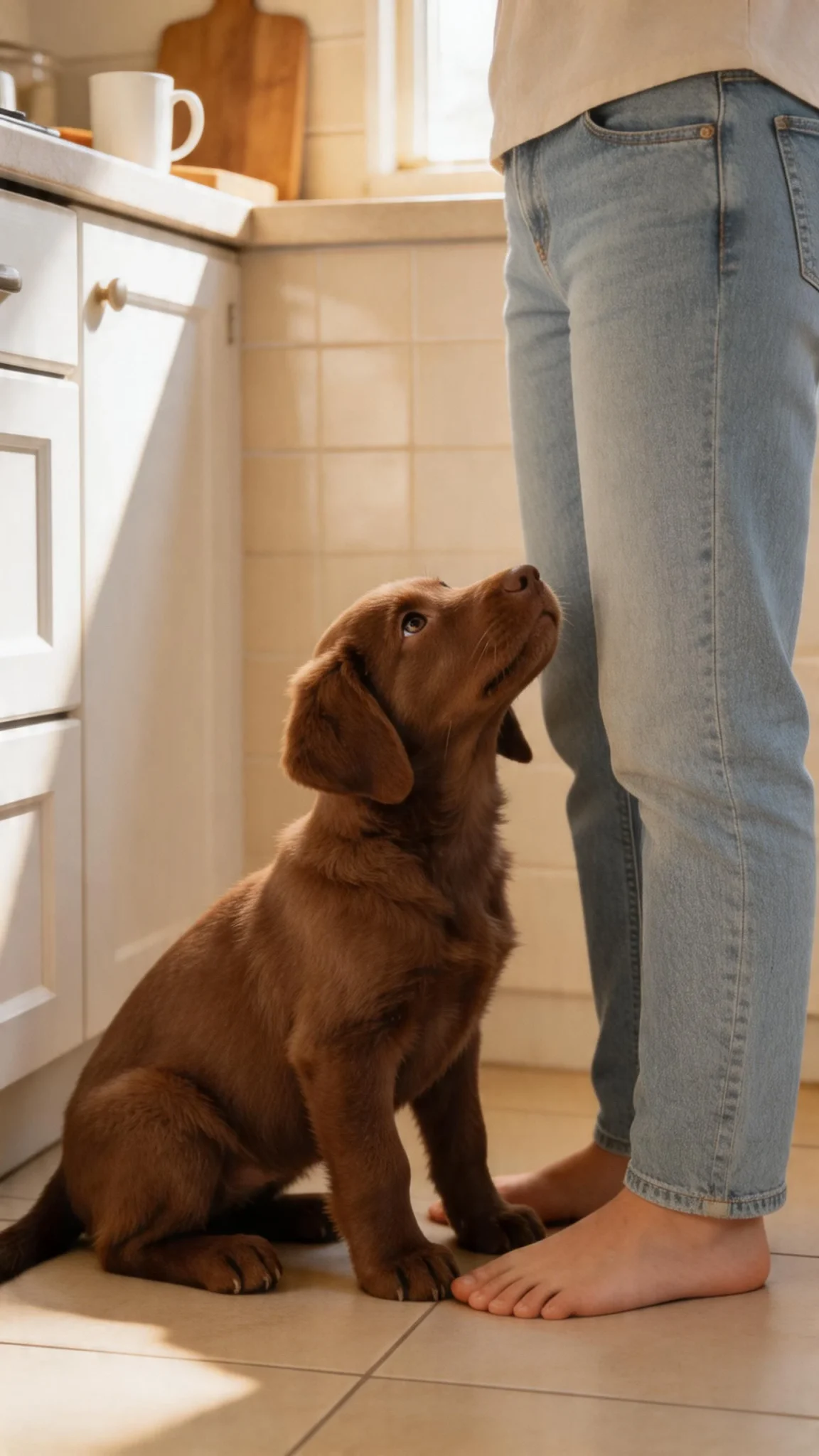
Many Labs become attached shadows—following you everywhere, whining when they can’t see you, or barking the moment you’re gone. In our experience, several factors combine:
- Genetics: Labs were bred to work alongside humans.
- Early habits: Constant company in puppyhood can make sudden absences alarming.
- Natural sensitivity: Labs are social, people-oriented, and often dislike solitude.
Real-World Example: The Clingy Lab Pup
One of our readers, Sarah, noticed her 10-week-old Lab, Daisy, howled any time she walked upstairs. We coached her to step into the hallway and reward Daisy if she stayed calm, gradually going a little further each day. Daisy learned that being alone—even just out of sight—was safe and not scary. The key was frequent, brief absences, not forcing long stretches too soon.
🛒 Vet-Recommended Wellness Picks
👉 Dog Probiotic & Prebiotic Powder
Setting Up a Safe Space for Alone Time
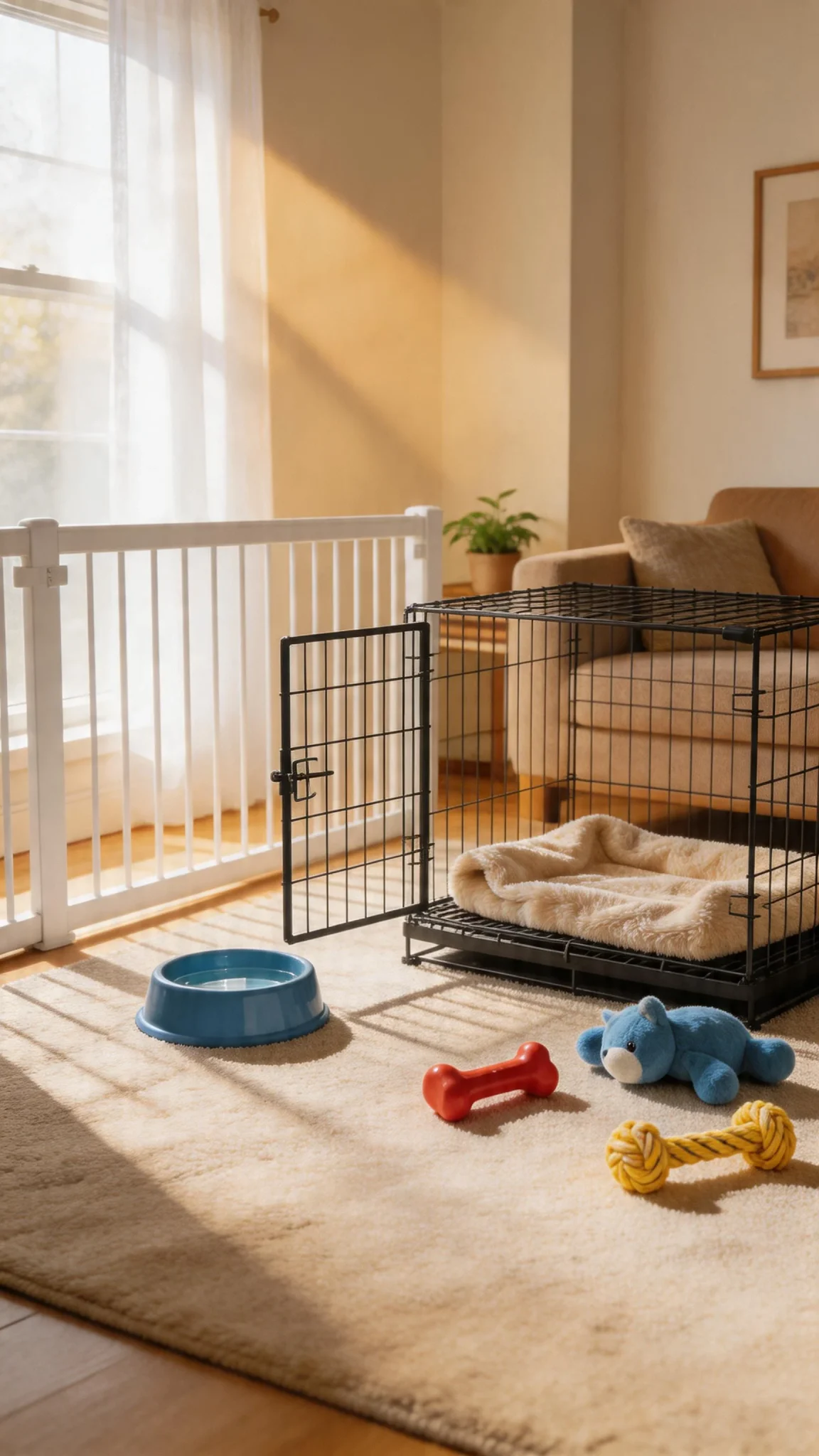
Labs are curious and energetic. Before leaving your puppy alone, create an environment where they feel secure and cannot get into trouble.
- Pick the right spot. Many of our readers use a crate or exercise pen. Make sure it’s away from hazards like electrical cords or houseplants.
- Add cozy bedding (try a machine-washable puppy bed).
- Offer safe toys that can’t be swallowed or destroyed. A KONG for puppies filled with healthy treats works wonders.
- Let in natural light if possible, but avoid direct sun that could overheat the pup.
- Block off dangerous areas—use baby gates for creative puppy-proofing.
Practical Scenario: Puppy Playpen Setup
When training our own Lab, we set up a playpen in the kitchen, near family activity but away from doorways and trash cans. We rotated chew toys and sometimes left an old shirt with our scent. This helped our puppy settle in, feel safe, and avoid the urge to chew shoes or furniture. For those who enjoy crafts, check out our DIY dog hat crochet guide to personalize your puppy’s space!
Essential Alone-Time Training Tools & Tips
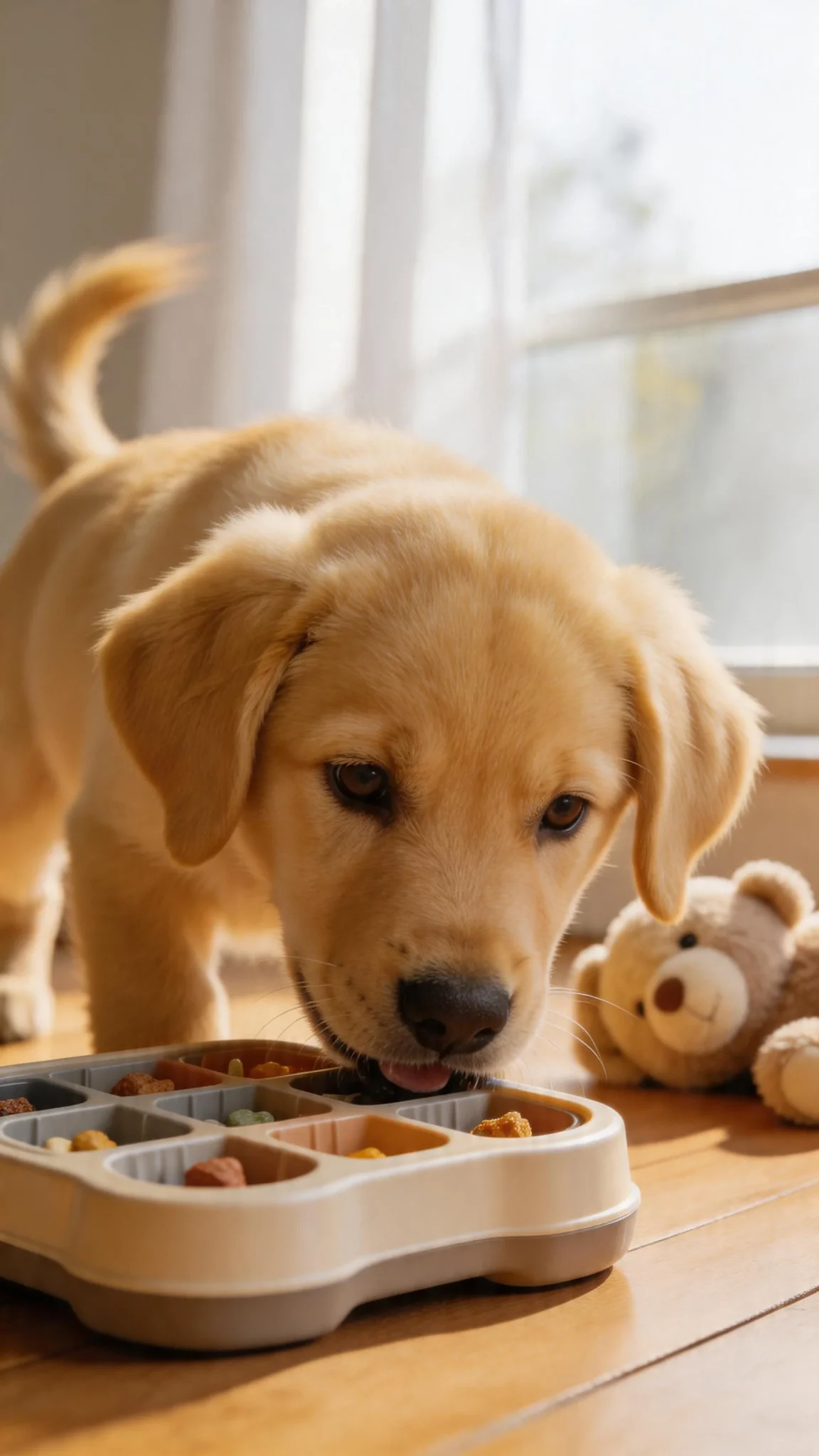
- Interactive puzzles: Keep your puppy busy with treat-dispensing toys (try these options).
- Plush cuddle toys: For comfort, especially if your puppy came from a litter recently. Look for puppy-safe, washable plushies.
- Background noise: A softly playing TV, radio, or even a white noise machine can reduce outside noise triggers.
- Washable puppy pads: In case your puppy needs to relieve itself during longer stretches (see top-rated puppy pads).
- Pet camera: If you’re anxious, monitoring your puppy can ease worry and help you adjust training.
Real-World Tip: Rotate Chew Toys for Interest
We found that rotating a set of 3-4 different toys keeps the puppy interested and less likely to chew furniture. One week, our Lab puppy obsessed over a rubber dental chew, then ignored it until it reappeared a few days later.
Step-By-Step Process to Train a Labrador Puppy to Be Alone
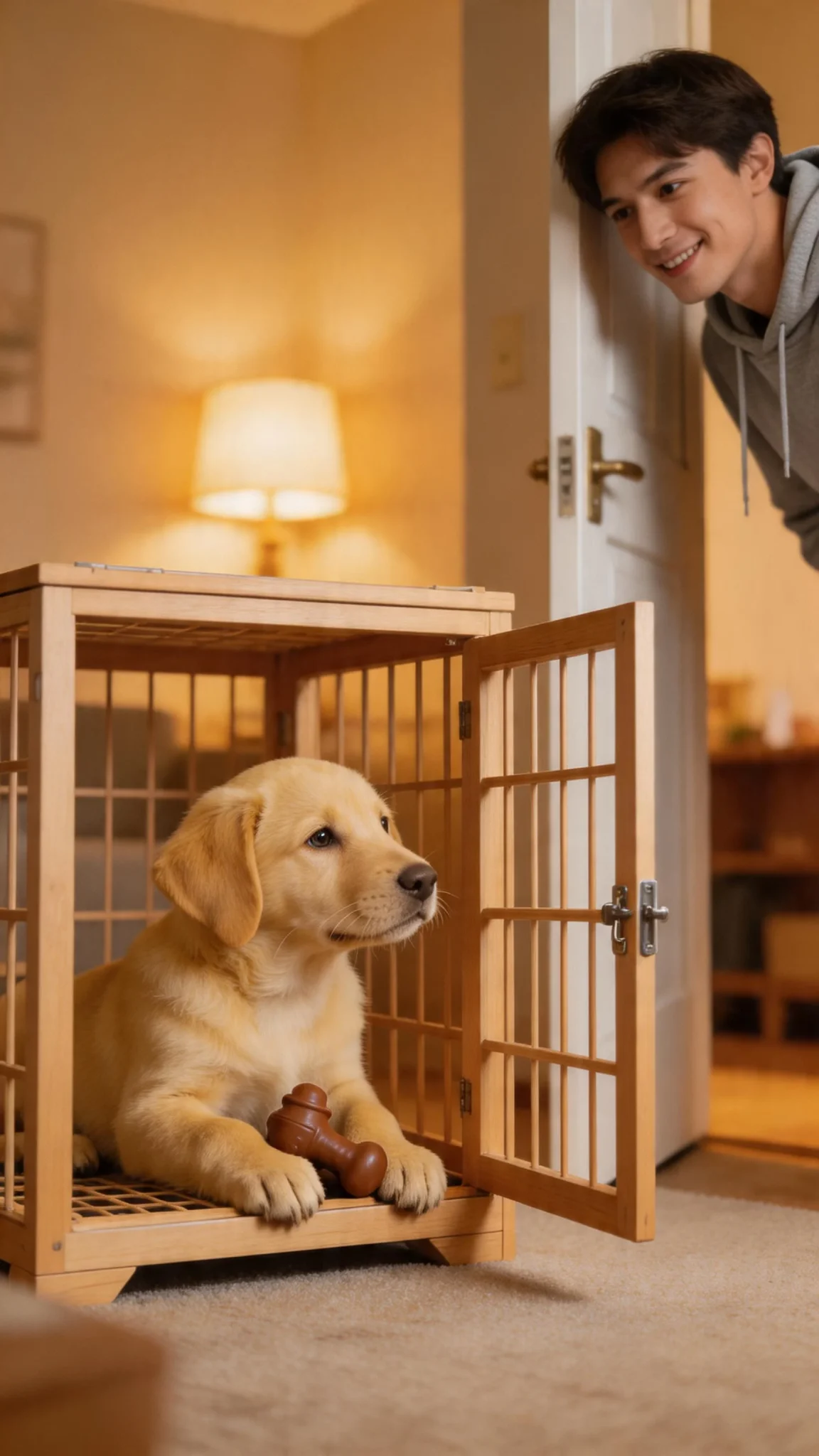
- Start with Seconds: Leave the puppy’s safe space for just 3–5 seconds, return calmly, and praise or quietly give a treat.
- Repeat Several Times: Practice 5–10 short exits per session for 2–3 sessions per day.
- Expand Your Absence: Gradually stretch to 30 seconds, 1 minute, 3 minutes, then 5–10 minutes, watching for signs of stress. If your puppy struggles, go back to the last comfortable time.
- Add Real-Life Departures: Step outside the house for 1–5 minutes, then return. Don’t rush this stage.
- Vary the Routine: Mix up exits—sometimes collect your keys, put on a coat, or use a different door.
- Celebrate Calm: When your puppy stays calm, reward with play, praise, or a special snack.
- Build Up to an Hour or More: For very young puppies under 3 months, 1–2 hours is a good goal. For older puppies (4–6 months), work towards 2–3 hours if needed, with bathroom and play breaks as appropriate.
Scenario: Trouble-Shooting Barking
Many readers tell us their puppy barks or whines the moment the door shuts. In our experience, going back to shorter absences and practicing while your puppy is relaxed—like after a walk or meal—makes a big difference. Puzzle feeders are especially helpful for redirecting that initial energy.
Common Mistakes and What to Avoid
- Leaving too long, too soon: It’s tempting to try for an hour right away, but this can cause lasting stress or set back progress.
- Making goodbyes dramatic: If you fuss over your puppy, it can heighten anxiety. Calm departures and arrivals work best.
- Not puppy-proofing: Labs are strong chewers—don’t leave shoes, cords, or unsafe items in reach.
- Using alone time as punishment: The safe space should never be a “time out”—it needs to feel positive.
Real Scenario: The “Reset” Approach
After a setback with my own Lab puppy—he chewed a rug while I ran upstairs for laundry—I realized we needed a “reset.” I shortened absences to just 10 seconds again, used a kibble-filled toy, and praised every calm success. In three days, we were back to 10–15 minutes of peaceful alone time.
Expert Insights and Proven Strategies
What we have found works best is making alone time a rewarding, safe experience. Most puppies can be trained to enjoy solo naptime by 10–14 weeks if you practice consistently. In surveys, over 70% of Labrador owners reported fewer destructive behaviors when they used food puzzles or left a favorite plush toy during absences.
Another tip: compare your puppy’s progress to their own past record, not to any online timeline. Some Labs gain confidence quickly; others need a slower approach. If separation distress becomes severe or lasts beyond 5–10 minutes regardless of your efforts, consider working with a professional dog trainer or behaviorist.
For more on managing separation issues—especially with sensitive breeds—read our practical guide on helping dogs handle being left alone.
Frequently Asked Questions About Training a Labrador Puppy to Be Alone: Step-by-Step Guide
When Should I Start Alone-Time Training for My Labrador Puppy?
Start as soon as your puppy is settled in at home—usually within the first week. Early, positive experiences with brief absences make later training much easier.
How Long Can a 2-Month-Old Lab Puppy Be Left Alone?
Most 2-month-old puppies can handle 30–60 minutes when properly prepared. Always ensure they’ve gone potty and are safe with appropriate toys. For feeding tips at this age, see our guide: what to feed a 2-month-old puppy.
Is Crate Training Necessary for Alone-Time Success?
No, but crates can help many puppies feel safe and limit accidents or mischief. The main goal is a secure, puppy-proof spot—either a crate or a playpen works well.
My Puppy Barks and Whines Nonstop When Alone—What Can I Do?
Go back to shorter separations and use high-value treats, puzzle feeders, or calming scents. Gradually build up confidence without forcing it. You may also try a calming puppy spray if needed.
Can I Leave Two Labradors Home Alone Together?
Puppies may keep each other company, but each still needs individual training to handle being alone. Don’t depend solely on another dog to solve separation fears.
🛒 This Is What Vets Use For Their Own Dogs
👉 Dog Allergy Relief Immune Support Chews
What If I Work Full-Time?
Arrange for a midday pet sitter, dog walker, or neighbor to help break up the day. Young puppies under 6 months generally shouldn’t be left alone for more than 3–4 hours at a time.
Conclusion
Training your Labrador puppy to be happy alone is a gift for both you and your dog. With the right approach—tiny steps, the right setup, rewarding calm behavior—you’ll prevent unwanted barking, chewing, or anxiety, and give your Lab lifelong confidence.
Ready to start today? Pick a safe area, set a timer, and practice the first 5–10 seconds of alone-time right now. Your puppy might surprise you with how quickly they learn! As you practice and progress, remember: patience, consistency, and a little creativity make all the difference.