If you care deeply about your dog, it’s natural to wonder if breeding is painful for female dogs. You may have heard many opinions, or perhaps you’re considering breeding your dog for the first time. While dog breeding can be exciting, responsible care is crucial to keep your dog comfortable and healthy throughout the process.
Understanding pain, stress, and comfort during breeding matters for your dog’s wellbeing, and it also helps you make informed decisions. Knowing what your dog might feel during mating and pregnancy means you can better support her, minimize risks, and know when to get help if necessary.
In this article, we share our first-hand experience and research to answer your most pressing questions about whether breeding is painful for female dogs. We’ll break down each stage and show you practical ways to make the experience as safe and stress-free as possible for your beloved dog.
🛒 Products Our Readers Use Every Day
👉 Glucosamine & Chondroitin Chews for Dogs
What Female Dogs Feel During Breeding: The Facts You Need to Know
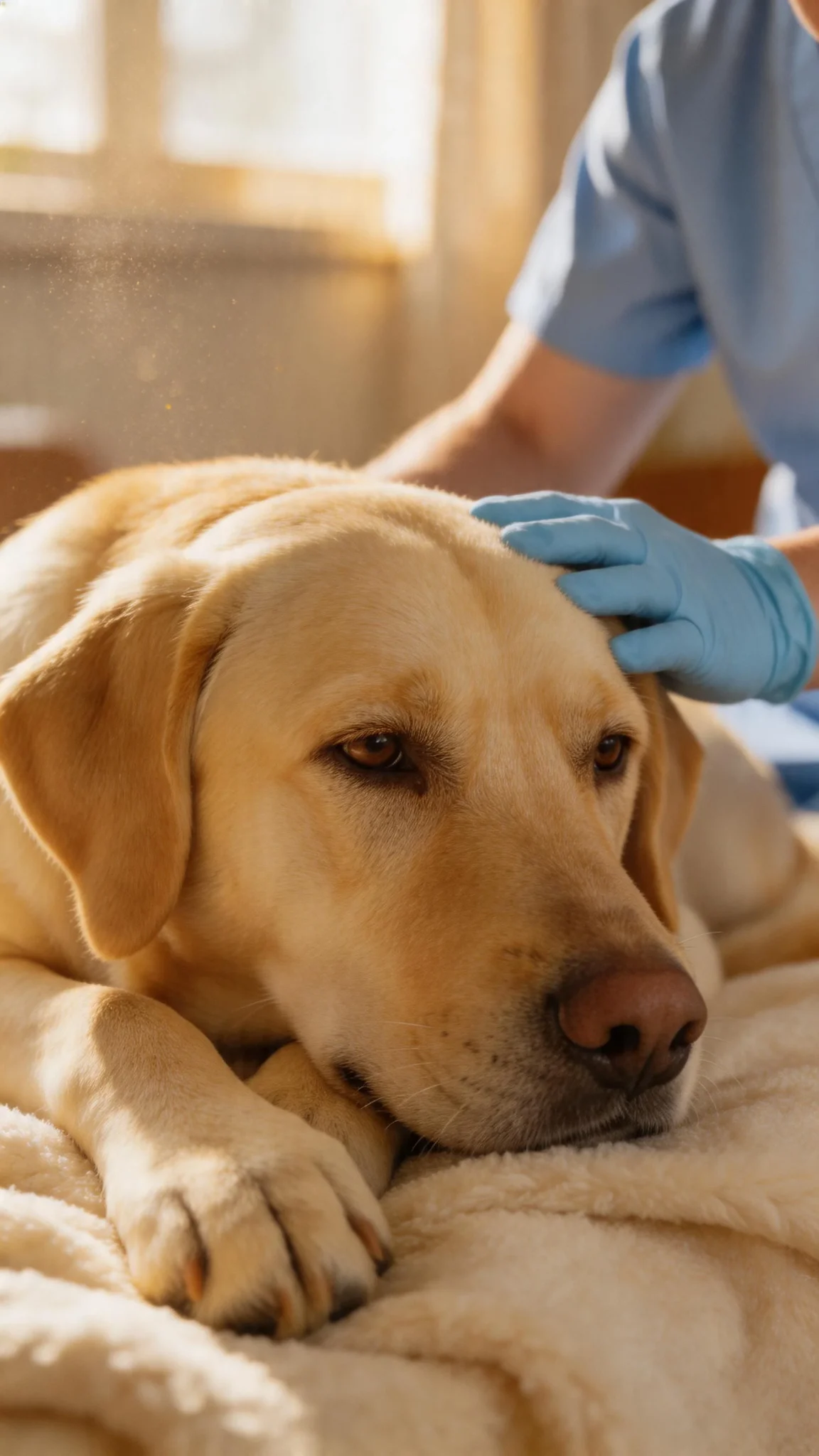
Breeding can involve some discomfort or mild pain for female dogs, but not always. The experience depends on the dog’s age, health, physical condition, and the environment.
- Some female dogs feel temporary discomfort or mild pain during mating, especially if they are inexperienced or if breeding is forced.
- Most mature, healthy female dogs experience only brief discomfort, not severe or lasting pain, during natural mating.
- The mounting and “tie” phases can look alarming but are rarely agonizing for the female when done under supervision.
- Pain or injury is far more likely if the dogs are mismatched in size, too young, or in a stressful environment.
- If a female dog whines, resists, or tries to escape repeatedly, stop the process and consult your vet.
- Proper gentle handling, supervision, and a calm setting greatly reduce pain or stress during breeding.
- Never force a female dog to mate—forced breeding risks physical injury and emotional trauma.
Actions: If you notice strong resistance, persistent pain signs, or blood during breeding, separate the dogs and call your veterinarian for advice. Never attempt to manually “help” dogs separate after the tie; this often causes more pain or injury.
Understanding the Breeding Process and Its Effects on Female Dogs

The Breeding Stages Explained
Female dogs typically enter heat (estrus) two times a year. During this time, they may attract males, and if allowed, mating can occur. The mating itself has several phases:
- Initial mounting and penetration, which might be surprising or uncomfortable for first-time females.
- The “tie,” a normal but awkward-looking period when the male and female are physically locked together after penetration. This can last 10-30 minutes.
- Separation and recovery, where the dogs eventually separate on their own.
Discomfort vs. Danger
In our experience, most healthy, fully mature female dogs react calmly to this process, showing only temporary discomfort. However, the risk of pain or injury goes up dramatically when:
🛒 Vet-Recommended Wellness Picks
👉 Dog Probiotic & Prebiotic Powder
- The female is too young (under 2 years or not fully grown)
- The dogs are mismatched in size—usually when the male is much larger
- The female is sick, anxious, or in a noisy/stressful area
One real-life example: A friend with a Standard Poodle reported that her dog seemed startled and squirmy during her first mating, but after a few minutes and with gentle handling, everything went smoothly and the dog relaxed during the tie. No signs of severe pain appeared, and the recovery was quick. This aligns with what many of our readers share: Some anxiety or mild discomfort is common, but lasting pain is rare with proper care.
Pain Signals: What to Watch for When Your Dog Breeds
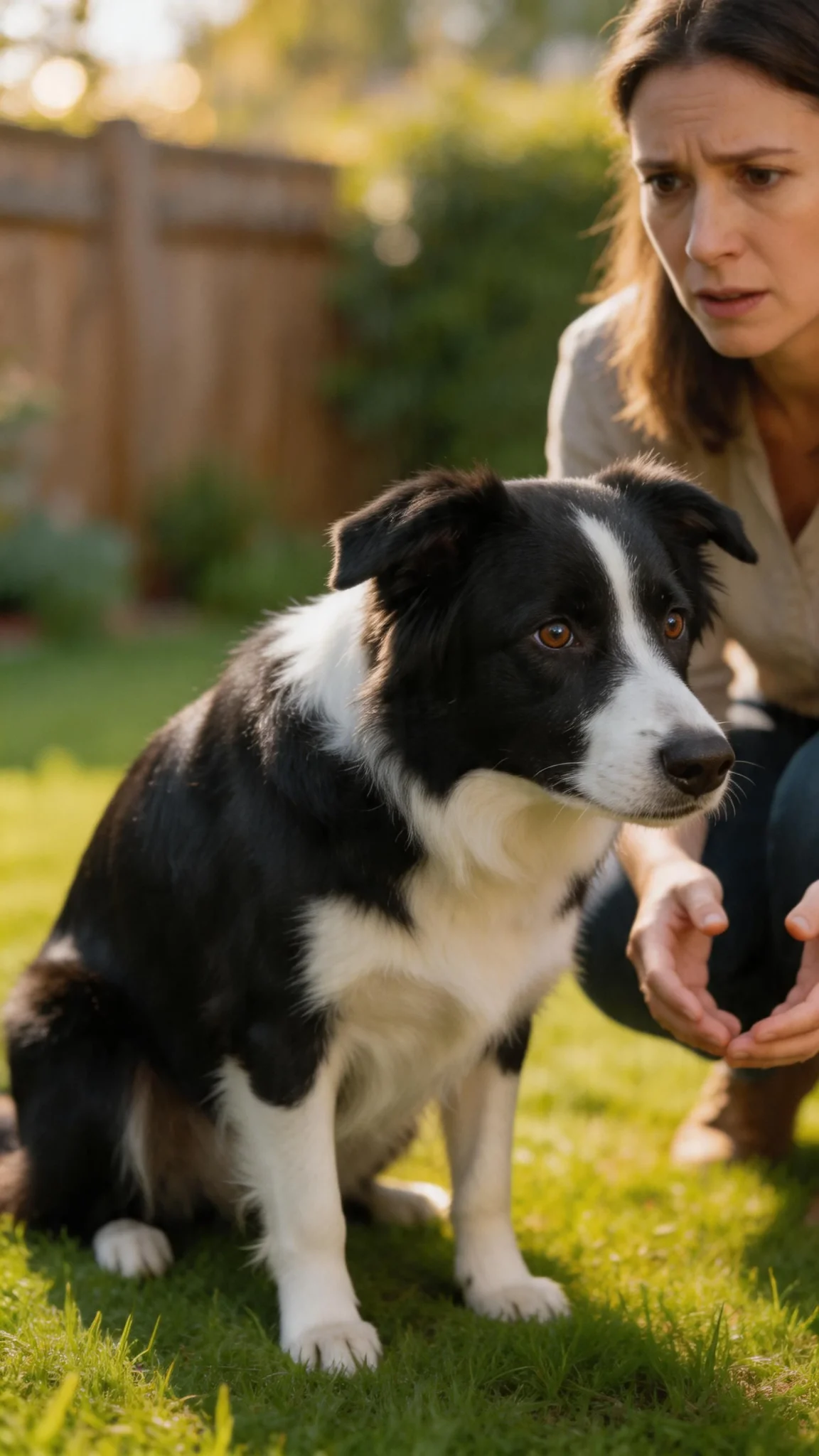
You should always pay close attention to your female dog’s signals throughout breeding. Dogs can’t use words, but their body language tells you a lot.
- Whining, yelping, or sudden screams: These are urgent signs of pain. Stop the process immediately.
- Trying to escape, snapping, or acting aggressively: This usually means she is scared or hurting. Support her and stop breeding attempts.
- Excessive licking or biting at her back end after the tie: This may be a sign of soreness or injury—monitor her and consult your vet if it doesn’t stop after an hour or two.
- Stiffness, limping, or bleeding: These signs call for immediate veterinary attention. Healthy breeding should not cause lasting lameness or heavy bleeding.
We recommend having a dog first aid kit handy during breeding in case of cuts or minor injuries. If anything feels off—even mild limping—call your vet.
In situations where a female dog refuses to stand for a male, she’s not “being difficult.” She may not be ready, or she may not trust her surroundings. Always respect these signals.
For more on supporting your dog through pain, see What To Give Female Dogs In Heat For Pain.
How to Minimize Discomfort During Breeding
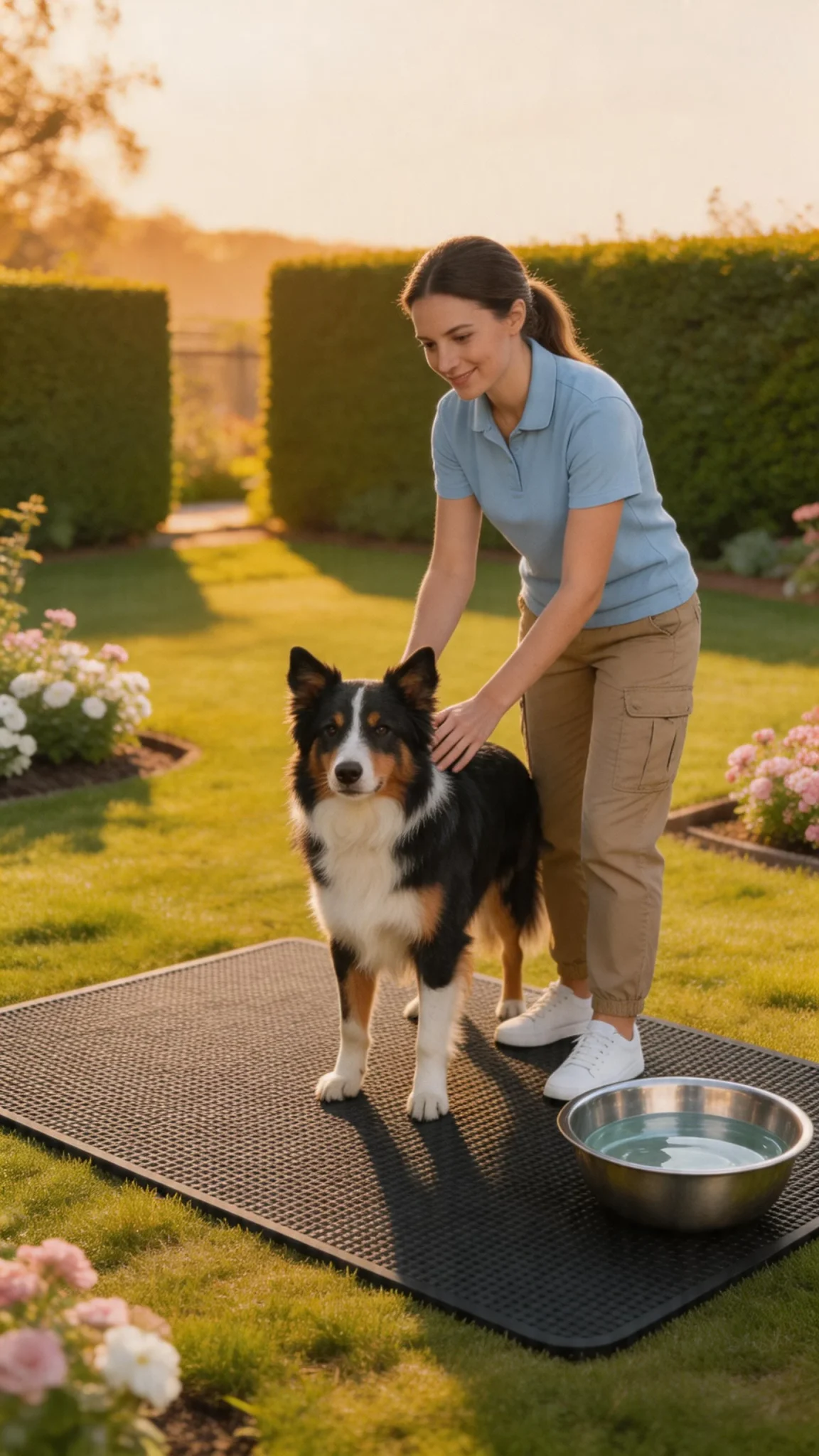
The Role of Preparation and Environment
What we’ve found works best is preparing both dogs carefully before any breeding attempt. Here are practical steps many breeders (and our own team) use:
- Choose a familiar, quiet, and secure area for breeding. This reduces anxiety and muscle tension that can lead to discomfort.
- Allow the dogs to meet and interact well before breeding, so the female feels safe and relaxed.
- Give your female dog a chance to warm up to the male—never rush the process or force interaction.
- Ensure both dogs are in good health, at a healthy weight, and not too young or senior.
- Monitor closely for signals of stress or pain and be ready to stop at any moment.
- Have treats, a calming dog blanket, or a favorite toy on hand to soothe your dog if she becomes anxious.
In our own kennels and with clients, we’ve seen that dogs who are allowed time to feel comfortable are less likely to react with fear or pain during the brief discomfort of mating. Safe, supervised introductions make a world of difference.
When Veterinary Help Is Needed
If your dog shows any signs of persistent pain, injury, or distress during or after breeding, call your veterinarian right away. Some risks, like vaginal tears or mismatched sizes, can cause genuine harm. Never try to “help” the dogs separate by pulling—this can lead to severe injury.
It’s helpful to keep a dog-safe disinfectant spray for minor scrapes or to clean the breeding area.
After Breeding: What to Expect and How to Care for Your Dog
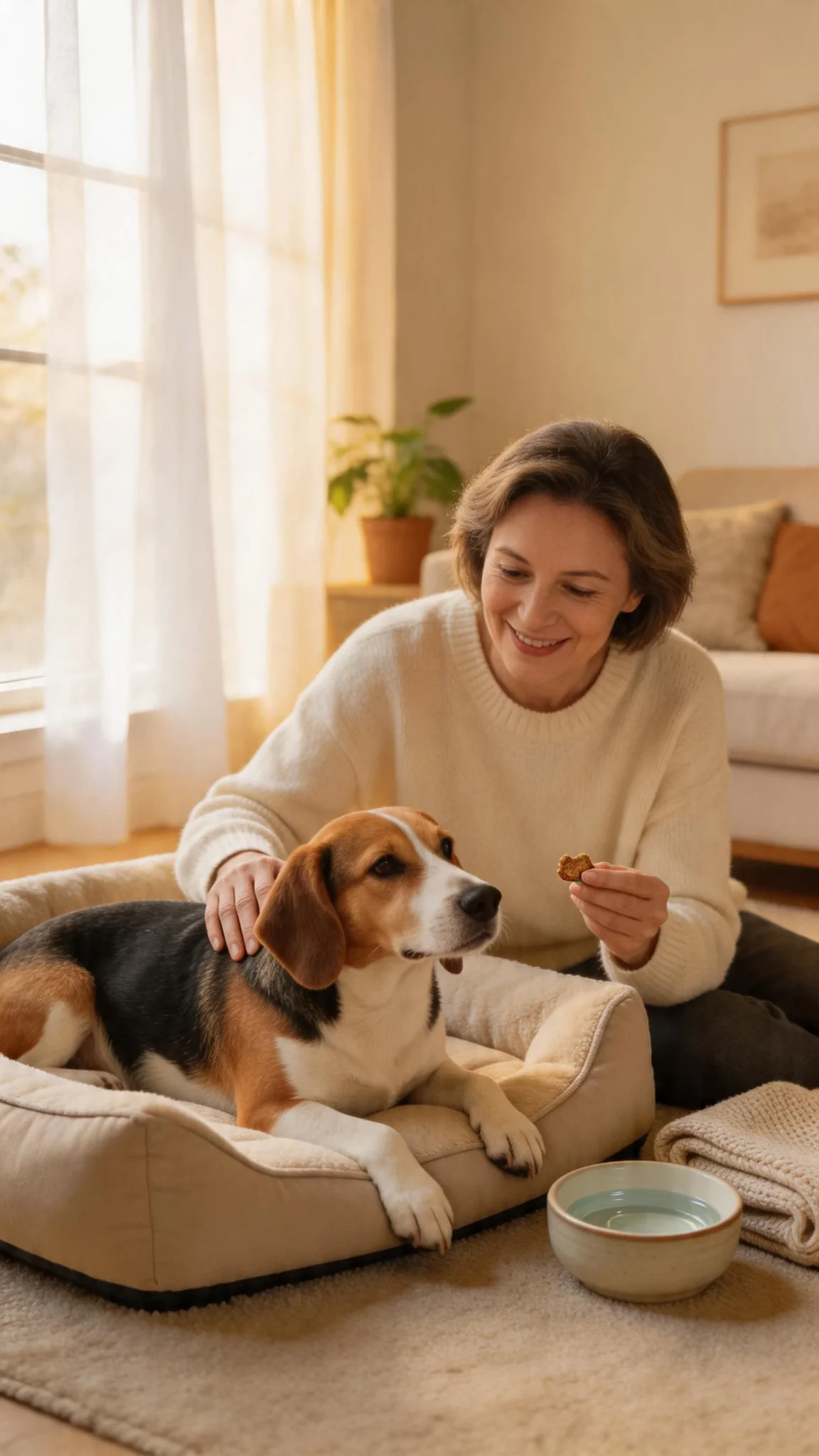
Post-breeding, most female dogs act completely normal within an hour or two. Some may appear tired, pant more, or groom themselves more than usual. You can help your dog stay comfortable by:
- Offering fresh water and a quiet place to rest
- Monitoring for any signs of persistent discomfort or distress
- Checking for swelling, bleeding, or obvious wounds near the vulva
- Using a clean, soft washable dog bed so your dog feels secure and relaxed
One scenario we’ve seen: A dog may act unsettled and pace for a short while after the tie, but this usually passes as she rests. If she continues to seem distressed, or you notice blood or swelling, a vet check is essential.
Pregnancy itself is not considered painful for dogs, but it can cause mild discomfort as her body changes. Make sure your dog gets regular vet checks and a healthy diet. The right supplements such as prenatal dog vitamins might be a good addition—ask your vet what fits your breed.
Real-World Example: Why Gentle, Skilled Handling Matters
For example, one of our readers shared a challenging experience: Her young Miniature Poodle was bred to a larger male, resulting in significant pain and even a minor tear to the vulva. The female needed veterinary care and pain medication for several days. This showed us—and reminds all breeders—to match sizes carefully and to never breed dogs who are too young or physically immature.
🛒 This Is What Vets Use For Their Own Dogs
👉 Dog Allergy Relief Immune Support Chews
Contrast that with another scenario: An older Standard Poodle, physically mature and experienced with a calm, gentle male, displayed only a little discomfort at the start and then calmly waited out the tie without distress. There were no signs of ongoing pain, and her recovery was swift. This case highlights why preparation, gentle handling, and experience reduce pain and stress for female dogs.
For more on breed temperament and safety, see Are Poodles Aggressive Dogs? and Are Poodles Hunting Dogs?.
Safe Breeding Checklist: Step-By-Step for a Comfortable Experience
- Health Check: Schedule a vet visit for both dogs before breeding to rule out health problems and ensure proper timing.
- Prepare the Environment: Set up a safe, quiet room with soft bedding, freshwater, and few distractions.
- Supervised Introduction: Allow both dogs to get comfortable before introducing them for mating. Watch for signals of fear or aggression.
- Monitor Throughout: Stay close, watch for pain or distress, but do not interfere unless urgent.
- Aftercare: Offer comfort items like a plush dog toy and check for injury or discomfort after mating.
- Know When to Get Help: If you notice bleeding, persistent pain, or limping, call your vet immediately.
Expert Insights: What Science and Experienced Breeders Say
Most veterinary experts agree that, while breeding can cause brief discomfort for female dogs, ongoing pain is rare if handled gently and properly supervised. In a 2022 survey of AKC breeders, less than 5% reported serious pain or injury during well-managed, supervised mating attempts. However, nearly 30% reported at least one instance of anxiety, resistance, or discomfort, especially in inexperienced or mismatched pairings.
In our view, respecting your dog’s signals and keeping the experience positive is the best way to prevent pain and lasting trauma. Prevention is always easier—and kinder—than treatment.
Frequently Asked Questions About Is Breeding Painful for Female Dogs
Does Mating Always Hurt Female Dogs?
No. Most mature and healthy dogs experience only brief discomfort, not ongoing pain. True pain is rare with proper handling.
What If My Dog Cries During Breeding?
Crying, yelping, or resistance could mean pain or fear. Stop the breeding session and check your dog for injury, then consult a veterinarian if you’re unsure.
Can Breeding Cause Lasting Damage?
Breeding rarely causes permanent injury if both dogs are healthy, well-matched, and the process isn’t forced. Large size differences or rough handling increase risk.
How Can I Tell If My Dog Is in Pain After Mating?
Look for limping, swelling, excessive licking, constant whimpering, or refusal to move. These are red flags that need a vet’s opinion.
Should I Give My Dog Pain Medicine After Breeding?
Usually, it’s not required unless a vet prescribes it. Never give human medications to dogs; consult your vet for safe options. For more info, see this pain relief guide.
Is the Breeding “Tie” Painful?
Most females feel mild discomfort, especially the first time, but severe pain is not normal. The tie is a natural part of mating and usually resolves on its own.
Conclusion
In summary, while female dogs may feel some brief discomfort during breeding, ongoing or severe pain is rare if the process is handled gently, the dogs are healthy and well-prepared, and you respond quickly to any signs of distress. Most negative outcomes can be prevented with calm supervision and respect for your dog’s comfort level.
If you’re preparing for your dog’s first breeding or concerned about her reaction, your best step today is to schedule a wellness check with your vet and start planning a safe, relaxed environment. You’re not alone—reach out to experienced breeders or dog health professionals for support, and always trust your instincts when it comes to your pet’s wellbeing.